How to clean a wool rug without ruining it
Wool forgives a lot of foot traffic and very little chemistry. The three things that damage it, a two minute test for the dyes, and what to do about the fringe.
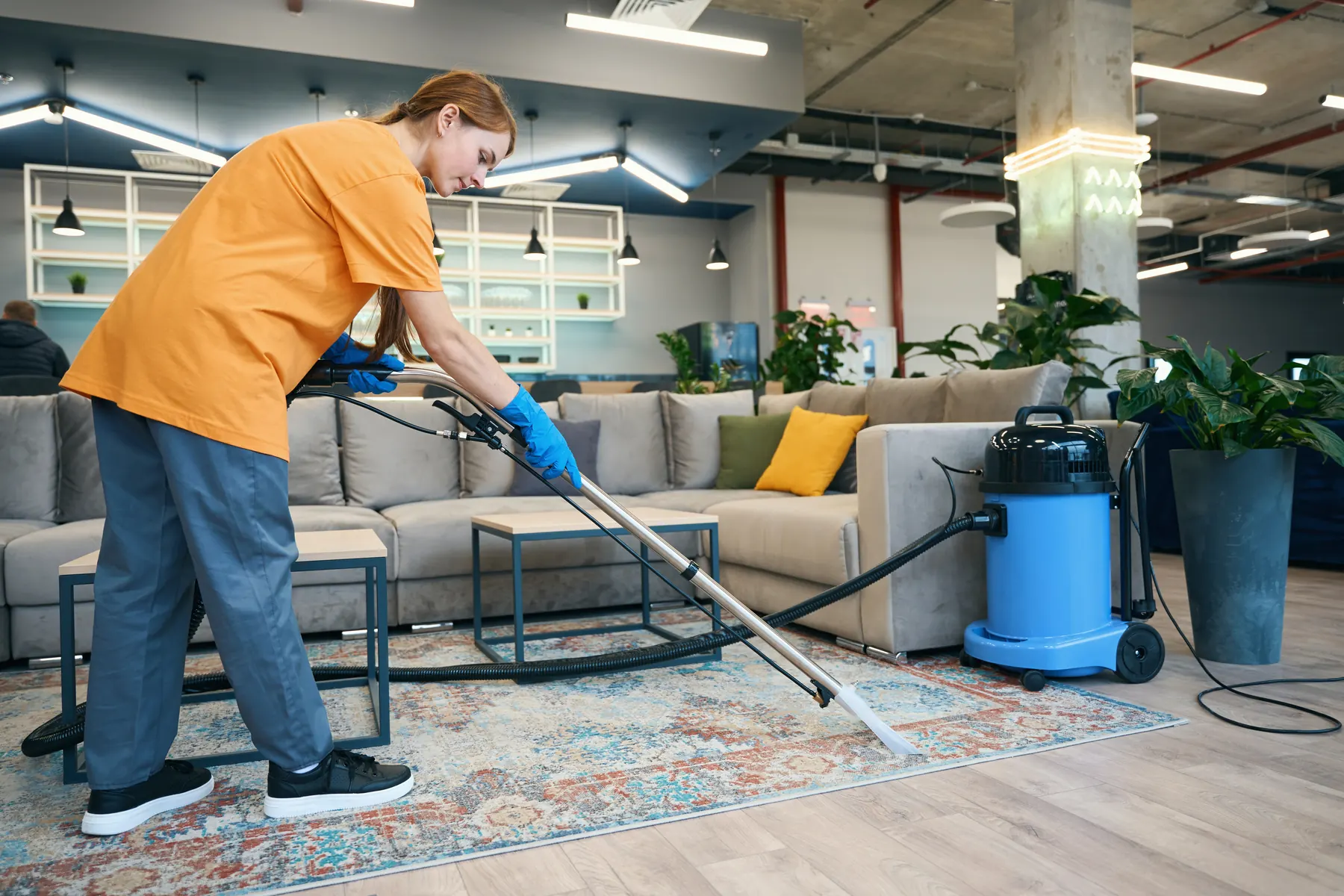
Clean a wool rug with regular suction-only vacuuming, cool water, a neutral detergent made for wool, and as little moisture as you can manage. Blot, never scrub, and dry it fast and flat. Do not use hot water, steam, bleach or strong alkaline cleaners, and test the dyes before any liquid touches the pile.
What wool does not forgive
Wool is a protein fibre, closer to hair than to the nylon in a fitted carpet. That is why it feels the way it does, and why it reacts badly to three things.
Heat. Hot water and steam, together with moisture and movement, make wool fibres lock together and shrink. The pile felts, the rug can pucker or change shape, and dyes loosen. A home steam cleaner on a wool rug is the most common way a good rug gets spoiled.
High pH. Many supermarket carpet shampoos and stain removers are strongly alkaline, because that works well on synthetic carpet. On wool, alkalinity roughens the fibre, dulls it, can yellow it, and makes unstable dyes run. Bleach and ammonia are worse, and oxygen-based stain powders are no friend to wool either. Look for a neutral detergent that says it is safe for wool.
Over-wetting. Wool holds a great deal of water and lets go of it slowly. A rug that stays wet for a day or more can smell, the cotton foundation and fringe can brown, colours can migrate from one area into the next, and mildew can start in the back. It also weighs enough when soaked to distort if it is hung up.
Do the dye test first
It takes two minutes and saves the rug.
- Dampen a clean white cloth with cool water and a drop of the detergent you intend to use.
- Press it firmly onto one colour for about a minute. Start with the reds, then dark blues and blacks, which are the usual offenders.
- Lift and look at the cloth.
- Repeat for each colour, and once on the back of the rug.
Any colour on the cloth means the dyes are not stable in water. Do not wet clean that rug at home. Vacuum it, blot spills with a dry cloth, and leave the rest to someone with the means to control it. Hand-knotted rugs and older pieces with natural dyes fail this test more often than new machine-made ones.
Routine care, and what to do with a spill
Vacuum weekly, suction only. Turn the beater bar off, or raise it clear, and vacuum in the direction of the pile. A rotating brush pulls fibres out and chews edges. Every couple of months, turn the rug over and vacuum the back, which shakes grit out of the base of the pile.
For a spill: blot at once with a dry white cloth, pressing down, from the outside in. Then use a cloth dampened, not wet, with cool water and a little wool-safe detergent, and dab. Follow with a cloth dampened in plain water to rinse, and blot dry. Put a folded dry towel under the spot if you can reach, and another on top with a weight on it for an hour. Then raise that part of the rug so air gets underneath, and run a fan across it.
Road salt at the door is a common winter case. The method is in how to get salt stains out of carpet, with the caution that wool gets less solution and cooler water.
The fringe. On a hand-knotted rug the fringe is not trim. It is the ends of the warp threads the whole rug is built on, and it is usually cotton, not wool. That matters in two ways.
Cotton browns and greys when it is wetted and dried slowly, so fringe often looks worse after a careless clean than before. And a vacuum will catch it, wrap it round the brush and tear it, which starts the end of the rug unravelling. Vacuum up to the fringe, not over it. Comb it straight with your fingers.
Do not bleach it white. Bleach weakens cotton, and brittle fringe breaks off at the knot. Fringe that is clean and slightly off-white is in better shape than fringe that is bright and rotting.
When to hand it over
Call a professional when the rug fails the dye test, when it is hand-knotted, antique or worth more than you would care to risk, when there is pet urine in it, when the soil is general and not a single spot, or when it is simply too large to dry properly on your floor. A full clean needs the rug dusted to remove dry grit first, washed at a controlled temperature and pH, rinsed, and dried quickly on both sides. That is hard to do in a living room.
The honest limits apply here too. Dye that has already run, sun fading, moth damage and wear down to the foundation are not soil, and cleaning does not reverse them.
AllCleaner's area rug cleaning is quoted per rug, with temperature and pH matched to the fibre the rug is made of. It pairs well with carpet cleaning on the same visit. Call 647-697-7435.

Short answers.
- Can you steam clean a wool rug?
- Not with a home steam cleaner or very hot water. Heat, combined with moisture and agitation, can shrink wool, felt the pile and make dyes run. Wool can be wet cleaned by a professional using controlled temperature, a wool-safe solution and fast drying, which is a different process.
- What should you not use on a wool rug?
- Avoid bleach, ammonia, oxygen-based stain powders, and strong alkaline cleaners such as many general-purpose carpet shampoos. Avoid hot water and stiff brushes. Use cool water and a neutral detergent labelled as safe for wool, in small amounts, and always test the dyes first.
- How do you test a rug for dye bleed?
- Dampen a clean white cloth with cool water and a drop of the detergent you plan to use. Press it firmly on each colour of the rug for about a minute, starting with the reds and dark blues. If any colour transfers to the cloth, do not wet clean the rug at home.






