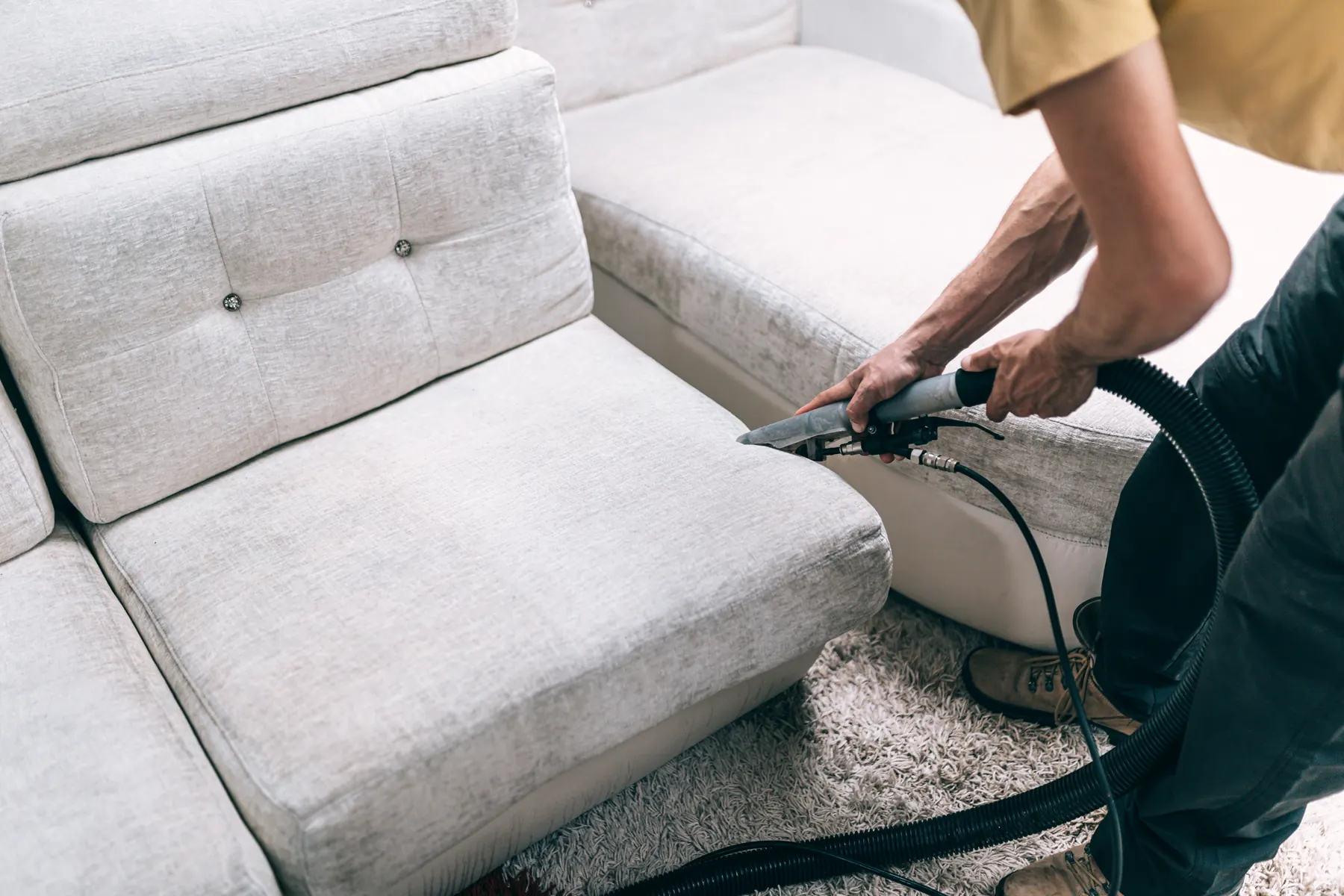
Area rug cleaning
A rug is an object, not a floor.
Area rug cleaning in Toronto and the GTA. Wool, cotton, silk and viscose each want a different pH and a different temperature, and we work that out before any water goes on.
Quoted per rug
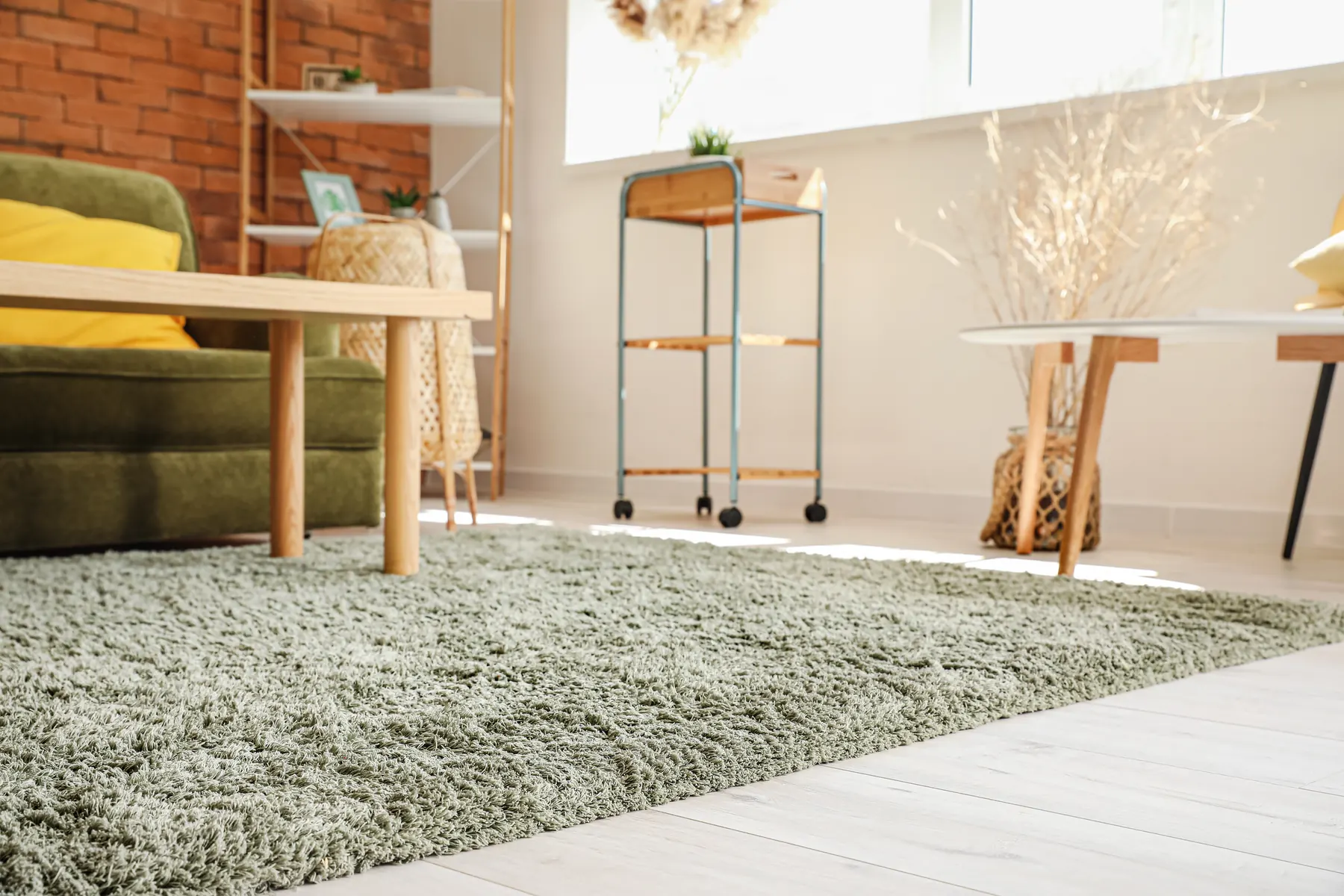
A rug is not fitted carpet
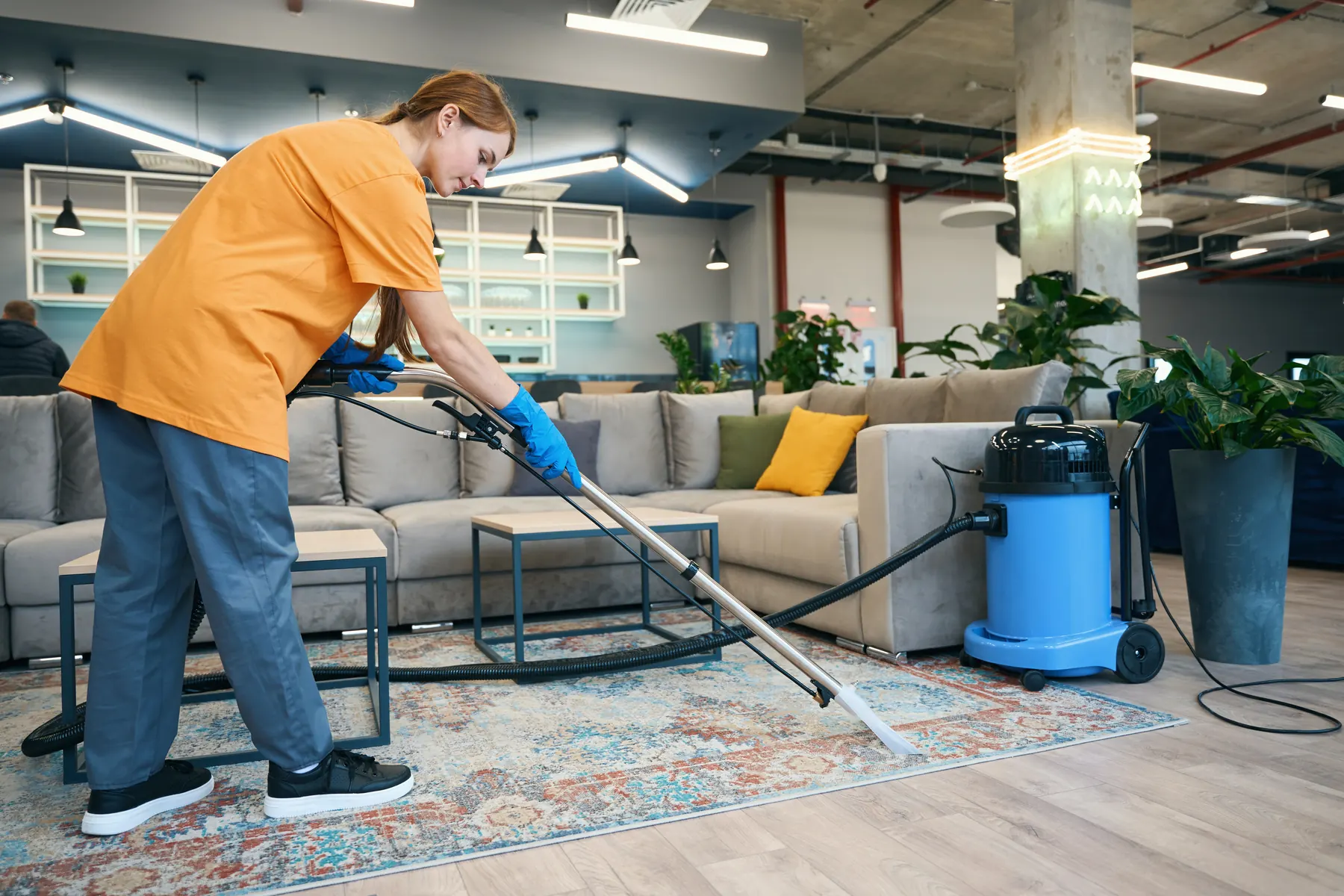
Fitted carpet is a surface. A rug is an object. It has a face, a foundation holding that face together, and often fringes that are the ends of the warp. Each part can react differently to water, and the part underneath is the one nobody checks. Two rugs in the same room can need two different methods.
Most fitted carpet in Toronto is nylon or polypropylene, and it is hard to damage. Most area rugs are not. Wool, cotton, jute, silk and viscose behave like natural materials because that is what they are. They swell, they shrink, they hold their dye loosely, and they have a pH they tolerate. Wool wants a mildly acidic solution and moderate heat. A high pH strips the lanolin out of the fibre, and the rug comes back dry, fuzzy and dull. Nothing puts that back.
Dyes move, and viscose is wood pulp
On a hand knotted rug, dye can move. We test a corner first with a white cloth and a little solution, and watch for colour lifting. If it lifts, the rug gets a low moisture process and an acidic rinse, or it does not get wet at all.
Viscose is worth naming plainly. It is sold as art silk, bamboo silk and banana silk, and it is none of those. It is wood pulp, chemically spun into a fibre. Wet viscose loses most of its strength. The pile crushes flat, the rug yellows along the damp line, and it can go brittle as it dries. Some viscose rugs take a near dry surface clean. Some cannot be wet cleaned at all, and when that is the case we will say so and leave, rather than take the money and hand you back a ruined rug.
The floor underneath, and what it costs
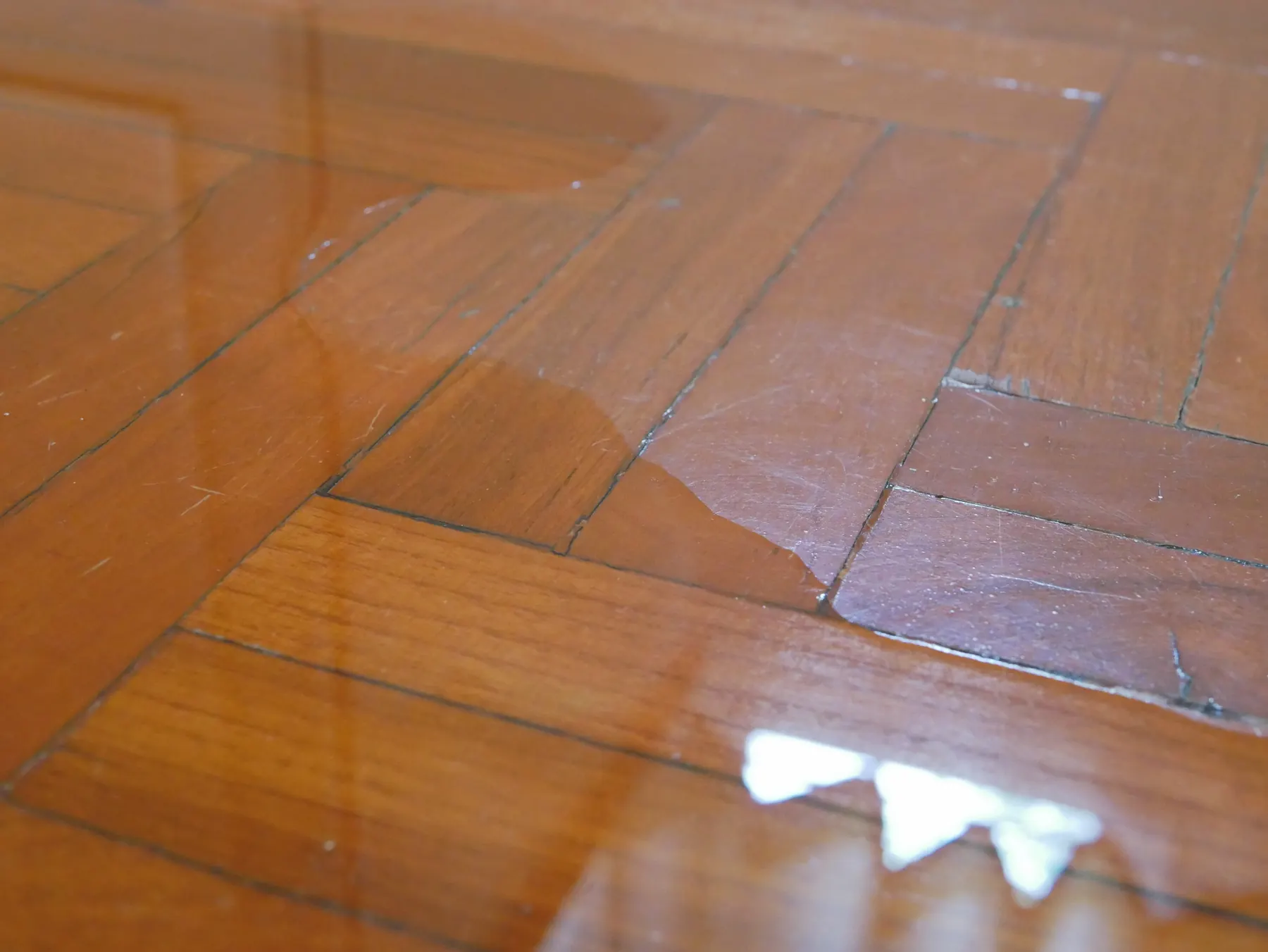
A wet rug on hardwood moves moisture straight into the boards. So we either lift the rug and work on it away from the floor, or we get a waterproof layer under it before anything goes on. A cupped and blackened strip of oak costs more than the rug we were called about. Dye is the same risk running the other way: a red that bleeds onto pale wood does not come off.
Fringes are hand work. They are usually cotton while the pile is wool, they take the most traffic and the most dirt, and they are cleaned and groomed by hand at the end rather than run over with a machine.
Rugs are quoted per rug, once we have seen the fibre and the condition, and the price is confirmed before a machine is switched on. If we are already booked to clean your carpet, adding the rug to that visit costs less than calling us out for it on its own.
How it goes
The order of work.
Identify the fibre and the construction
Face fibre, foundation, and whether the rug is hand knotted, woven or glued together. Everything after this decision follows from it.
Test the dyes
A white cloth and a little solution on a corner, then we look at the cloth. Colour on the cloth changes the method, and sometimes it cancels the wet clean entirely.
Dust the rug out
Dry soil comes out first, from the back as well as the face. A rug can hold a surprising weight of grit in its foundation, and water turns that into mud.
Wash to suit the fibre
Low pH and moderate heat on wool. Minimal moisture and an acidic rinse where dyes are loose. Never the hot alkaline mix that synthetic broadloom can take.
Fringes, then controlled drying
Fringes cleaned and groomed by hand, then the rug dried flat with air moving over it so nothing browns or shrinks on one side.
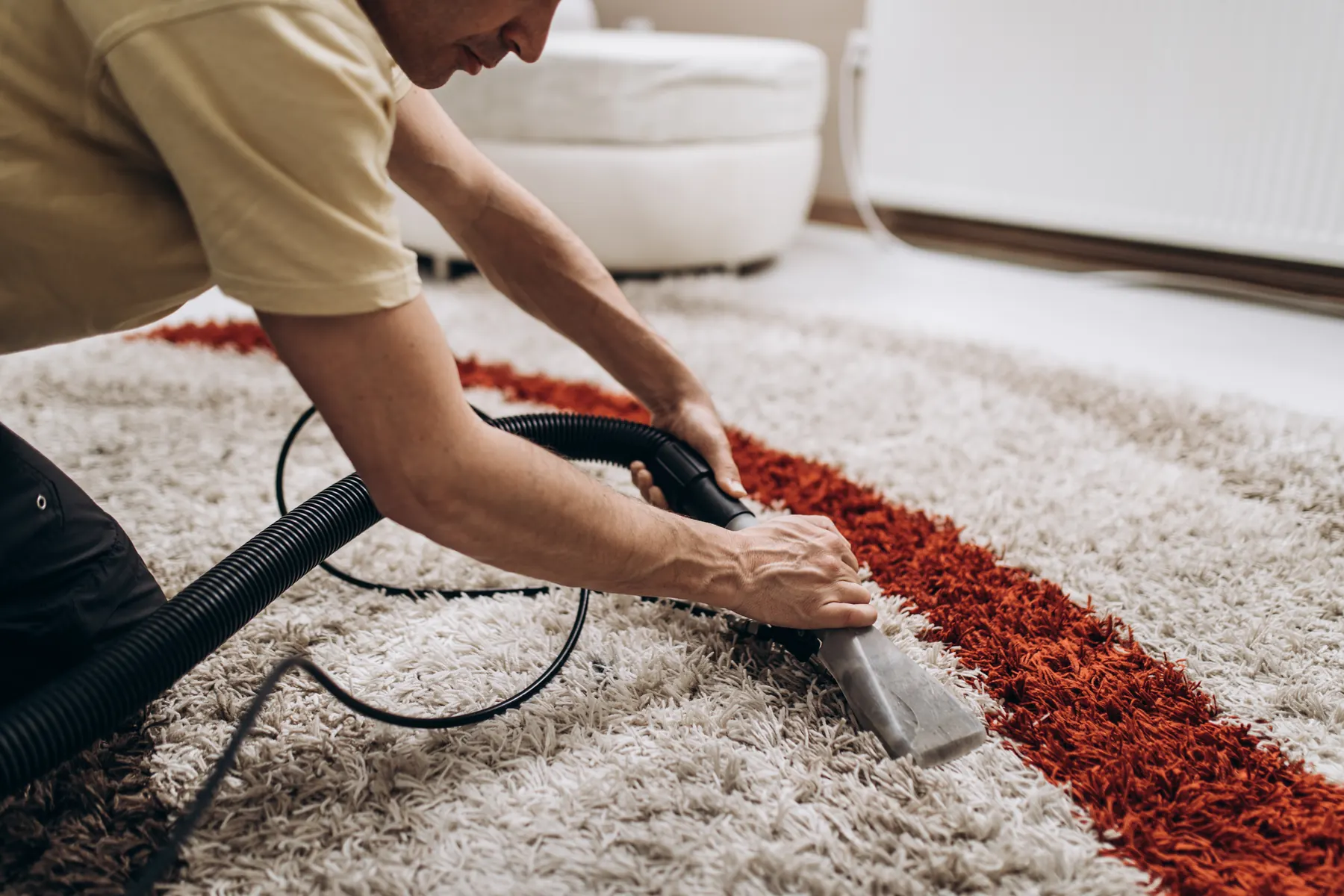
Can you clean the rug in my living room, or does it have to go away?
Most wool and synthetic rugs can be cleaned where they are, with the floor under them lifted clear or protected. A heavily soiled hand knotted rug, or one sitting on hardwood that cannot take any moisture, is better done off the floor.
My rug is labelled art silk or bamboo silk. Is that silk?
No. Those are viscose, which is wood pulp spun into fibre, and it is the material most likely to be wrecked by a wet clean. We will look at it, test it, and tell you honestly whether it can be cleaned or only surface treated.
Will the colours run into each other?
That is exactly what the corner test is for. Hand knotted and vegetable dyed rugs can bleed, and once a red has moved into a cream border it does not move back. If the dyes are loose we change the process or we stop.
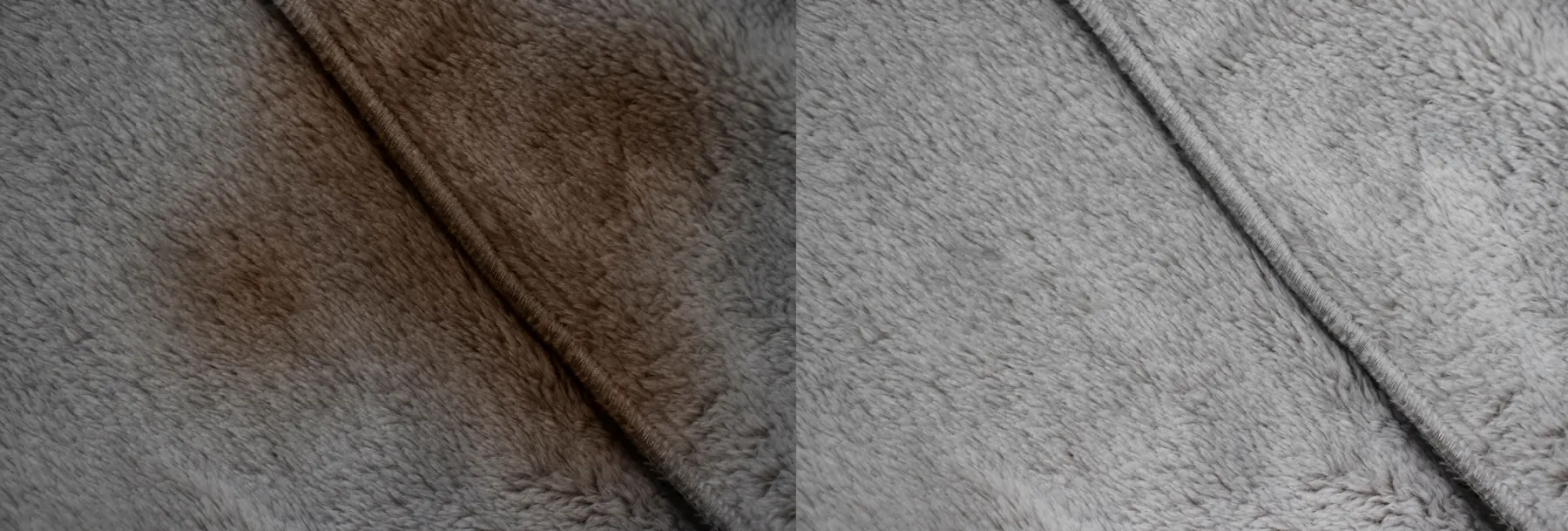
Can you clean a rug with pet urine in it?
Sometimes, and it depends how far it went. Urine that has only reached the face usually comes out. Urine that has soaked into the foundation and dried can stain the fibre permanently and can rot cotton. We will tell you which one you have before we quote.