Water damage restoration
With water damage, the only variable you control is how fast you call.
Extraction, structural drying and documented restoration across Toronto, North York, Vaughan and the GTA. The difference between a dry-out and a rebuild is measured in hours.
From $1,500
Water damage is a clock, not a mess
A flood is not really a cleaning problem. It is a timing problem. In the first hour the water is still mostly on the surface, where a pump and an extraction unit can remove it. By the end of the afternoon it has wicked well up the drywall by capillary action and run along the subfloor under boards you have not lifted. Give it a day or two in a warm house and the conditions for microbial growth are there, whether or not you can smell it yet.
Nothing about that sequence is affected by how good the crew is. It is affected by when the crew arrives. That is the whole reason the line is answered at three in the morning.
Photograph it before you dry it
This is the part people get wrong, and it costs them money. The instinct is to start mopping. Do not, or at least take pictures first. Once the water is gone, so is your evidence, and an adjuster assessing a claim is looking at what the room was like when it was wet.
Photograph the standing water, the source, the wet line on the wall, and every damaged item before it is moved. Get the serial number plate of whatever failed, if there is one. Keep the receipts for anything you throw out, and do not throw out the ruined item itself until somebody has seen it or photographed it.
We do our own documentation on arrival and through the drying, including daily moisture readings, and we will give you the whole file. We cannot argue your claim for you, and we will not pretend otherwise. What we can do is make sure nothing is missing from it.
What it costs
- A single small area, such as one bathroom or a contained leak, runs $1,500 to $3,500.
- A whole room flood runs $4,000 to $7,500.
- A full basement runs $5,000 to $25,000, and the spread is that wide because a finished basement with drywall, carpet and storage is a different job from a bare slab.
Those figures cover extraction, drying and the restoration of what can be restored. We confirm the price before work starts, and if the scope changes when we open a wall and find more water, you hear it from us that day rather than on the invoice.
How it goes
The order of work.
Call and make the area safe
We talk you through the first few minutes on the phone. Stop the source if the valve is reachable, kill power to the affected circuit, and stay out of standing water near outlets.
Photograph before anything moves
We document the room as we found it, with the water still in it. Those photographs are what an insurer reads. Once we have dried it, the evidence is gone.
Extract the water
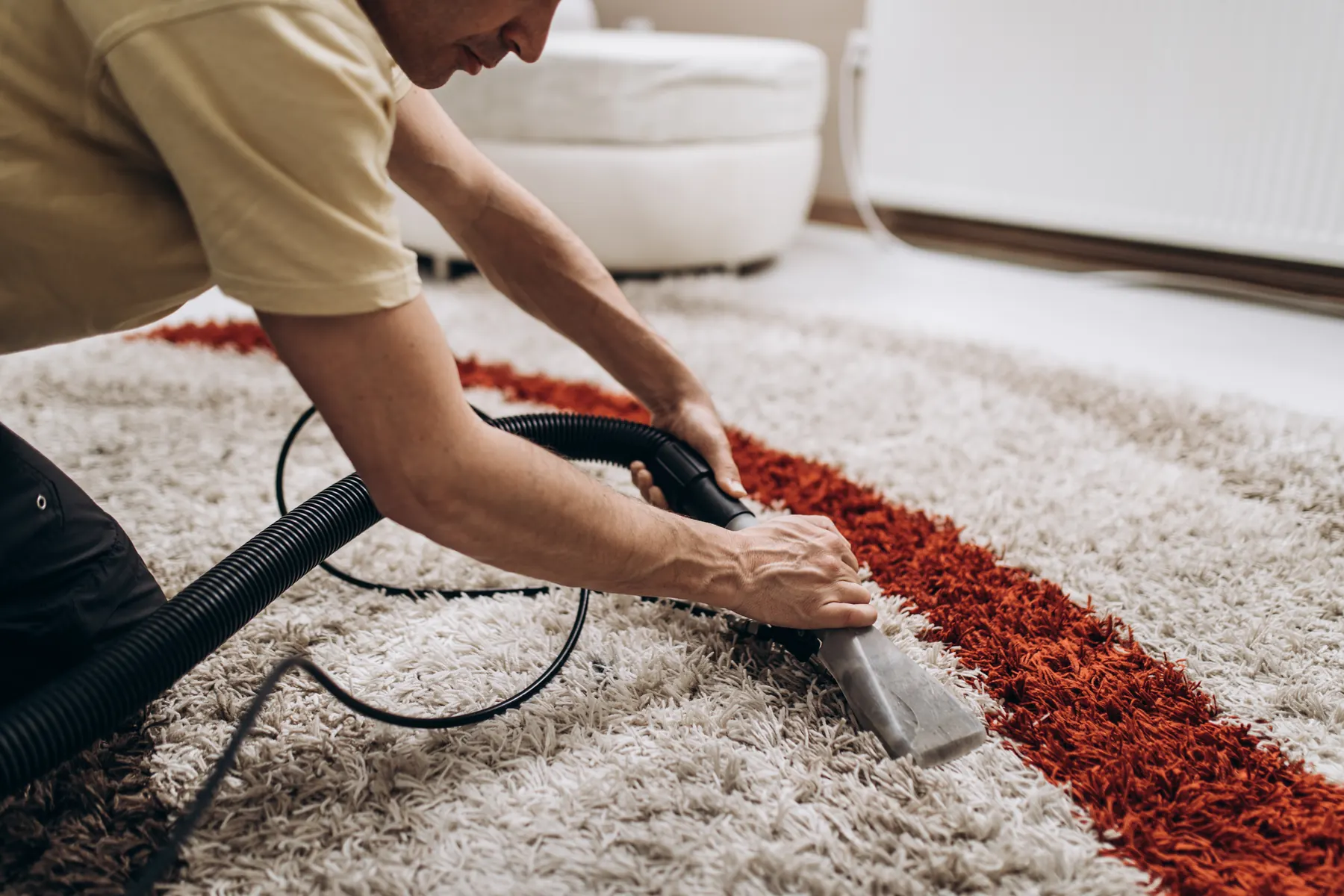
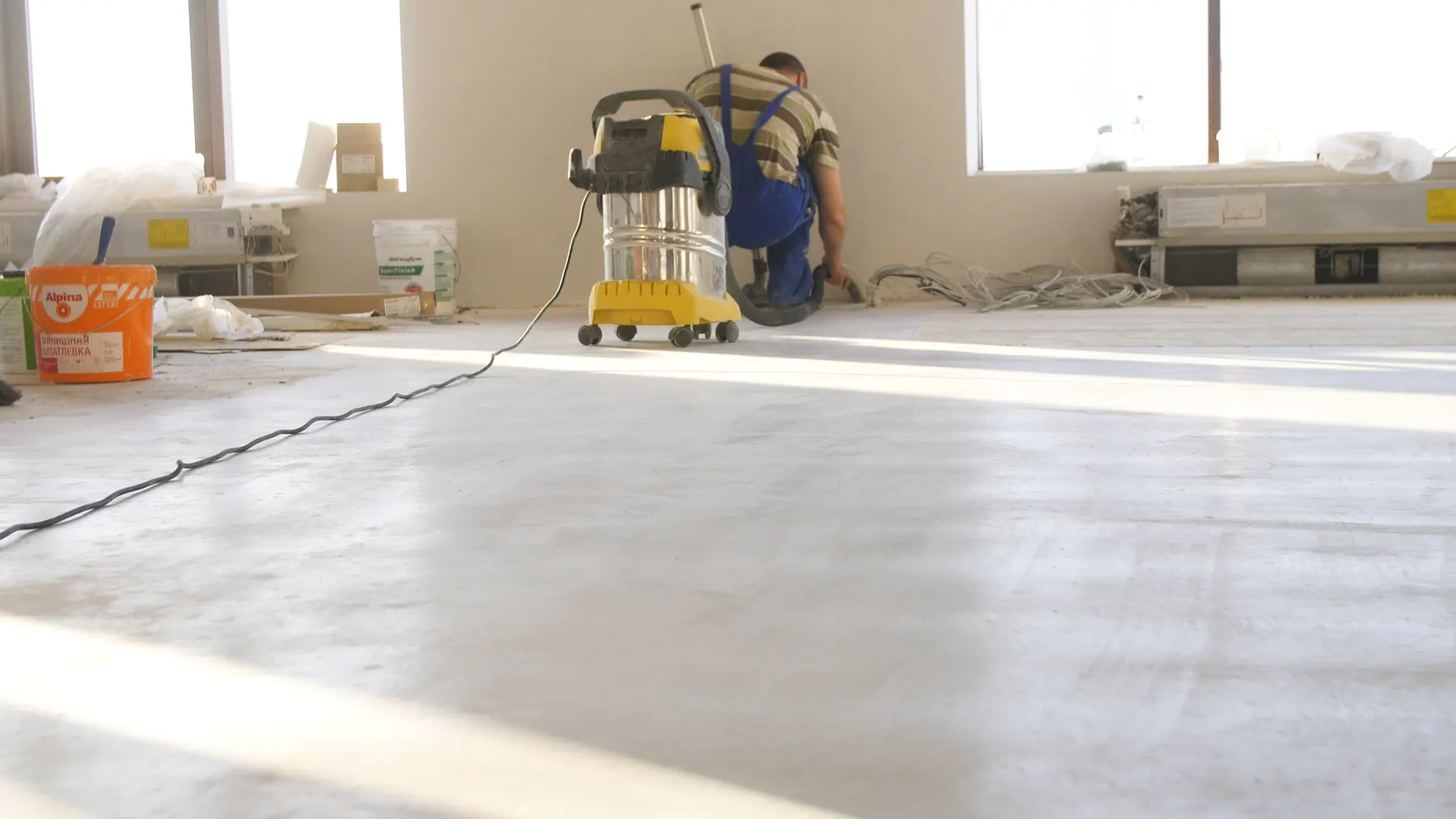
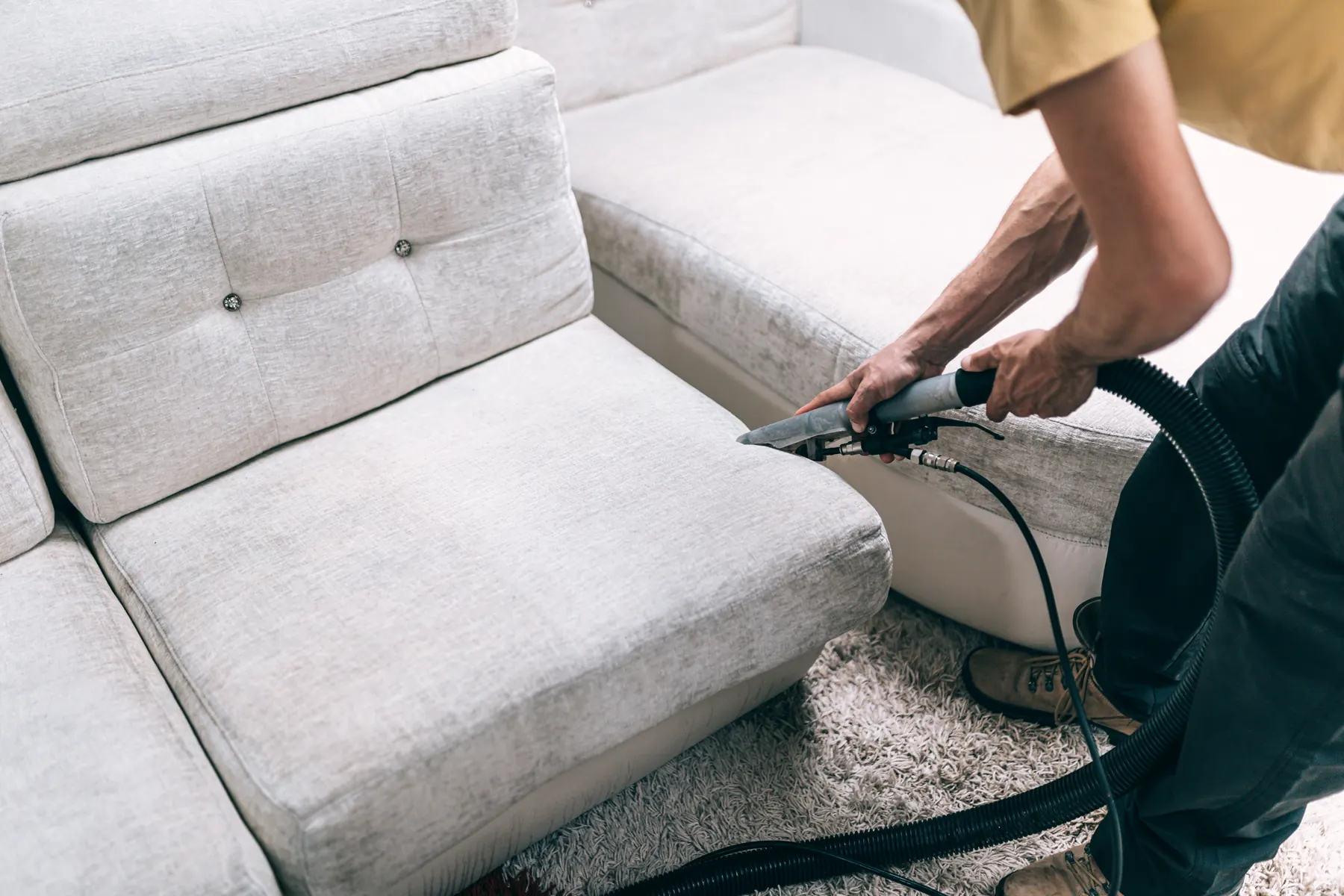
Pumps and extraction units take out everything liftable, including what is held in carpet, underlay and the lower few inches of drywall.
Find the water you cannot see
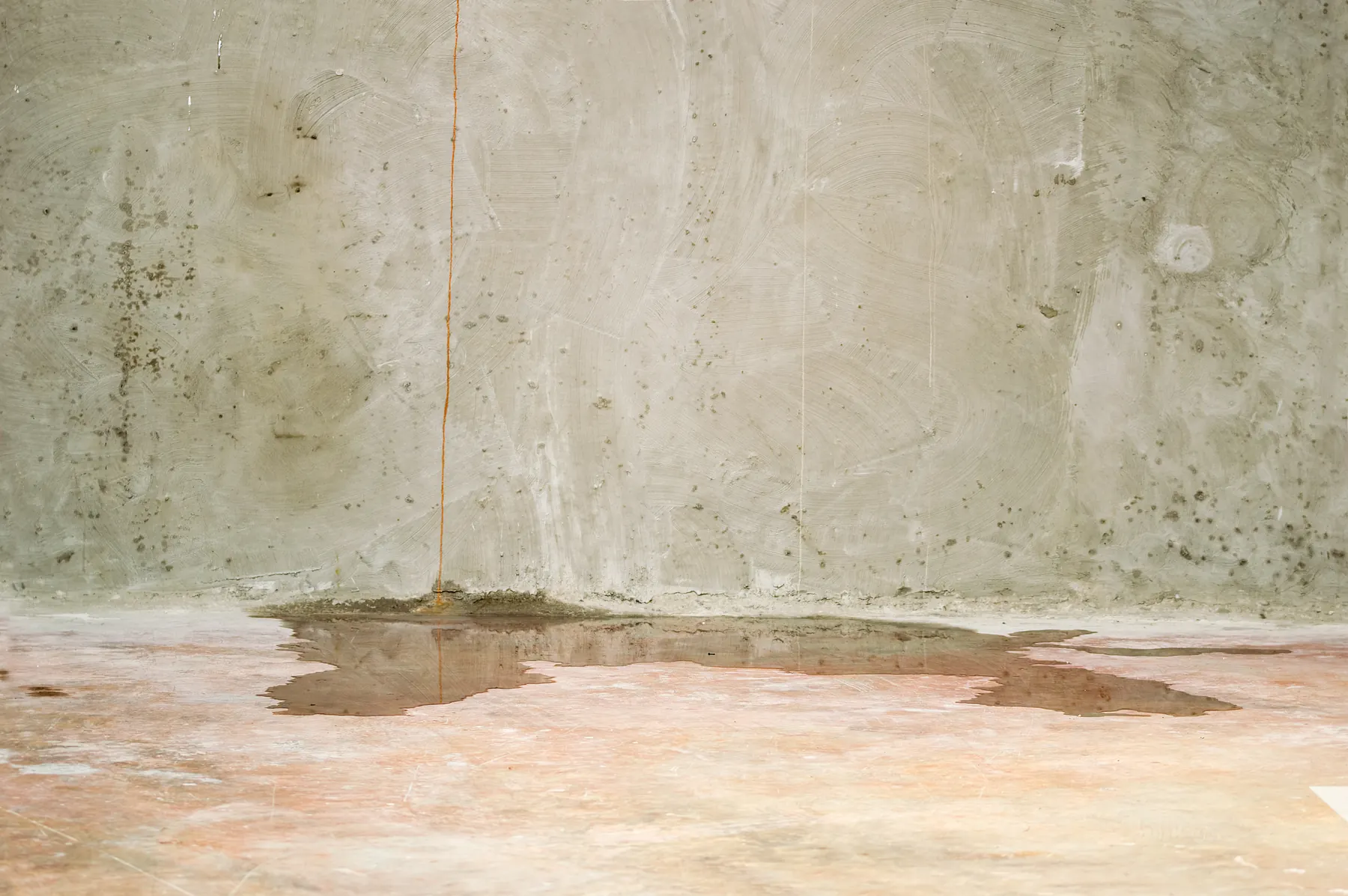
Moisture meters across walls, subfloor and cavities. Water wicks upward through drywall and sideways under flooring, and a surface that feels dry often is not.
Dry, monitor and record
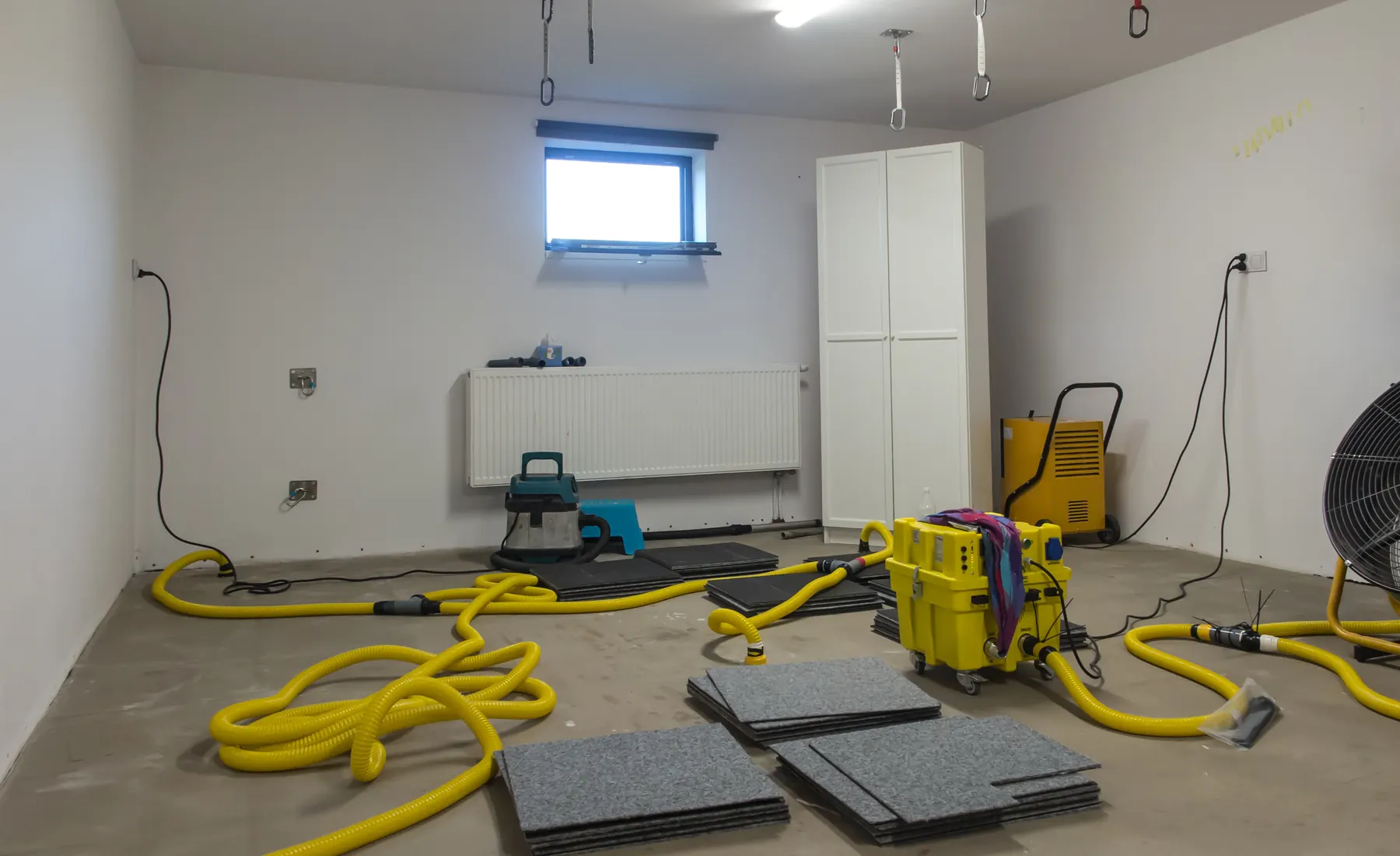
Air movers and dehumidifiers positioned for the room, with readings taken on each visit until the materials hit target. The log goes to you and to your adjuster.
How fast do I need to act?
Same day. Water wicks up drywall and into subfloor by the hour, and microbial growth becomes likely inside roughly two days in a warm room. A floor extracted the same afternoon is often saved. The same floor left until the weekend is usually lifted and replaced.
Will my insurance cover it?
That is between you and your insurer, and it depends on the cause and your policy. What we can do is give them what they ask for. We photograph the damage before drying, log moisture readings through the job, and itemise the work, which is the documentation most claims are decided on.
Can you save hardwood and carpet?
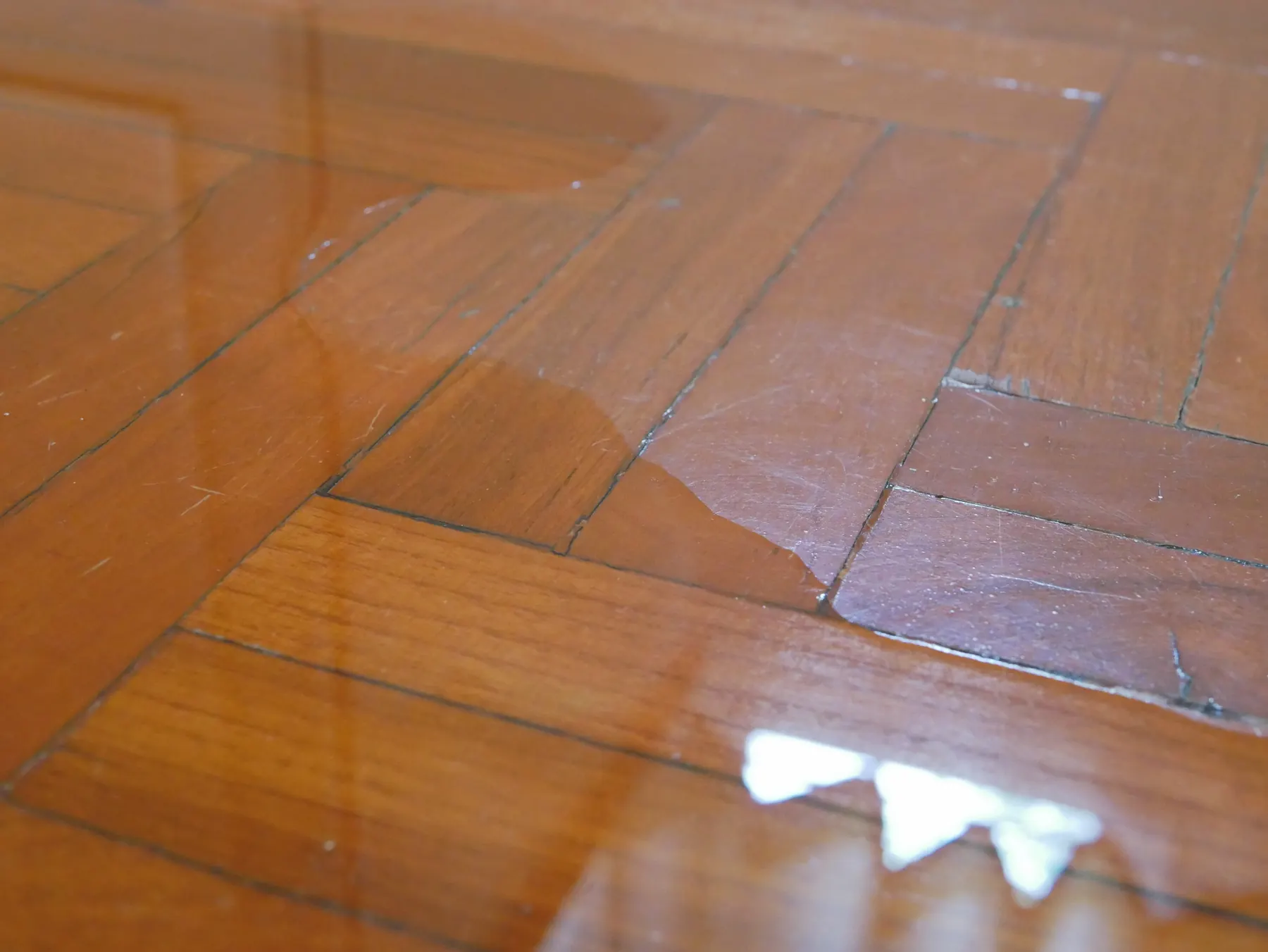
Sometimes. Engineered boards and parquet often cup and can be dried flat if we get to them quickly. Carpet is usually saveable, underlay usually is not. With clean water and a fast start the odds are good. With sewage they are not, and we will say so.
What if it happens at night?
The line is answered 24 hours. Call 647-697-7435 whenever it happens. Waiting until business hours is how a contained leak turns into a room that has to be opened up, and the cost follows the scope.