Upholstery cleaning
The sofa gets the most use and the least cleaning.
Upholstery cleaning for sofas, armchairs, dining chairs and headboards across Toronto and the GTA. Body oils and sweat pulled out of the foam, with the method set by the code on the label.
Quoted per piece
Why a pale sofa greys at the arms first
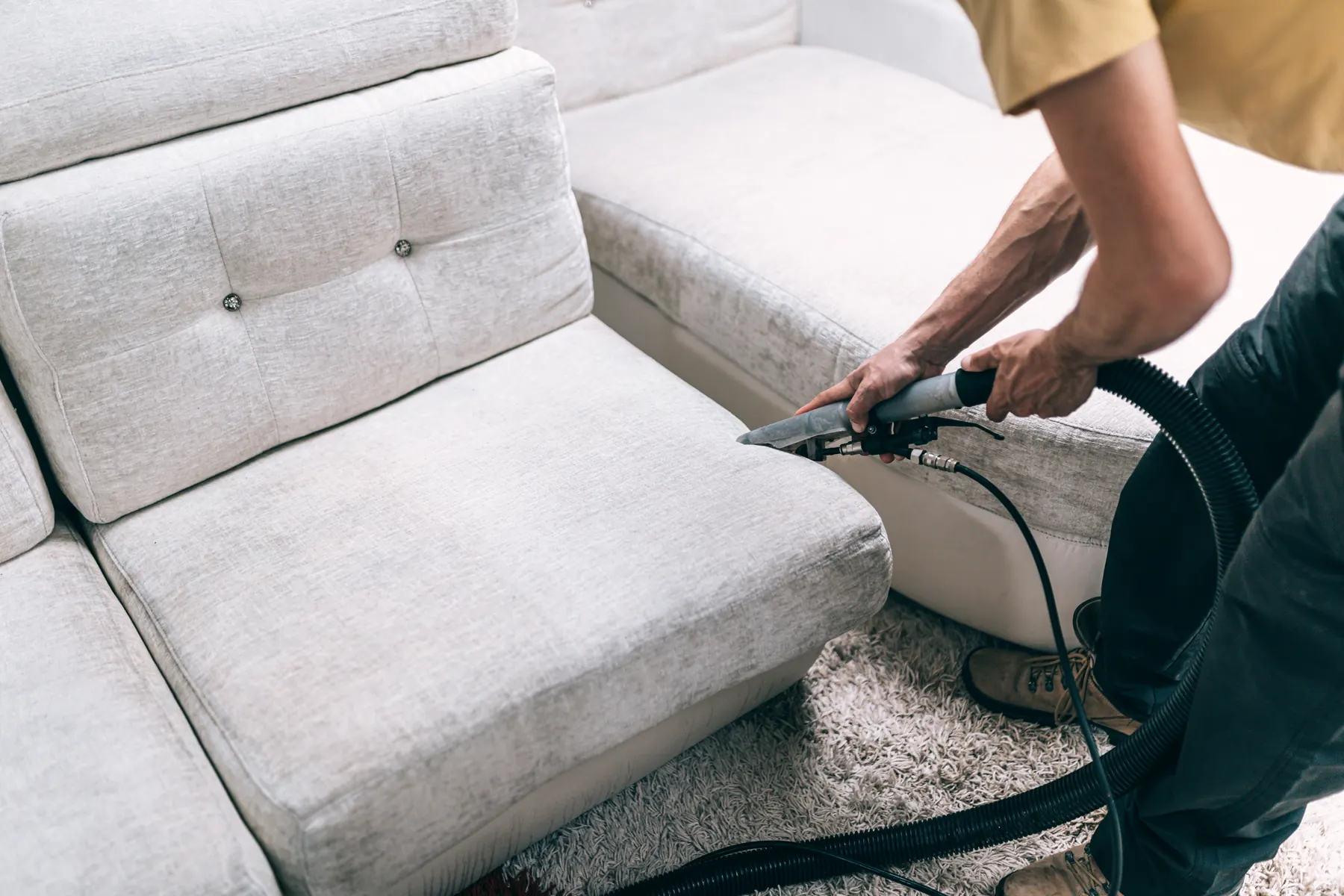
Skin oil and sweat transfer wherever a forearm, a hand or the back of a head rests, and they do not stay on the surface of the fabric. They wick down into the foam, oxidise, and pull airborne dust in with them. That is why the grey shows up first on the arms, the headrest and the front edge of the seat, and why wiping the fabric achieves very little. The soil is underneath it.
A floor gets walked on in shoes and cleaned every year or two. A sofa takes hours of direct skin contact every evening and, in plenty of houses, has never been cleaned at all. That gap is the whole reason the work is worth doing.
The code on the label decides the method
Under a cushion or on the deck there is a tag with a letter on it. W means water based cleaning. S means solvent only, because water will leave rings. WS means either will do. X means vacuum only, and it means it: no water, no solvent, because the fabric will shrink, ring or bleed if you try. We read that tag first, then test a hidden panel anyway, because fabric does not always agree with its label.
Loose covers stay on the frame while we clean them. They are cut to fit a shape, and a domestic washing machine can shrink a cotton or linen cover by enough that it never goes back on properly. Fixed upholstery is the same job done in place, with the cushions worked separately so the sides get cleaned as well as the tops.
Drying, cost, and the one thing cleaning cannot do
Three to six hours is normal, with the arms and the headrest last because they took the most solution. Do not sit on it while it is damp. Body weight pushes moisture back up through the fabric and carries soil to the surface with it, which is how a cleaned sofa ends up marked in the shape of the person who sat on it. We finish with dry suction passes and leave air moving across it.
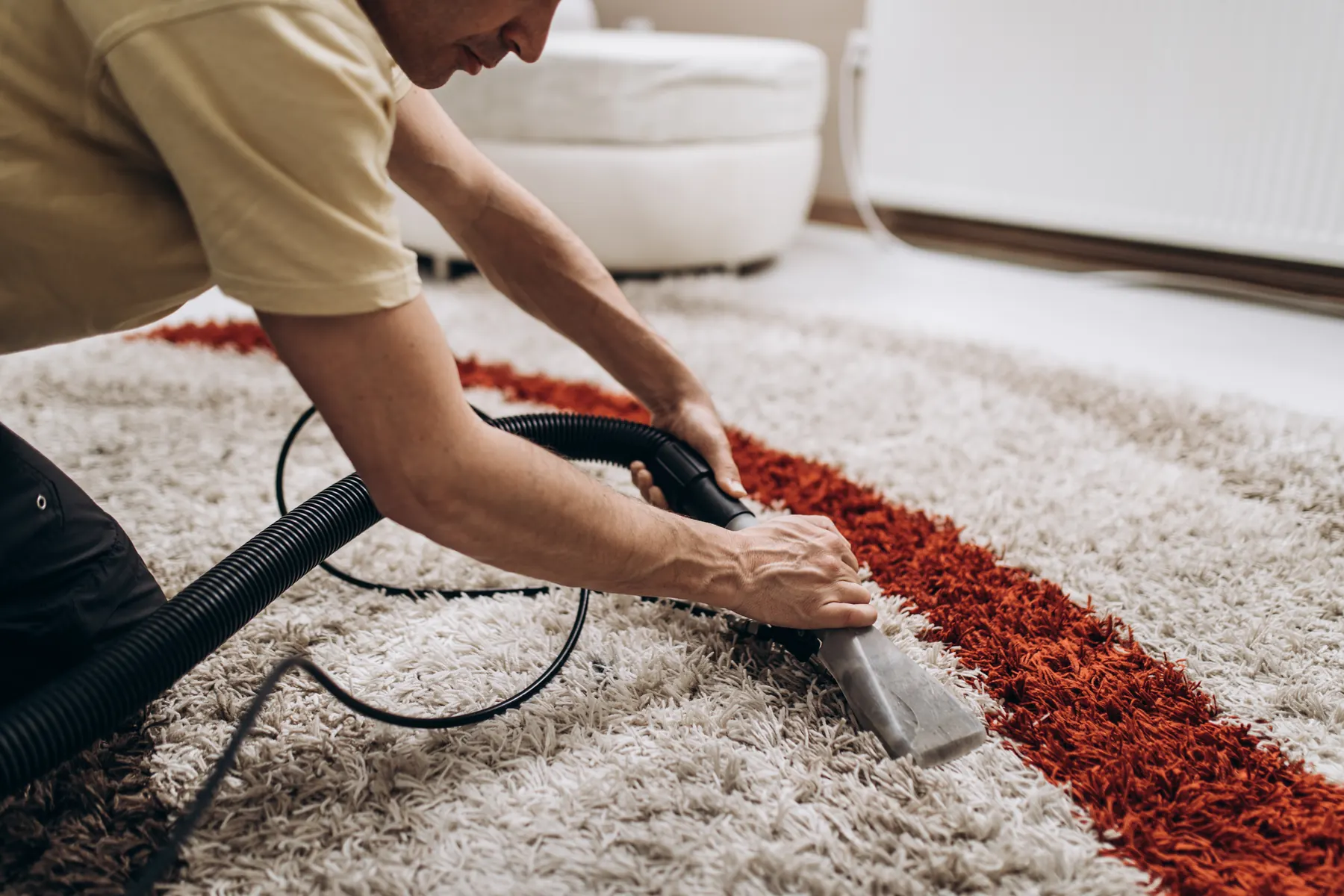
Upholstery runs off the same equipment as the carpet work. So if we are already in the house for the floors, a sofa or a set of dining chairs added to that visit costs less than booking a separate call-out for it. Pieces are quoted individually, by size, fabric and condition, and the price is confirmed before we start.
One limit worth saying out loud: sun fade is not dirt. A sofa that has sat with one end in the window for a few summers is lighter at that end because the dye has gone out of it, and it will be clean afterwards and still two colours. Nobody puts colour back into faded fabric, and we will tell you that at the door rather than after the invoice.
How it goes
The order of work.
Read the code on the label
Under a cushion or on the deck there is a tag: W, S, WS or X. That letter decides the method, and we look at it before anything else.
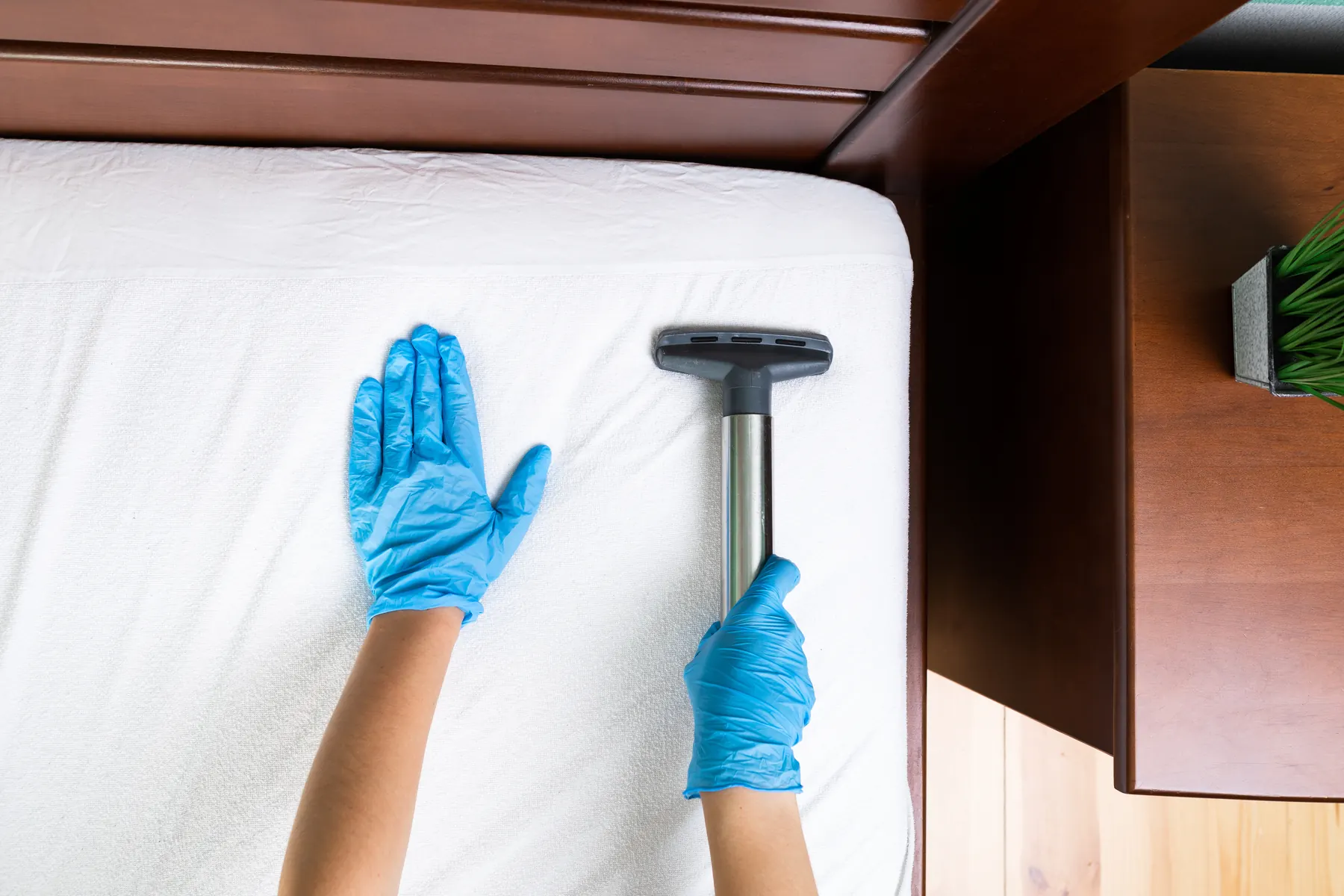
Dry vacuum, including the seams
Surface, sides, piping and under the cushions. Grit in the seams is abrasive, and wet grit is worse.
Test a hidden panel
Solution on a spot nobody sees, to check for shrinkage, rings or dye transfer. Fabric can behave differently from the label.
Pre-treat the contact points
Arms, headrest and the front edge of the seat get treated for body oil specifically, then left to dwell.
Low moisture extraction and dry passes
Heated solution in and straight back out under suction, then repeat suction only passes and air movement until the fabric is barely cool to the touch.

The label says X. What can you do?
Vacuum it thoroughly and nothing else. X means no water and no solvent, because the fabric will shrink, ring or bleed. Anyone who puts an extraction tool on an X coded piece is gambling with your furniture, and we will not do it.
How long before we can sit on it?
Three to six hours with air moving, and the arms and headrest are last to dry because they got the most solution. Sitting on it damp pushes moisture back up through the fabric and brings soil with it.
Should I take the loose covers off and wash them?
We would rather clean them on the frame. Covers are cut to fit a shape, and a domestic machine can shrink a cotton or linen cover enough that it never sits right again.
Can you get the smell out of a sofa a cat has used?
Often, with an enzyme treatment and extraction, and it depends how far down it went. If it has reached the foam and dried there, the smell is in the foam and cleaning the fabric will not finish the job. We will say so rather than guess.
Is it cheaper if you are already cleaning our carpet?
Yes. Upholstery runs off the same machine, so a sofa added to a carpet booking costs less than a separate call-out for the same piece.