Water damage restoration in Toronto, condos above and cellars below
A leak in a tower reaches the unit below the same day, and a heavy summer storm can push the combined sewer back up an old basement floor drain. We extract, document and dry, and the line is answered around the clock.
Streets we are on most
Toronto, neighbourhood by neighbourhood.
- Downtown
- CityPlace
- Liberty Village
- The Annex
- Leslieville
- Roncesvalles
- Cabbagetown
- High Park
Not on the list? We still come. See every area we cover, or call and ask.
Working here
The shut-off valve may not be yours to turn
In a lot of Toronto towers the isolating valve for your riser sits in a service cupboard or behind a neighbour's door, and only building staff can get to it. If you cannot stop the water yourself, phone the property manager and phone us at the same time rather than one after the other. While they close the riser we can be on the way with extraction equipment, and that overlap is often the difference between wet flooring and wet drywall.
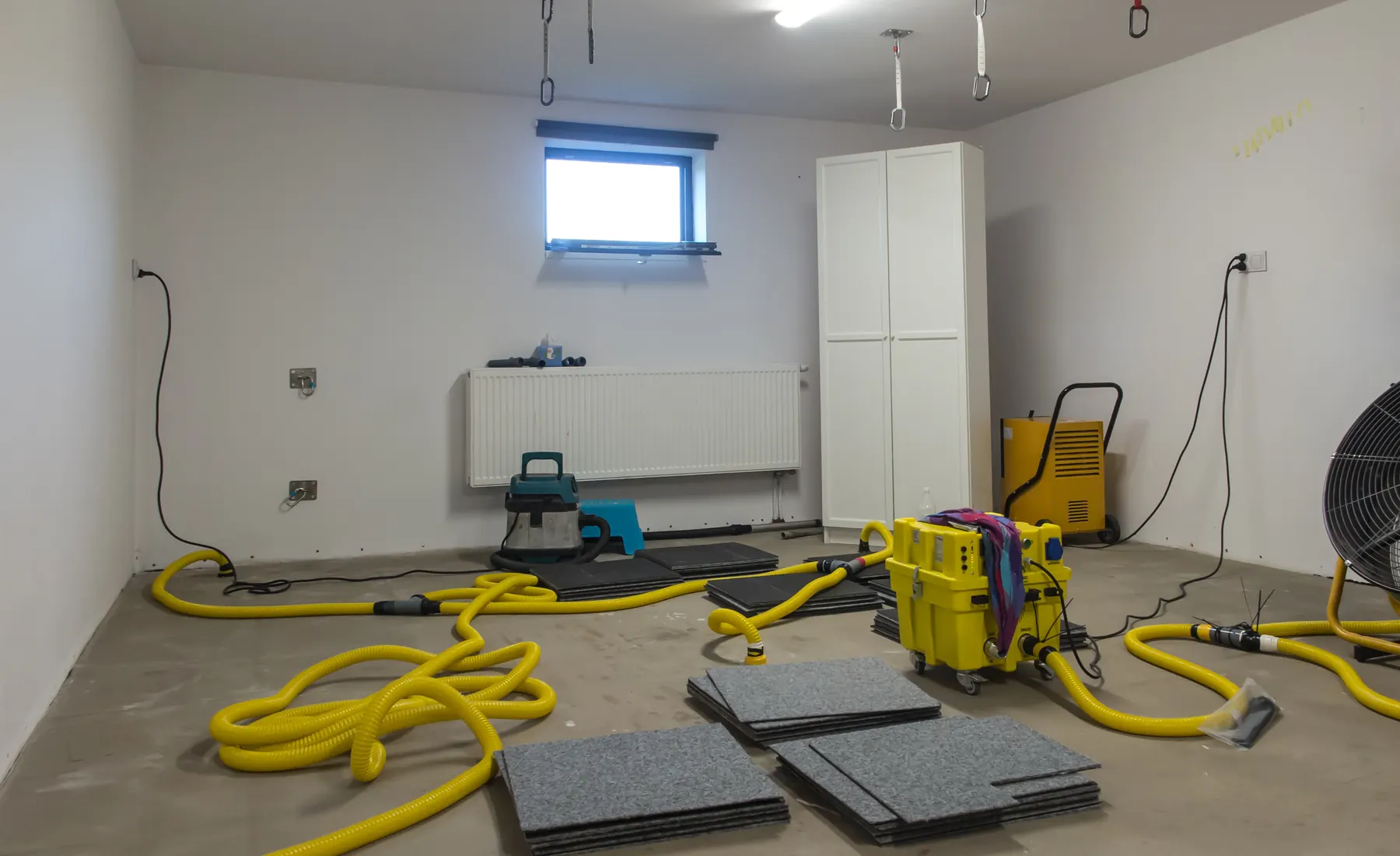
Drying equipment travels in the service lift
Air movers and dehumidifiers are bulky, they are heavy, and they are not going up in a passenger car in the middle of the afternoon. Give us the building name and the property manager contact when you call, so a lift slot and any insurance paperwork are being sorted while we are driving rather than once we are standing in the lobby. Our cleaners are insured and background-checked, which is usually the document a building asks to see.
Old stock, rubble foundations and basement flats
Victorians and semis across Cabbagetown, Leslieville and Roncesvalles sit on rubble or fieldstone foundations that take water through the wall instead of the floor. A basement flat under one of those is the room that suffers, because the moisture arrives at the bottom of the wall and travels up into the baseboard and the underlay. Drying that properly means opening it up, not running a fan across a carpet and hoping.
Call before you mop
Water damage is a clock rather than a mess. In the first hour water is still on the surface. By hour six it is in the underlay, up the bottom of the drywall and under the baseboard, and the job has changed from extraction to demolition. So call first and mop second. The line is answered 24 hours on 647-697-7435.
The other reason not to tidy up is the claim. Your insurer wants to see the damage as it was, and photographs taken before any drying equipment is switched on carry weight that photographs of a dry room never will. We document the damage for an insurance claim as part of the work: what was wet, how far it spread, what came out. Do not throw the soaked underlay in the bin before somebody has photographed it.
A leak in a tower is never only your unit
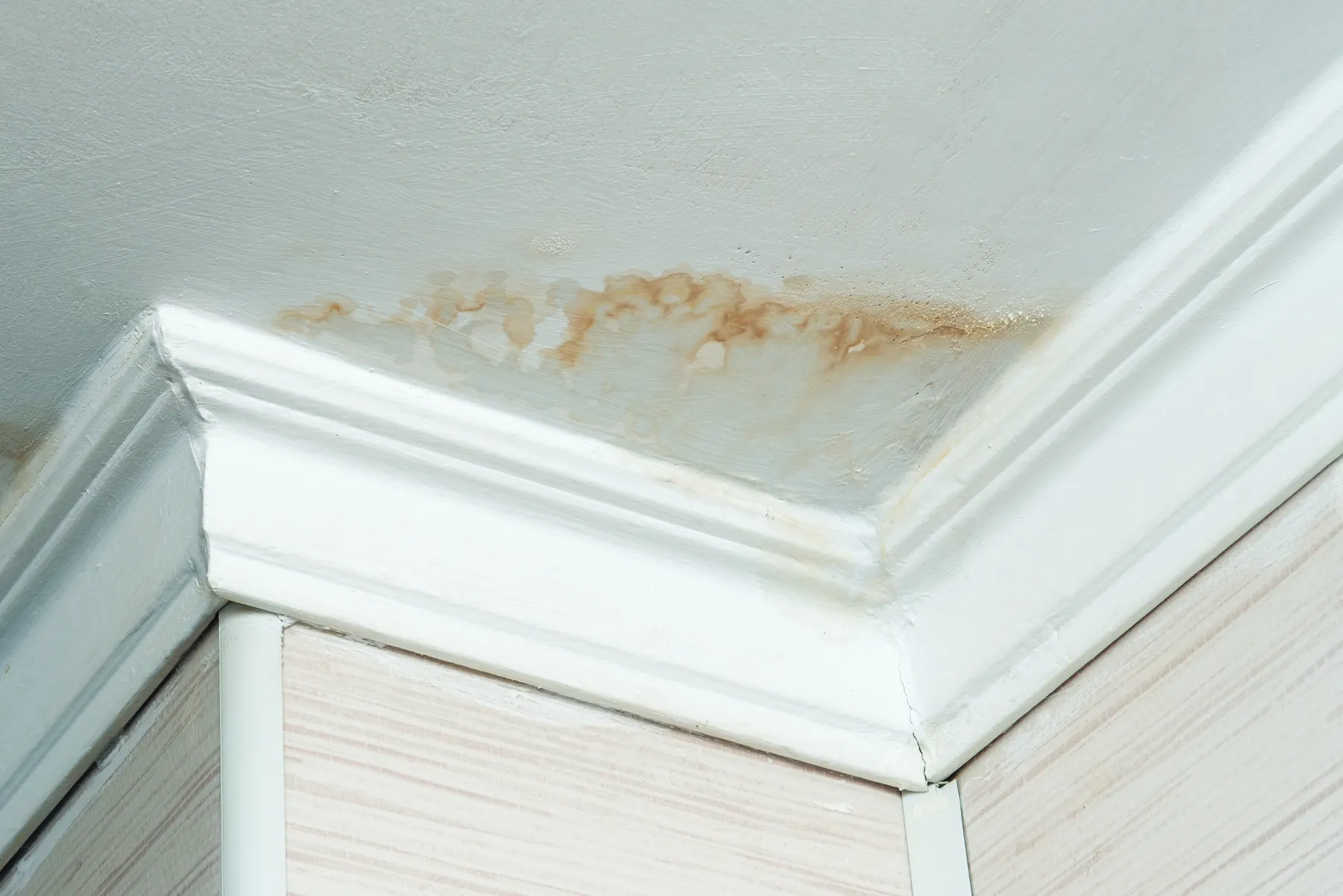
In a condo, water finds the floor slab and it finds the unit below, usually the same day. That makes a leak a building matter as well as yours. The property manager gets involved, the corporation has its own insurer, and the shut-off valve for your riser may be somewhere you cannot reach without them. Tell us the building name when you call, because drying equipment goes up in the service lift and that slot has to be booked like any other delivery.
The older city is a different problem. Rubble foundations under Victorians and semis let groundwater through the wall rather than the floor, and a basement apartment sits directly in it. Combined sewers are the summer version. A heavy storm overwhelms the system and it comes back up the floor drain. That water is not clean, and the material it soaks is handled accordingly.
What restoration costs in Toronto
The published tiers are these. A single small area, one bathroom, one closet, a patch of ceiling below a leak, runs $1,500 to $3,500. A whole room flood is $4,000 to $7,500. A full basement is $5,000 to $25,000, and that range is wide because a bare storage cellar and a finished basement apartment are not the same job. We confirm the figure before work starts, and we tell you which tier you are in after we have looked, not over the phone.
While the van is here
Rarely the only thing that needs doing.

Asked in Toronto
Should I mop the water up before you arrive?
Lift what is easy and safe, move furniture off the wet floor, and stop there. Standing water is only the visible part, and by the time it is gone the moisture has usually travelled into the underlay, the baseboard and the bottom of the drywall. We would rather see the room wet, because that is what tells us how far the water went and it is what your insurer wants photographed.
Do you help with the insurance claim?
We document the damage for an insurance claim. Photographs of the room before any drying equipment is switched on, a record of what was wet, how far it spread and what had to be removed. We are not adjusters and we do not settle anything on your behalf, but the record we hand you is the record the claim gets built on.
The unit below mine is reporting a stain on the ceiling. Now what?
That is normal within hours of a leak in a tower, because water finds the slab and then finds the penetrations through it. Tell the property manager, because two units are now involved and so is the corporation's own insurer. We can work in both units on the same visit if the building allows it, which is faster and cheaper than treating them as two separate jobs.
Is the line really answered at three in the morning?
Yes. The emergency line runs 24 hours on 647-697-7435. Overnight is when a lot of this work starts, because a supply line lets go while the building is quiet and nobody hears it for six hours.