Emergency cleaning and restoration
If it is happening right now, stop reading and call 647-697-7435.
The line is answered 24 hours a day, every day, across Toronto, North York, Vaughan and the GTA. This page is here to tell you what to do in the next ten minutes.
Call any time
Do these three things first
Stop the water. Most fixtures have an isolation valve within reach of the leak. If you cannot find it or cannot turn it, go to the main shut-off and close that instead. Water coming through a ceiling is always a main shut-off job, because you cannot see which pipe is doing it. If it is an appliance, pull the hose off at the tap rather than wrestling the machine out of its slot.
Kill the power to that area. Go to the panel and switch off the breaker for the affected rooms. Never reach into standing water to unplug something, and never touch a panel that is wet.
Move what you can carry. Electronics and paper first, then rugs, then put something under the feet of wooden furniture so the finish does not bleed into a wet carpet. Stop there. Do not start mopping, and do not move anything damaged out of the room until it has been photographed.
What happens when we arrive
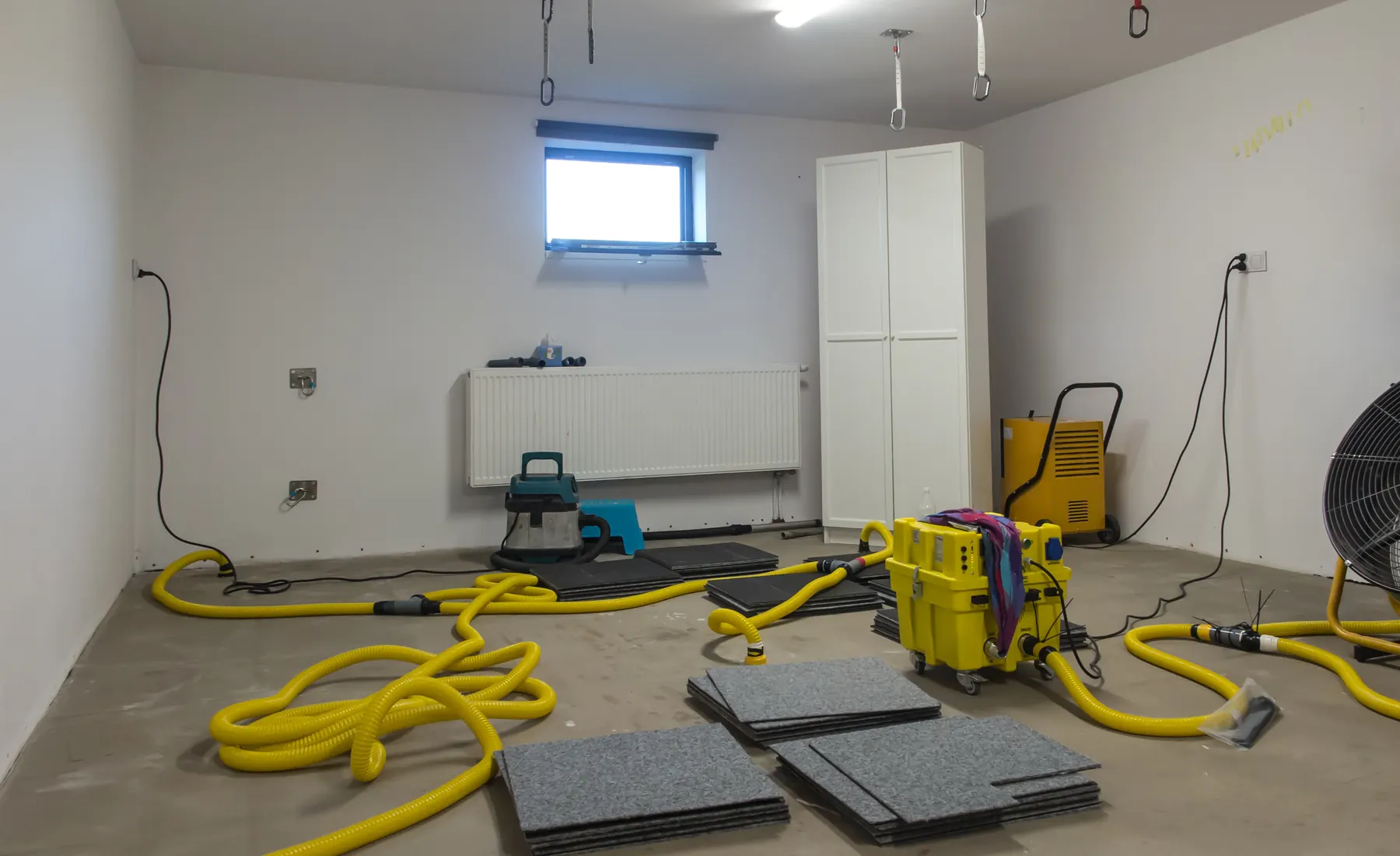
We photograph the scene before we touch it, because that record is what an insurer reads. Then extraction, because water has to be removed before any drying equipment is useful. Then moisture readings across the walls and the subfloor, so we know where the water went rather than guessing. Then air movers and dehumidifiers, positioned and left running, with the readings logged each time we return.
You get the photographs, the readings and an itemised scope. We can hand the same file to your adjuster.
Sewage and fire residue are handled differently from clean water, and we will say which one you have before we quote. Sewage means the soft materials it touched are usually going in a skip rather than through a machine, and smoke residue is chemically active, so it keeps etching metal and glass while it sits there. In both cases, keep people and pets out of the room until we have seen it.
Call the number
647-697-7435, answered 24 hours a day. Or info@allcleaner.ca if it is not urgent and you would rather write.
Tell us the address, what the water is, and how long it has been going. That is enough to dispatch on. Everything else we can work out when we get there.
How it goes
The order of work.
Call, and stay on the line
Tell us what the water is, where it is coming from and how much of the property is affected. We talk you through making it safe while the crew is being dispatched.
Stop the source if you can reach it
Shut the isolation valve under the fixture, or the main shut-off if you cannot. If it is coming through the ceiling, the main is the right answer.
Kill power to the affected circuit
Switch off the breaker for that area at the panel. Do not stand in water to reach an outlet or an appliance, and do not use the panel if it is wet.
Lift what you can lift
Electronics, rugs, documents, anything with a fabric base, and the legs of wooden furniture off wet carpet. Foil or blocks under the legs stop the stain transferring.
Let us in and step back
We photograph the scene as we found it, extract, then set up drying. You get the readings and the documentation for your insurer.
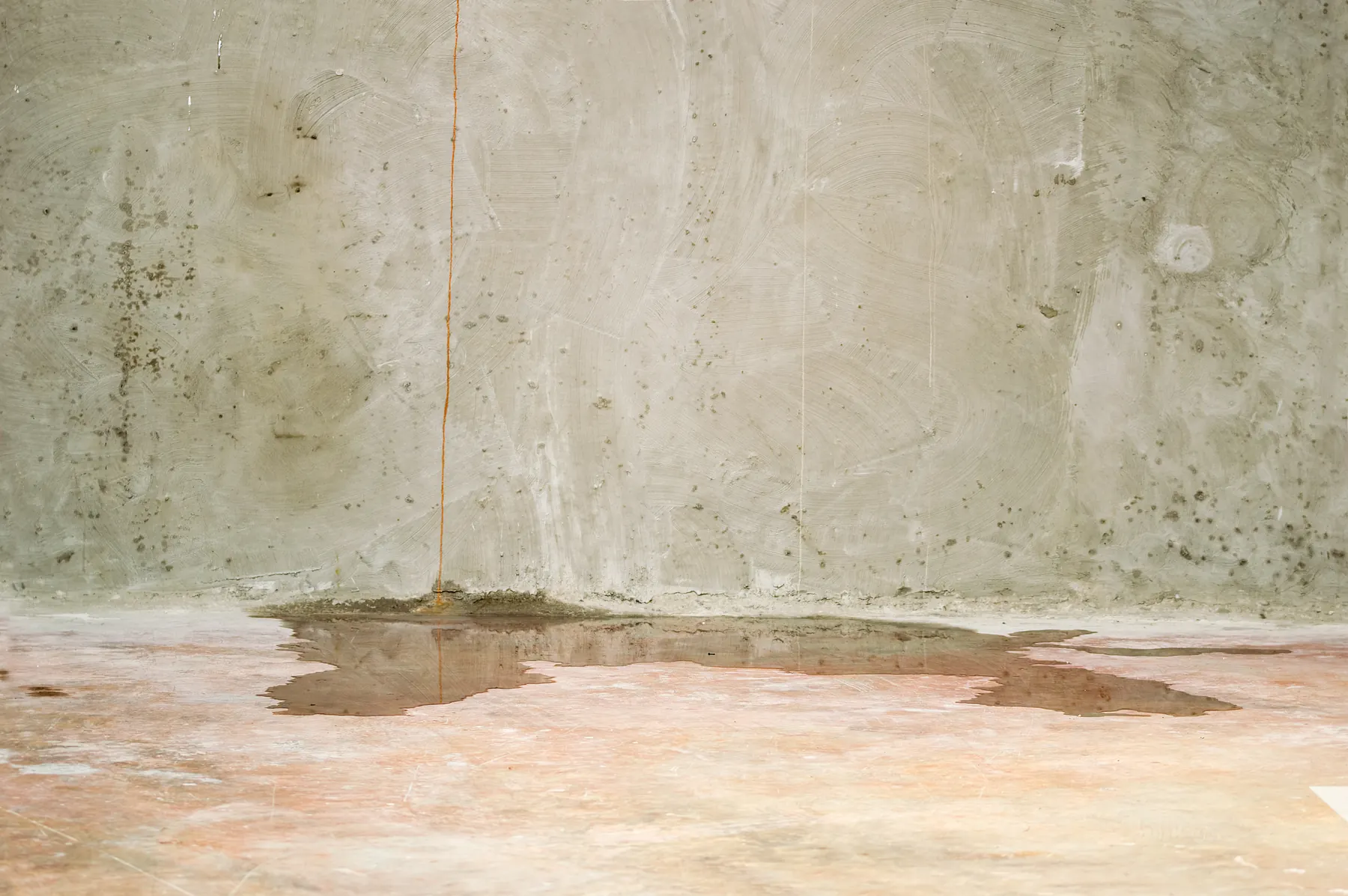

What counts as an emergency?
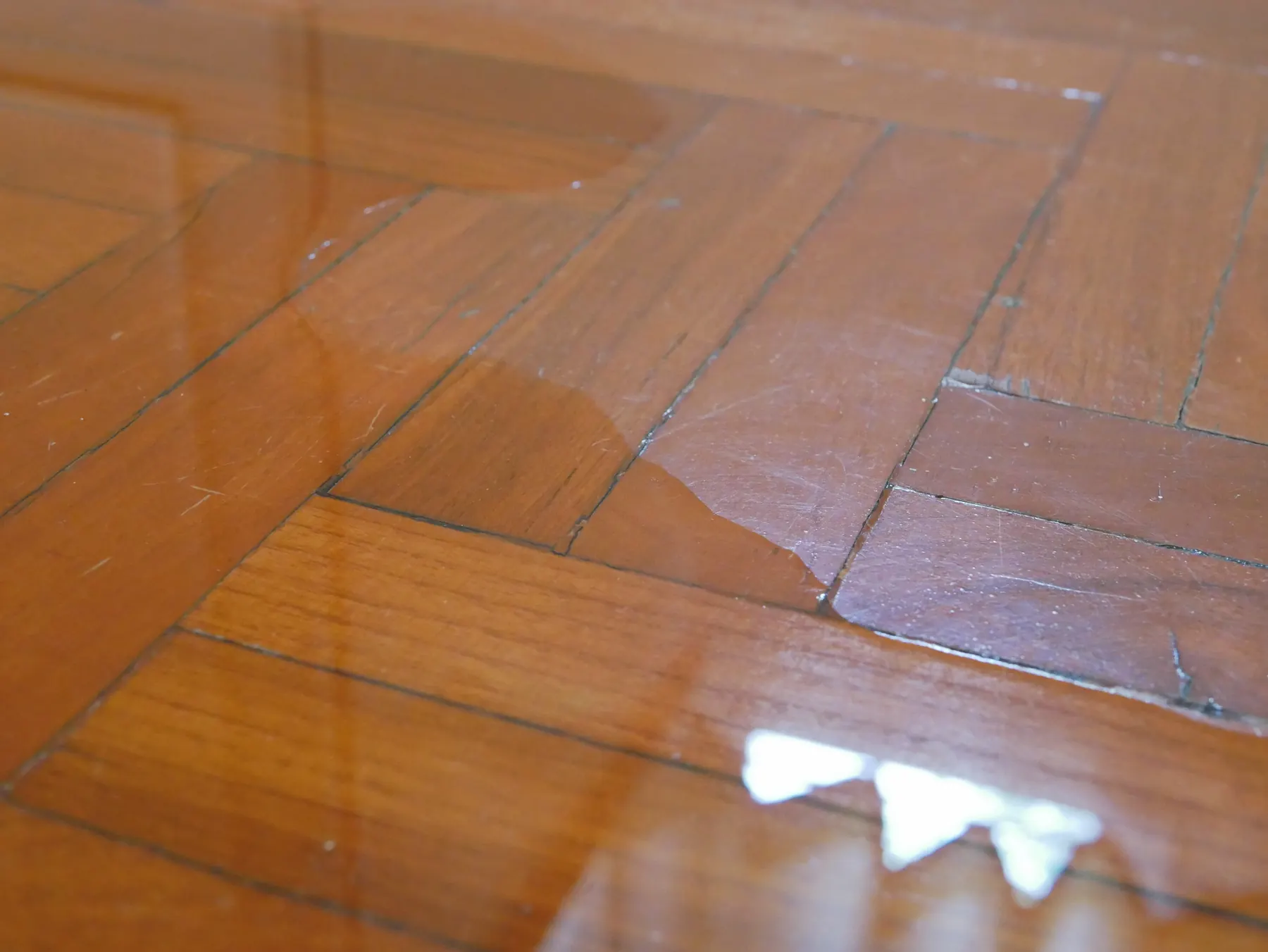
A burst pipe or supply line. A failed water heater. An overflowing appliance. A flooded basement after a storm. A sewage backup. Fire and smoke residue. Anything where water is still spreading or a property cannot be used. If you are not sure, call and describe it, and we will tell you straight whether it needs tonight or tomorrow.
Is the phone really answered at three in the morning?
Yes. A person, not a recording. Call 647-697-7435. We will tell you on that call when a crew can reach you rather than quoting a number at you.
What does an emergency call out cost?
We confirm the price before any work begins, including overnight. Water damage work is scoped by area, from $1,500 to $3,500 for a single small area up to $5,000 to $25,000 for a full basement, and we will not know which until someone sees it.