How to get pet urine smell out of carpet
The surface is clean and the room still smells on a humid day. That is not a failure of effort. It is a question of how deep the urine went and what was used on it.
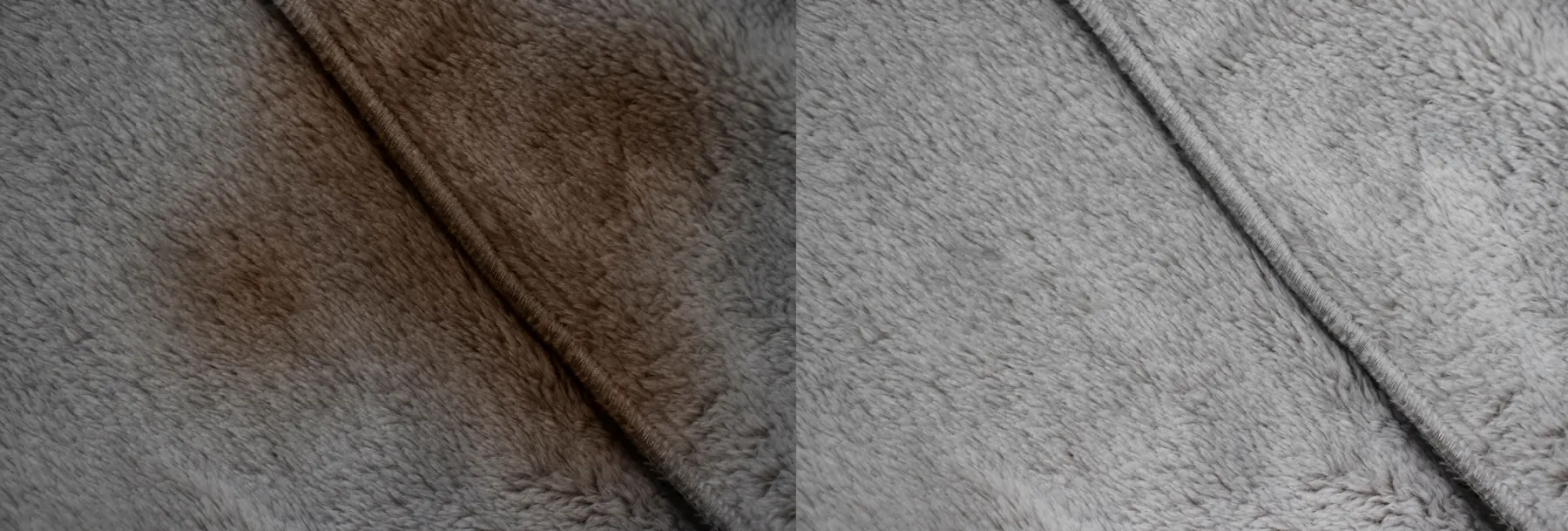
Pet urine smell comes back because the urine is no longer in the pile. It has soaked into the carpet backing and the underlay, where a cloth and a spray do not reach. To remove it, blot the spot dry, soak it with an enzyme cleaner to the same depth, and have deeper or older contamination flushed out by extraction.
Why the smell comes back
A pet does not spill a teaspoon. It puts down a fair volume of warm liquid in one place, and that liquid goes straight down. On the surface you see a patch the size of a saucer. In the backing it has spread wider, and in the underlay wider again. The stain you clean is the smallest part of the problem.
As urine dries, bacteria break it down and it leaves salts and crystals behind in the backing and underlay. Those residues do not dissolve easily in plain water or ordinary detergent. They also draw moisture from the air. Each time they get damp, they give off odour again. That is why a spot can seem fine for weeks and then announce itself on the first humid day of summer, or straight after you shampoo the carpet. The cleaning did not cause the smell. The water woke it up.
It is also why the animal goes back. A dog or cat can smell a spot long after you cannot, and to them it reads as the place to go.
What works at home
For a fresh accident, speed and pressure matter more than product.
- Blot. Fold dry towels over the spot and stand on them. Replace and repeat until the towel comes up nearly dry. You are pulling liquid back up out of the backing, so real weight helps. Do not scrub.
- Rinse lightly with cool water and blot again the same way.
- Apply an enzyme cleaner made for pet urine. This is the step that deals with the residue. Use enough to reach as deep as the urine did, which is more than feels natural. A light mist treats the pile and nothing else.
- Leave it damp for the time the label says. Enzymes need contact time. Covering the spot with a damp towel stops it drying out early.
- Blot, then let it dry completely, with a fan if you have one, before deciding whether it worked.
For old spots you cannot see, a small UV torch in a dark room shows dried urine as a dull glow. It is worth doing before you treat, because the affected area is nearly always bigger than you thought.
What makes it worse
Heat. A steam mop or very hot water on a urine spot can set both the stain and the odour into the fibre. Use cool water at home.
Ammonia and strong alkaline cleaners. Ammonia smells enough like urine to an animal that it can encourage a repeat. High-alkaline products can also damage wool and affect dyes.
Perfume. Deodorising powders and sprays cover the smell for a few days. The source is untouched underneath.
A rental carpet machine with ordinary shampoo. It adds water to the residue without the enzyme action to break it down, and often cannot pull enough back out. The room smells worse the next day, and the leftover detergent is its own problem, as explained in why carpet stains come back.
When it needs extraction, and its limits
Home treatment has a ceiling. Call for professional work when the smell survives a proper enzyme treatment, when there are many spots or one spot used again and again, when the accident is old and has been through several cleanings, or when the UV torch shows more than you can reasonably treat by hand.
A professional treatment follows the same logic with more force. The spots are located. A urine treatment goes on and is given time. Then each area is flushed with water and extracted with a hand tool, repeatedly, so the dissolved residue is carried out of the backing instead of left to dry there. The carpet is then dried quickly so nothing wicks back to the surface.
There are honest limits. Cleaning from above can only reach so far. If urine has soaked the underlay many times, or reached a wooden subfloor, the odour is in materials that extraction through the carpet cannot fully rinse. The lasting fix there is to lift the carpet, replace that piece of underlay and deal with the subfloor. That is partly a flooring job, and you should be told so before paying for a clean that cannot solve it.
The yellow mark is a separate matter from the smell. Old urine can change the dye in a carpet for good. The odour can be gone and a pale or yellowed patch can remain, because the colour itself has been altered.
AllCleaner's carpet cleaning is hot water extraction, with hand tool work on individual spots, and the same equipment handles upholstery and mattresses if the accident was not on the floor. You will be told which marks and odours are likely to come out before work starts. Call 647-697-7435.

Short answers.
- Why does pet urine smell come back after cleaning the carpet?
- Because the urine soaked through the pile into the backing and the underlay, and surface cleaning does not reach it. As it dries it leaves salts and crystals that give off odour again whenever they take on moisture, which is why the smell returns on humid days or after the carpet is cleaned.
- What is the best home treatment for pet urine in carpet?
- Blot up as much as possible with dry towels and firm pressure, then soak the spot with an enzyme cleaner made for pet urine, using enough to reach as deep as the urine did. Leave it damp for the time on the label, blot, and let it dry fully before judging the result.
- Can professional carpet cleaning remove pet urine smell completely?
- Often, when the contamination is in the carpet and backing. Flushing and extracting the spot removes what a cloth cannot reach. If urine has soaked the underlay or the subfloor repeatedly, cleaning from the top will not remove it all, and the underlay under that area usually needs replacing.






