Why carpet stains come back after cleaning
The spot looked gone on Saturday and there is a brown ring there on Tuesday. Two mechanisms explain nearly every returning stain, and one of them is in the bottle under your sink.
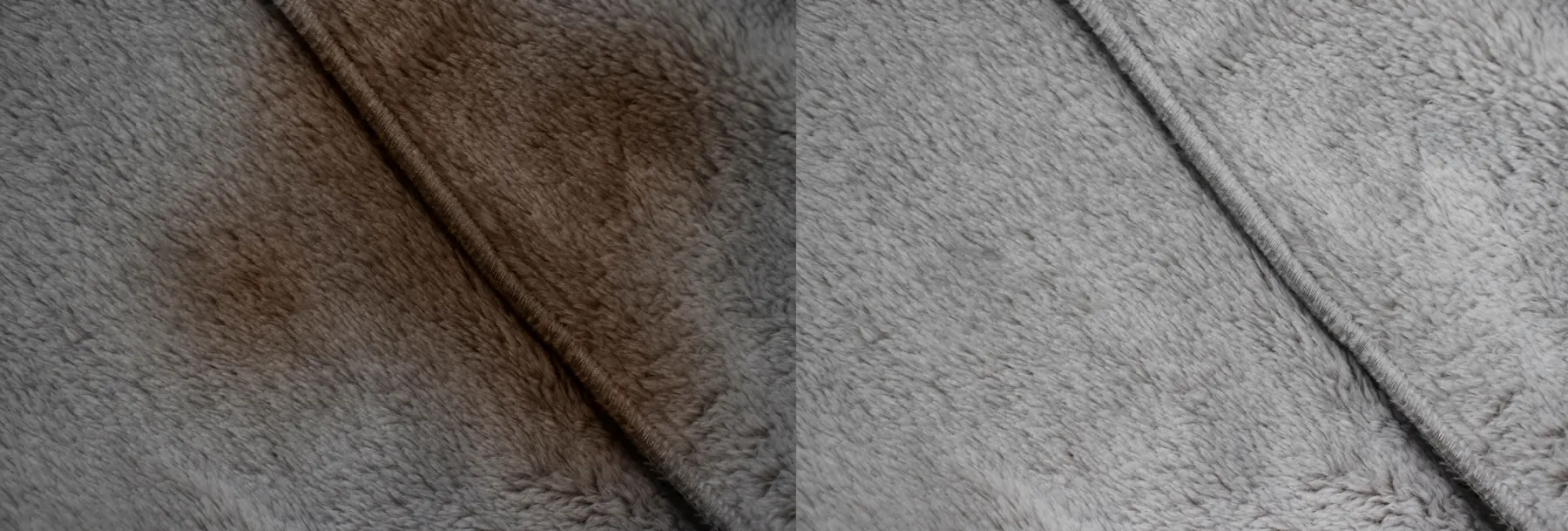
You cleaned the spot. It looked right when it dried. Three days later there is a faint brown ring in exactly the same place, slightly bigger than the original. The stain did not resist the cleaning and it did not come back from nowhere. Something specific happened, and there are really only two candidates.
The stain did not come back, it came up
When something gets spilled, it does not stop at the surface of the pile. Liquid runs down the fibre, through the pile, into the backing, and in a bad case into the underlay below. You clean the top. The top is where you can see, and it is where a cloth or a domestic machine reaches. Everything that soaked past that point stays put, sitting in the backing, wet.
Then the carpet starts to dry. Moisture in the backing travels up the fibre towards the surface because that is where evaporation happens, and it carries dissolved material with it. The sugar, the tannin, the dye, the grease: all of it gets delivered back to the tips of the pile and left there as the water leaves. That is wicking. It explains why the returning mark is usually a ring or a halo rather than a solid patch, and why it is often wider than the spill was.
The fix is not more scrubbing. It is flushing that area properly with water and recovering it, repeatedly, so there is nothing left down in the backing to travel.
Residue is the other half of it
Rent a machine from the supermarket, or work on a spot with a household spot cleaner, and you put detergent into the carpet. Almost nobody then rinses it out, because the machine and the bottle are not really set up for rinsing. The surfactant stays in the fibre and it stays sticky. Carpet fibre is designed to shed dry soil; a patch coated in dried detergent does the opposite and grips it.
So the spot attracts dirt back to the same place faster than the rest of the room picks it up. Within a few weeks it looks like the original stain has returned, when what you are actually looking at is new soil sitting on old soap. Clean it again the same way and the patch gets worse, because each round adds residue.
What a professional pass does differently
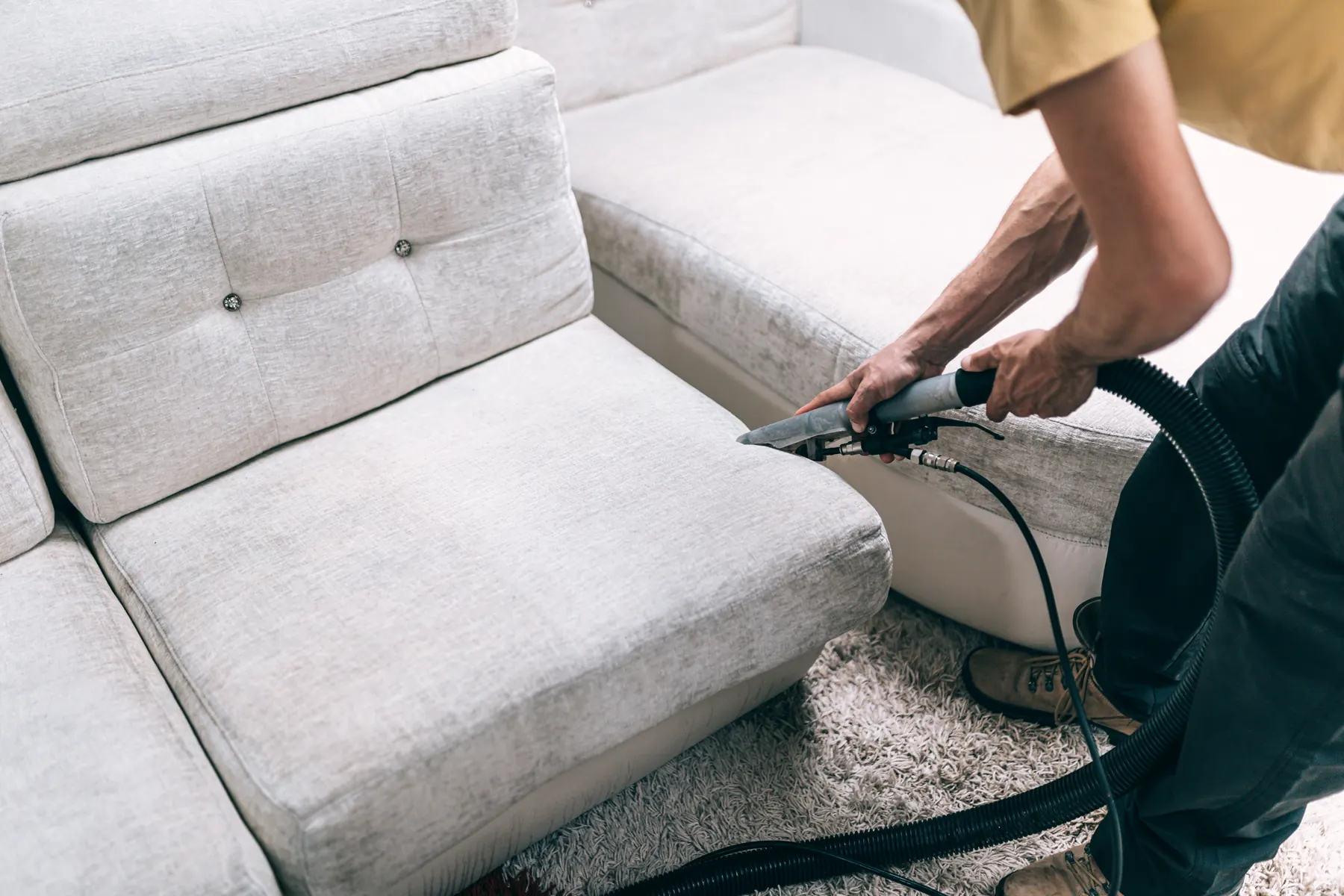
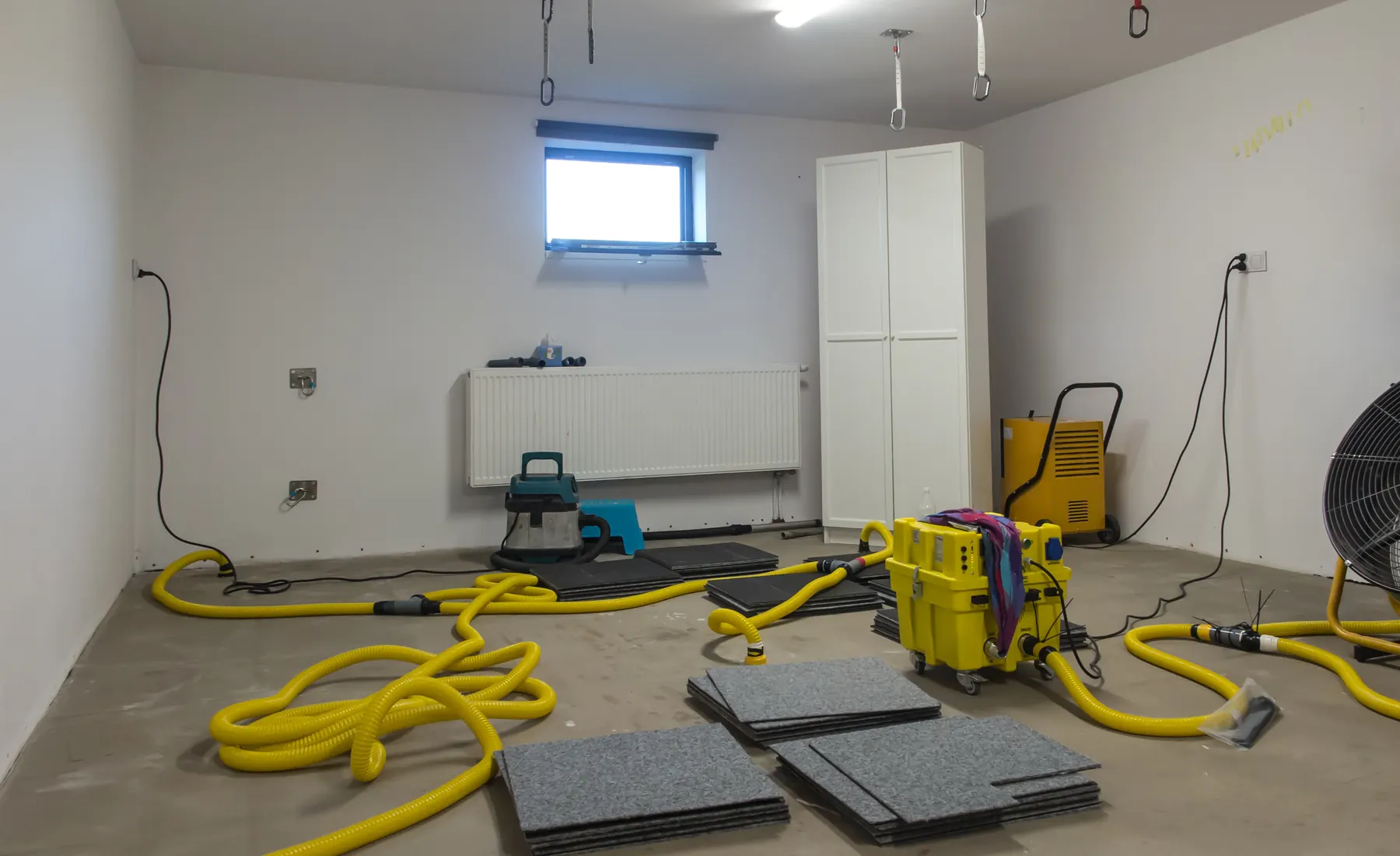
Three things, none of them glamorous. The solution goes in at the volume the job needs rather than the most the machine can push. The area is then rinsed with clean water and extracted out, often with a hand tool so the same spot can be flushed and recovered several times. And the carpet is dried fast, with dry passes and air movement, because the longer the backing stays wet the more time wicking has to work.
Where a spot has already wicked, the treatment is the same: flush, extract, dry quickly, and if it is stubborn, weight a thick white towel over it overnight so the moisture rises into the towel instead of into the pile tips.
What to do with a fresh spill
Blot, do not scrub. Scrubbing pushes the spill deeper and distorts the pile, and a fuzzed patch shows even after the colour is gone. Press a white cloth down, lift, move to a dry part of the cloth, repeat. Work from the outside in. Cool water is enough for most things and it is the one liquid that leaves nothing behind. If you do use a product, use very little and rinse it out with water afterwards.
What nobody can remove
This is the part worth being straight about. Soil can be removed because it sits on or in the fibre. Some things are not soil. Paint has bonded, and removing it means removing fibre with it. Bleach, benzoyl peroxide acne cream, some household cleaners and a few medications have destroyed the dye: the colour is gone, not covered, and extraction cannot put colour back. Dye transfer from a rug backing, a cardboard box or a pet treatment is effectively a new dye job in the fibre. Sun fading is permanent.
For those, the honest options are a repair, a patch from an offcut, spot dyeing by a specialist, or living with it. AllCleaner will tell you which category a mark is in before any work is booked, because a cleaning pass on dye damage only buys you a cleaner version of the same problem.