Post-renovation cleaning in Toronto: what homeowners need to know
Construction dust is not household dust and it does not behave like it. What the final clean after a renovation actually involves, the places that get missed, and what it costs.
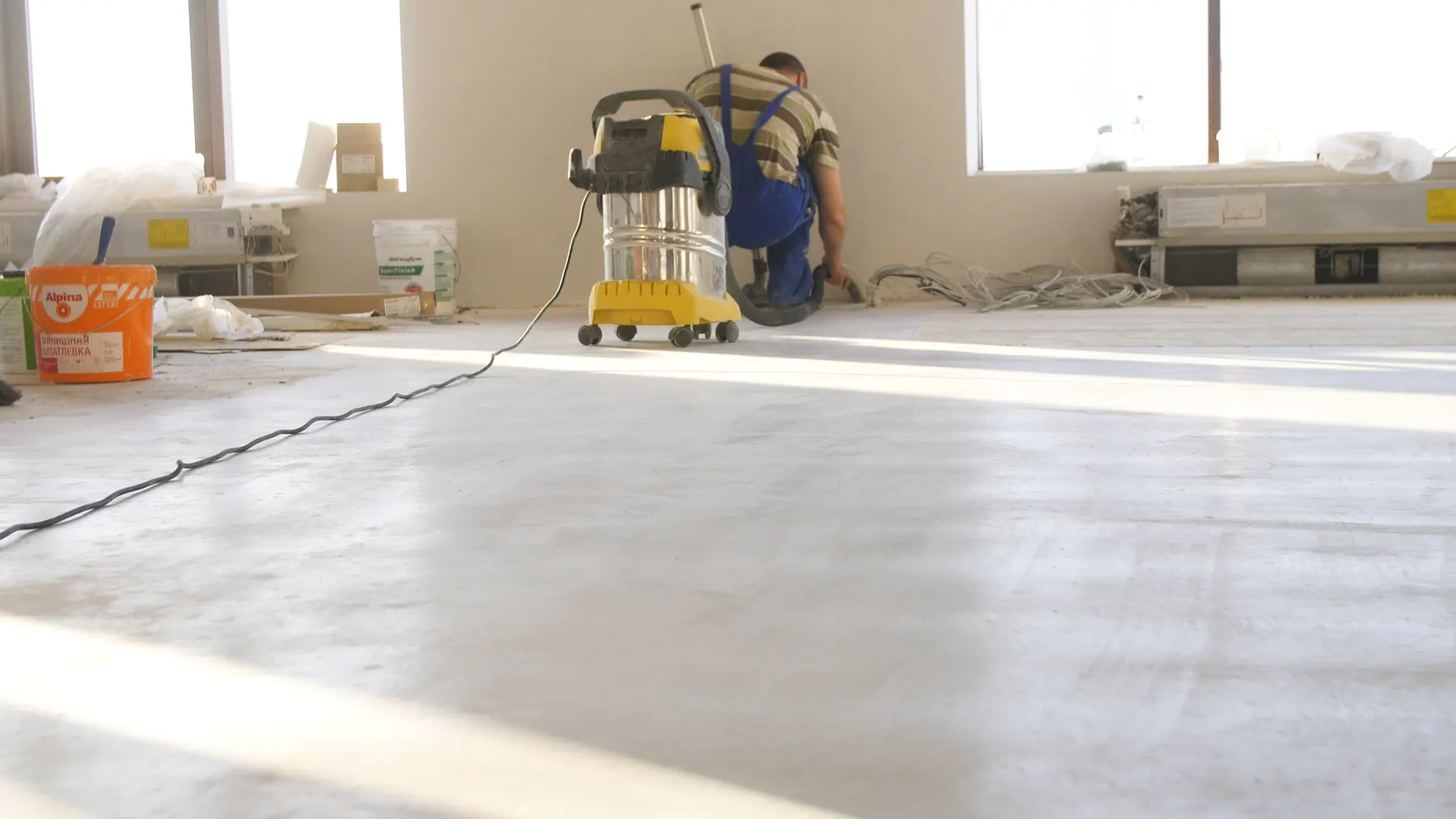
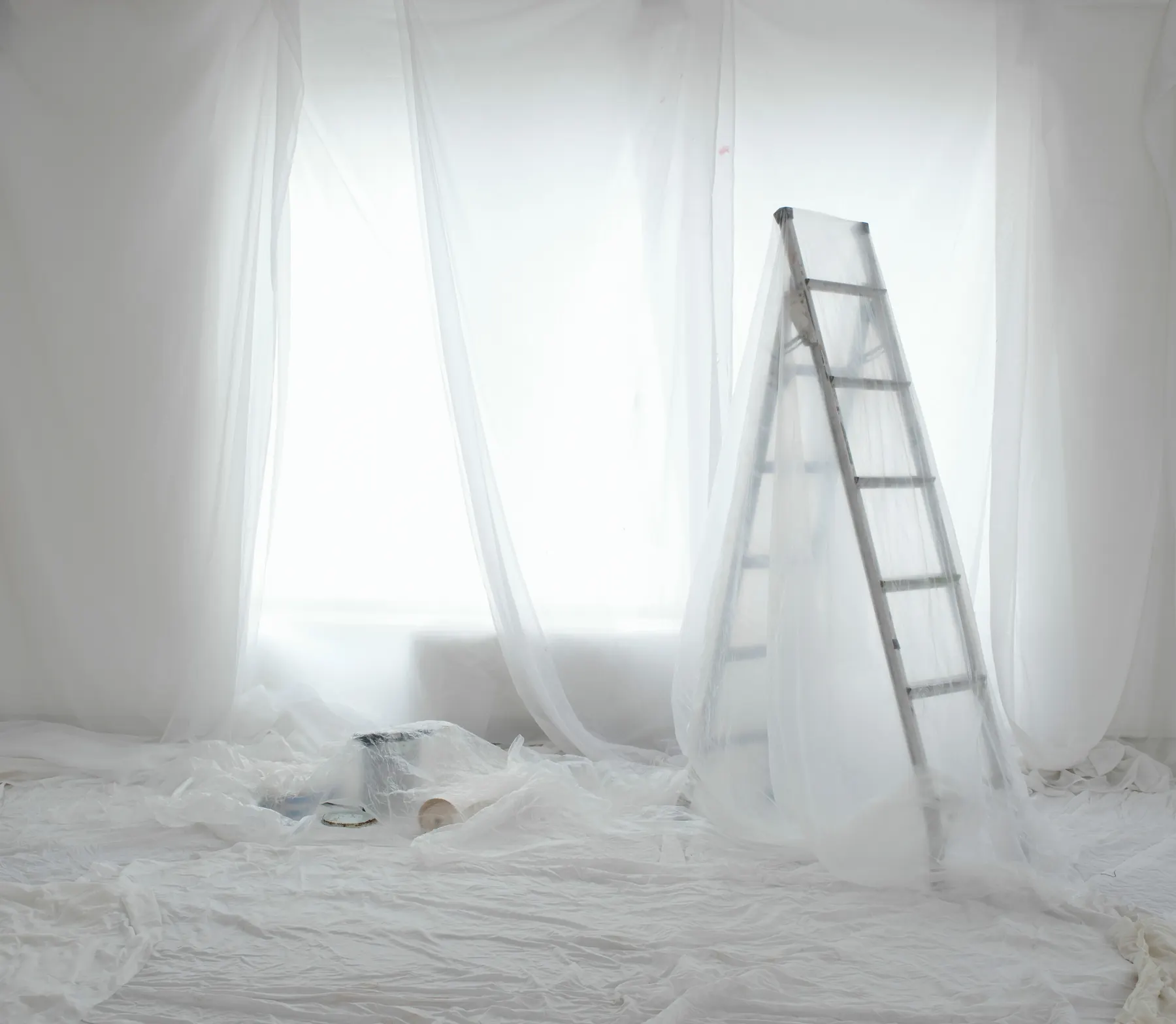
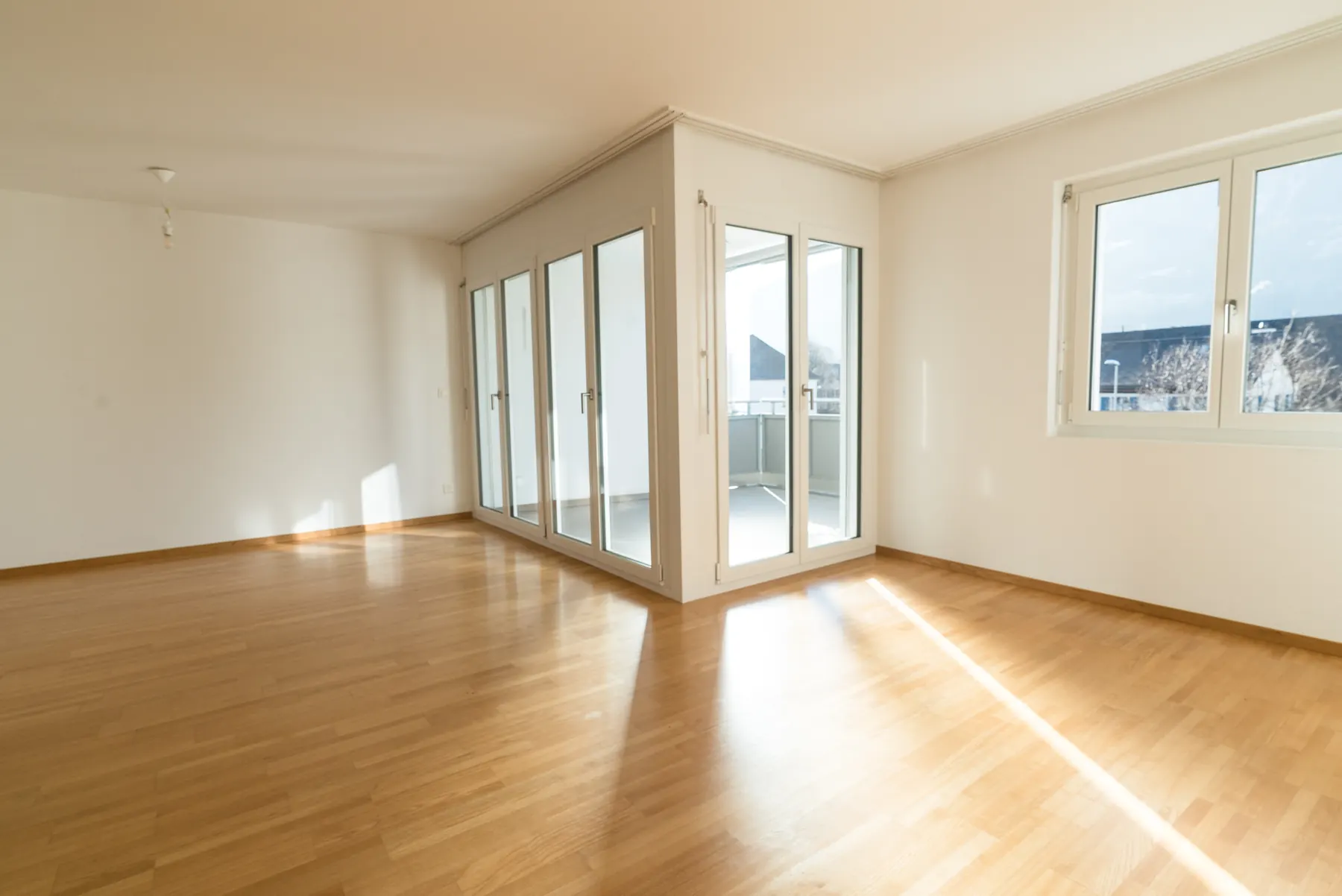
The trades pack up, the floor is in, the room looks finished. A week later there is a grey film back on the windowsills and the tops of the doors. That is not a failure of whoever cleaned it. It is what construction dust does, and it is the reason the clean at the end of a renovation is a different job from a deep clean.
Why construction dust behaves differently
Household dust is mostly skin, fabric fibre and hair. It settles where you can see it, and a vacuum and a damp cloth deal with it. Renovation dust is ground mineral. Gypsum from cut and sanded drywall, silica from concrete, brick, mortar and tile, plus sawdust and dried paint solids. Drywall sanding in particular throws off particles fine enough to stay suspended for hours in a ventilated room and for days in a closed one.
That has two consequences. The first is that the dust reaches places ordinary dust never gets to: inside closed cabinets, behind drawer fronts, into light fittings, down inside window channels. The second is that it keeps coming back. A clean carried out while a trim carpenter is still cutting, or the day before a floor gets sanded, is undone by the time you walk back in. Whatever is still airborne lands on the surfaces you just wiped.
One safety point worth taking seriously. Do not sweep masonry, mortar or tile dust dry, and do not run a household vacuum over it. Crystalline silica is a respiratory hazard, and a dry broom or a machine without proper filtration puts it straight back into the air you are breathing. Mist the area lightly, use a HEPA vacuum, and finish with a wet wipe.
The three-pass method, and why it is three
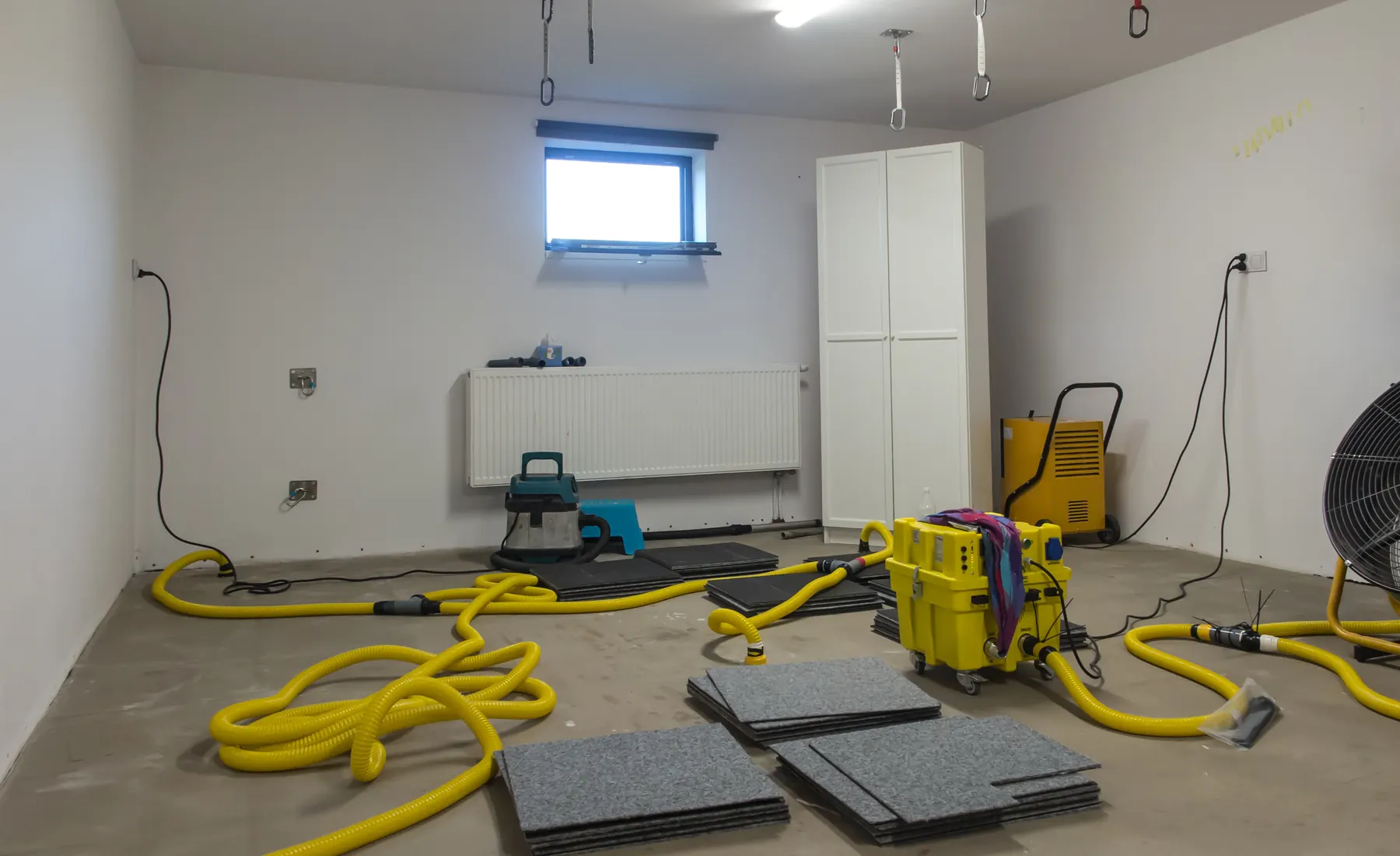
The first pass is dry removal, working top down. Ceilings and light fittings, then walls, then trim and doors, then the floor last. Debris and heavy dust come up with a HEPA vacuum rather than a broom, and the order matters: anything you dislodge falls onto ground you have not covered yet.
The second pass is wet. Damp microfibre over every hard surface, cloths changed constantly, because gypsum dust turns to paste and a loaded cloth only moves it around. Same order, high to low. Glass, hardware and fixtures get done here, since the dry pass leaves a fine haze on everything.
The third pass comes after a gap, ideally a day. By then whatever was left in the air has landed, and this is the pass that makes the result hold. It is also the pass that gets skipped, which is why rooms look dusty again a week after they were cleaned.
The places that get missed
- The tops of door frames and the lip above every doorway.
- Inside light fittings, including the top of the shade and the bulb itself.
- Window tracks and sash channels, where drywall dust mixes with damp and sets hard.
- HVAC returns and supply registers, and the furnace filter, which should be replaced rather than cleaned. Dust pulled into the ducts will recirculate for months.
- Inside cabinets, drawers and drawer runners, new ones included. They were installed in a dusty room.
- Radiator and baseboard heater fins, which hold dust and then bake it on when the heat comes up.
- Ceiling fan blades, electrical plates, and the recesses around pot lights.
Carpet after a renovation needs extraction
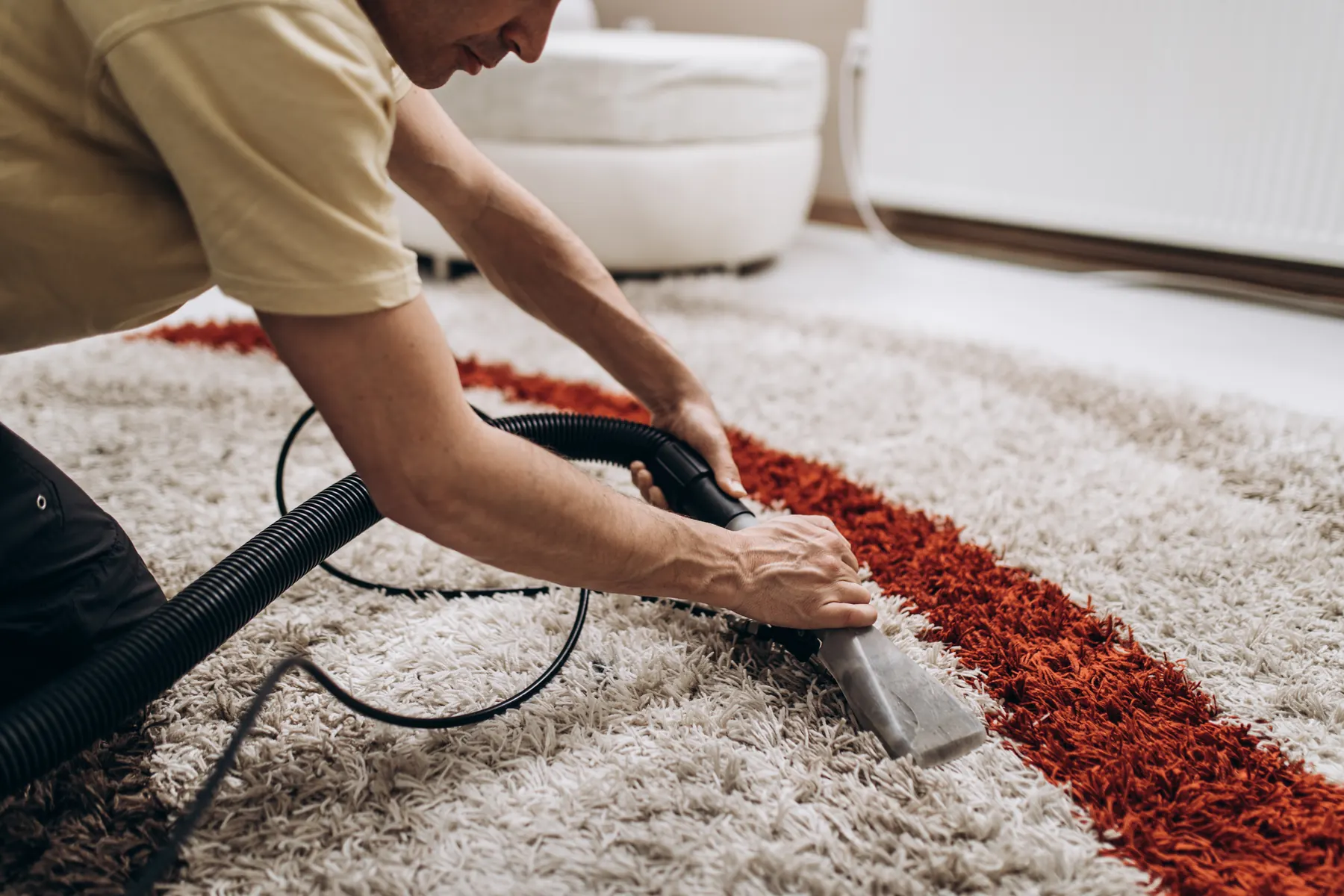
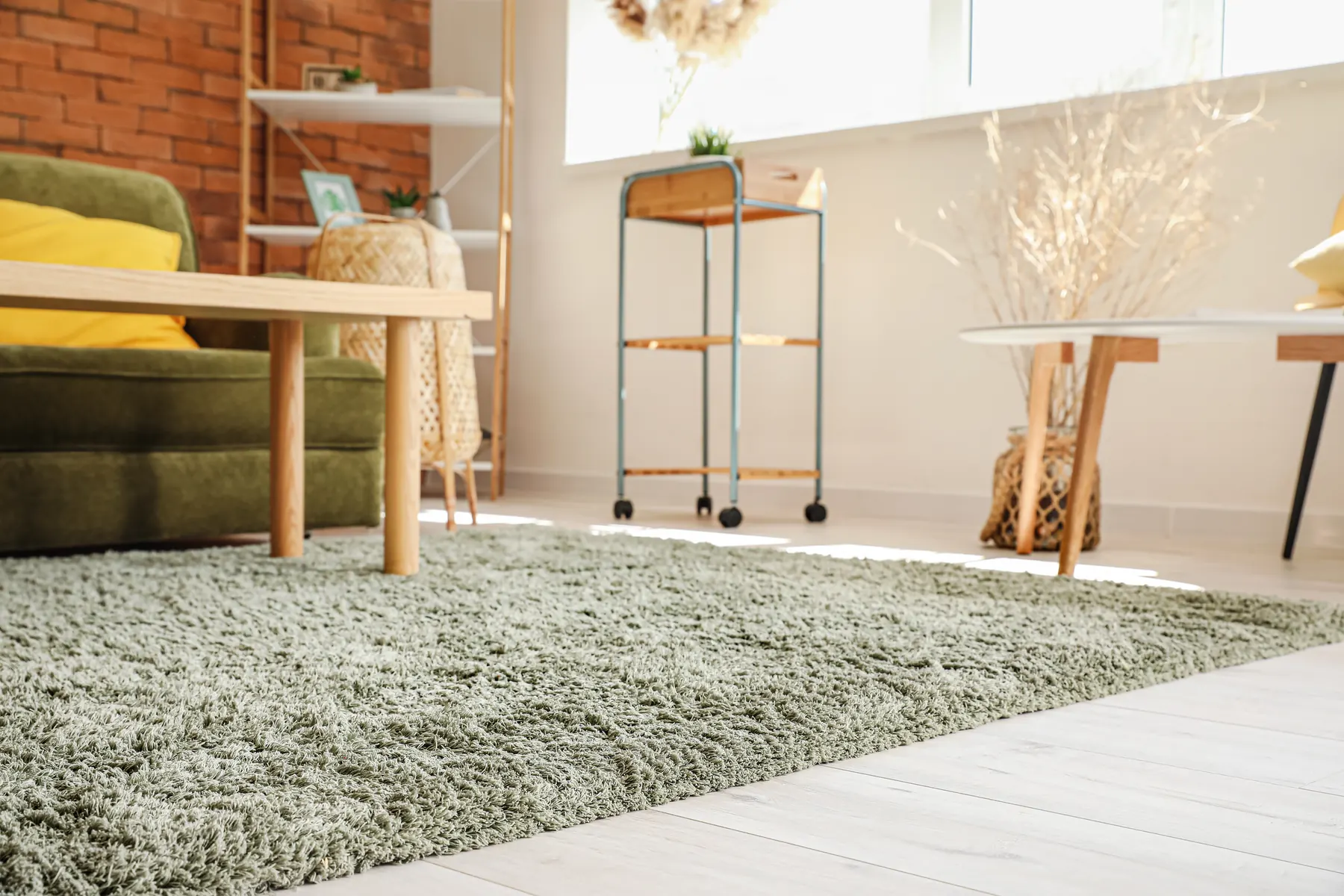
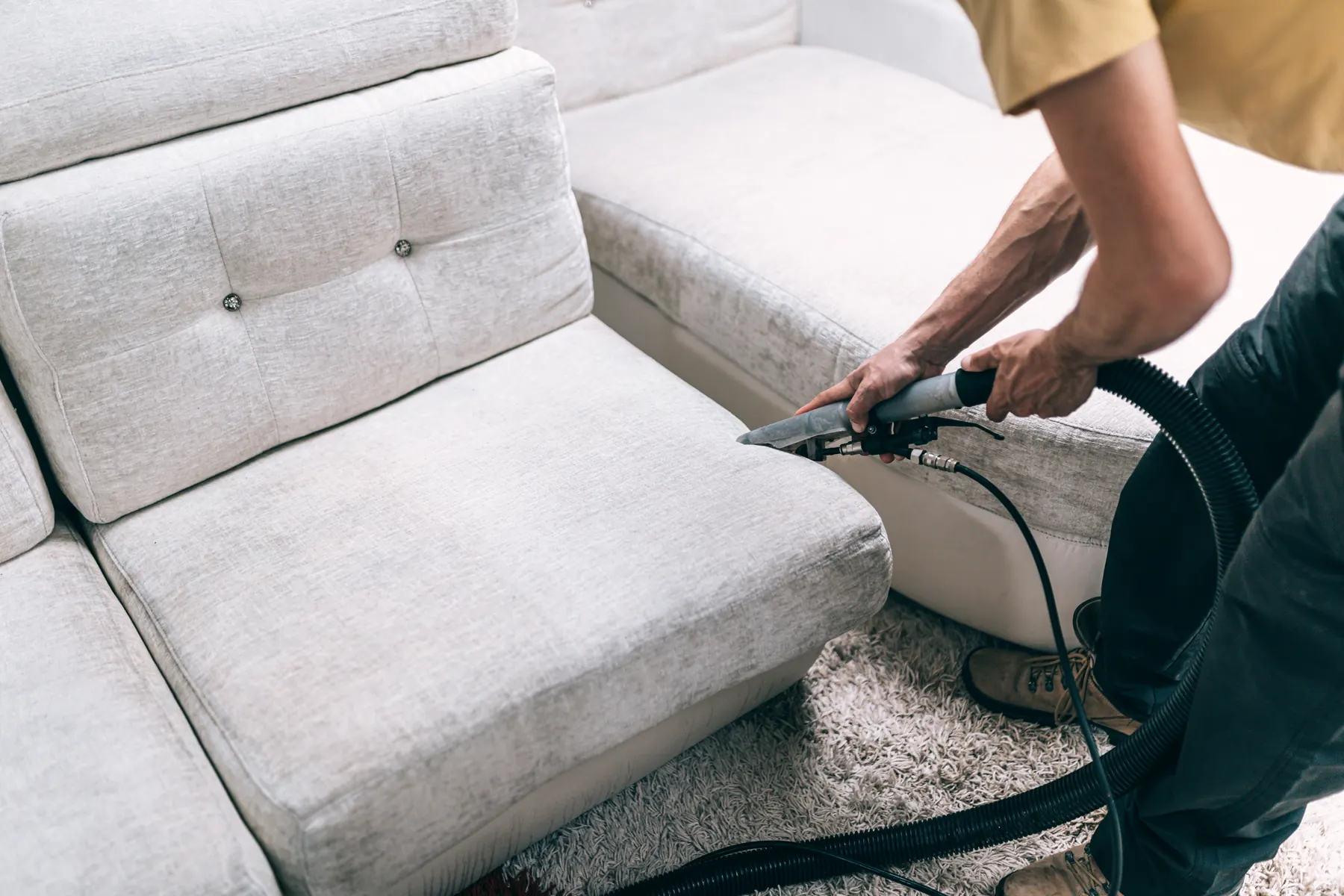
If carpet stayed down through the work, vacuuming will not finish the job, even with a good machine. Fine mineral dust sifts through the pile to the backing, below the reach of a beater bar, and sits there grinding at the fibre every time somebody crosses the room. Hot water extraction is what removes it: the pile is flushed and the water is pulled back out with the dust in it.
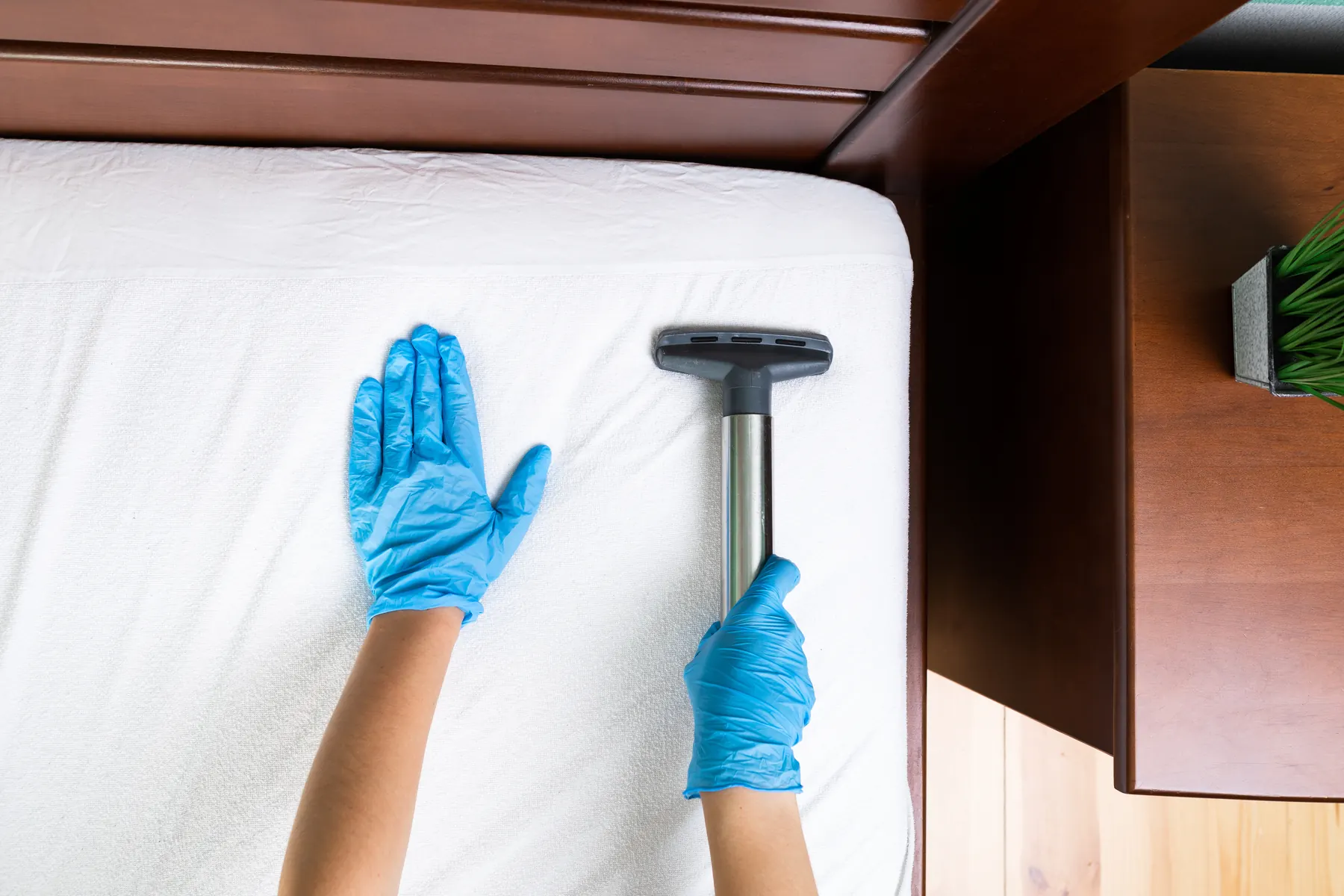
The same goes for upholstery and mattresses that were in the building. If a room was sealed off properly with sheeting and tape, a thorough vacuum may be enough. If dust sheets were the only protection, assume the dust went under them.
When to book it, and what it costs
Book the final clean after the last trade is finished, not between trades. That means after the paint has cured, after the flooring is laid and sanded, after the electrician has been back to hang the fittings, and before your furniture arrives. Finish before the delivery van turns up: a new sofa is very good at absorbing whatever is left in the air.
If the job is running in phases, a rough clear out between phases is sensible, but treat it as separate work and do not expect it to be final.
For a 2,000 square foot flat, post-renovation cleaning runs $250 to $600. Where you land depends on the amount of dust, the number of surfaces, and whether carpets and windows are in scope. AllCleaner confirms the figure before the work starts and will walk the property with you first if the scope is not obvious. Carpet extraction is quoted on top, by the room or by the square foot.