What a move-out clean actually covers
Written for a Toronto tenant handing back keys and for a buyer cleaning a house before the furniture arrives. What is in scope, what is not, and the order it has to happen in.
A move-out clean is not a deep clean with the furniture gone. It is a specific job with a specific end state: every surface in the property wiped, inside and out of everything that opens, and nothing left behind. Two kinds of people book it. A tenant who wants the handover to go without argument, and a buyer who has just seen what the previous owner left behind the fridge.
What a standard move-out clean covers
Scope varies between companies, so get it in writing. A normal scope includes:
- Kitchen: inside and outside of all cupboards and drawers, counters, backsplash, sink and taps, inside the oven including racks and the door glass, the stovetop and the range hood filter, inside and behind the fridge where it can be reached, the dishwasher seal and filter.
- Bathrooms: descaling the shower, tiles and grout lines, glass, taps, the toilet including the base and behind it, mirrors, extractor covers, cabinets inside.
- Throughout: light switches and plates, door handles, doors and frames including the tops, baseboards, window sills and interior glass, radiators, closet interiors and shelves, vents and registers, cobwebs, and floors vacuumed and washed last.
What is usually extra
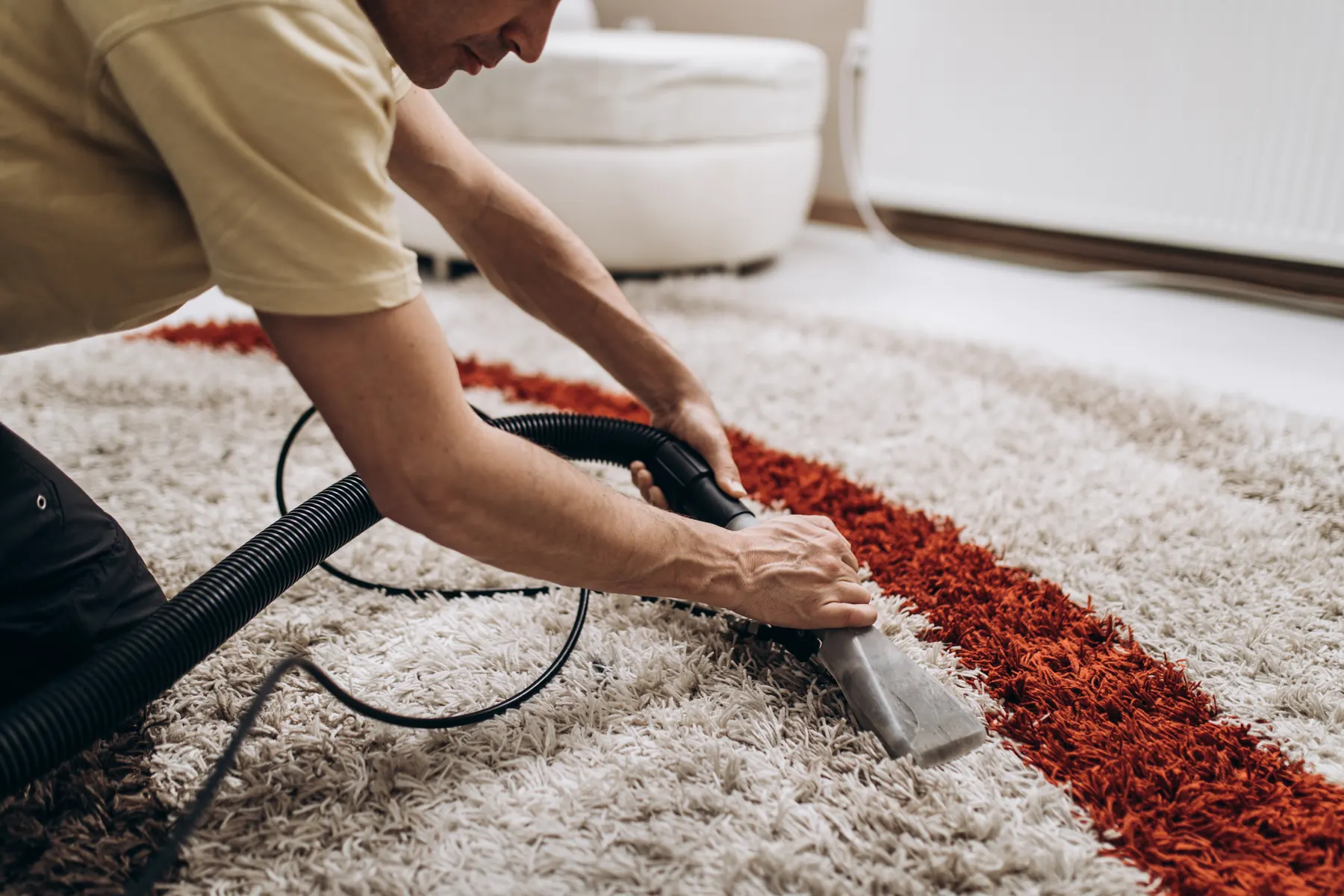
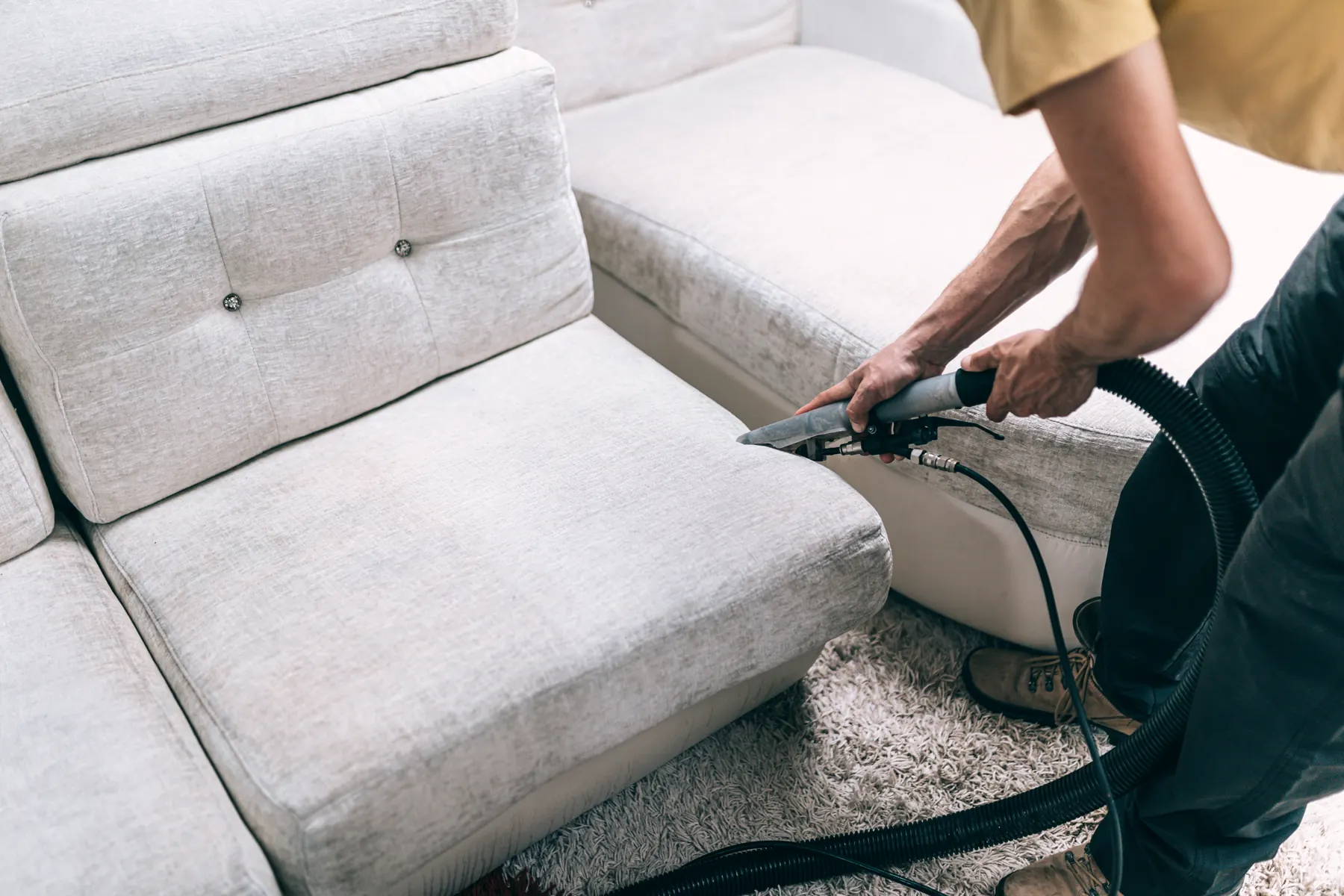
Carpet extraction is separate work and separate equipment, quoted by the room or by the square foot. So are exterior windows, balconies, garages, storage basements, and wall washing beyond spot cleaning. Heavy grease in a kitchen that has not been cleaned in years takes longer than an hourly estimate assumes.
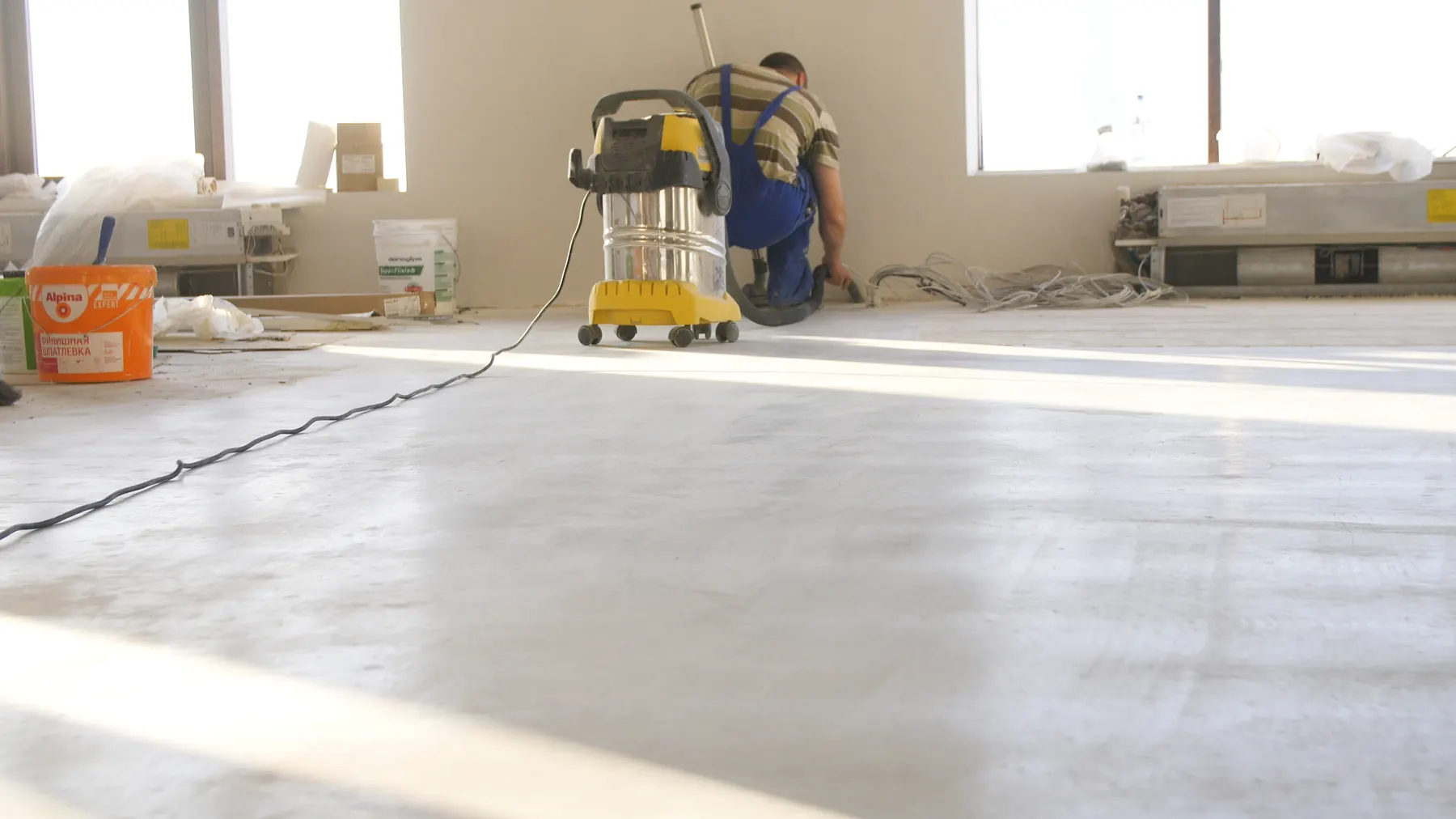
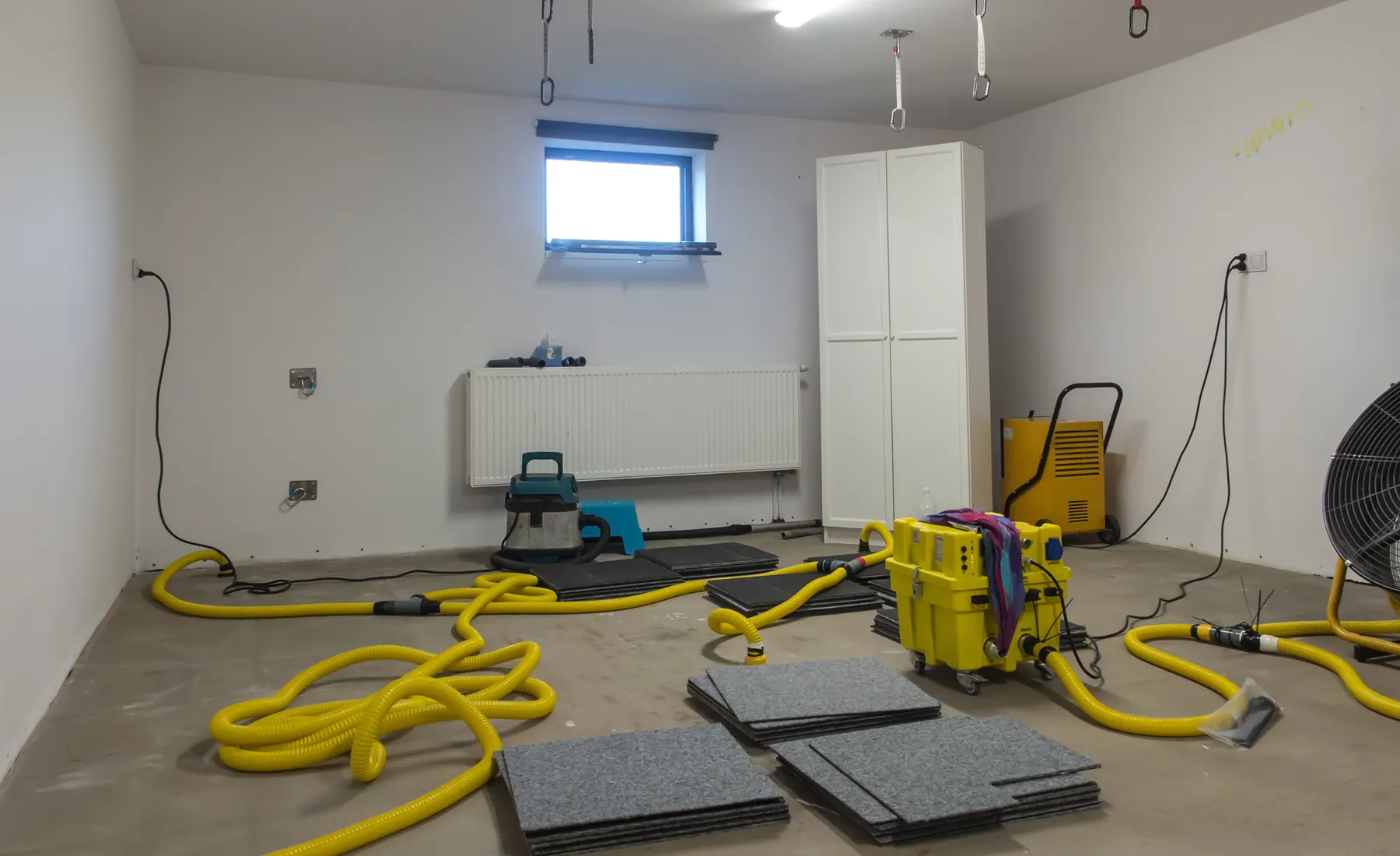
Some things are not cleaning at all, and no cleaner should suggest otherwise: holes in walls, paint damage, mould behind a wall, anything that needs a trade. Construction dust from a renovation is a different job again, with a different method.
Empty first, or you pay to clean around boxes
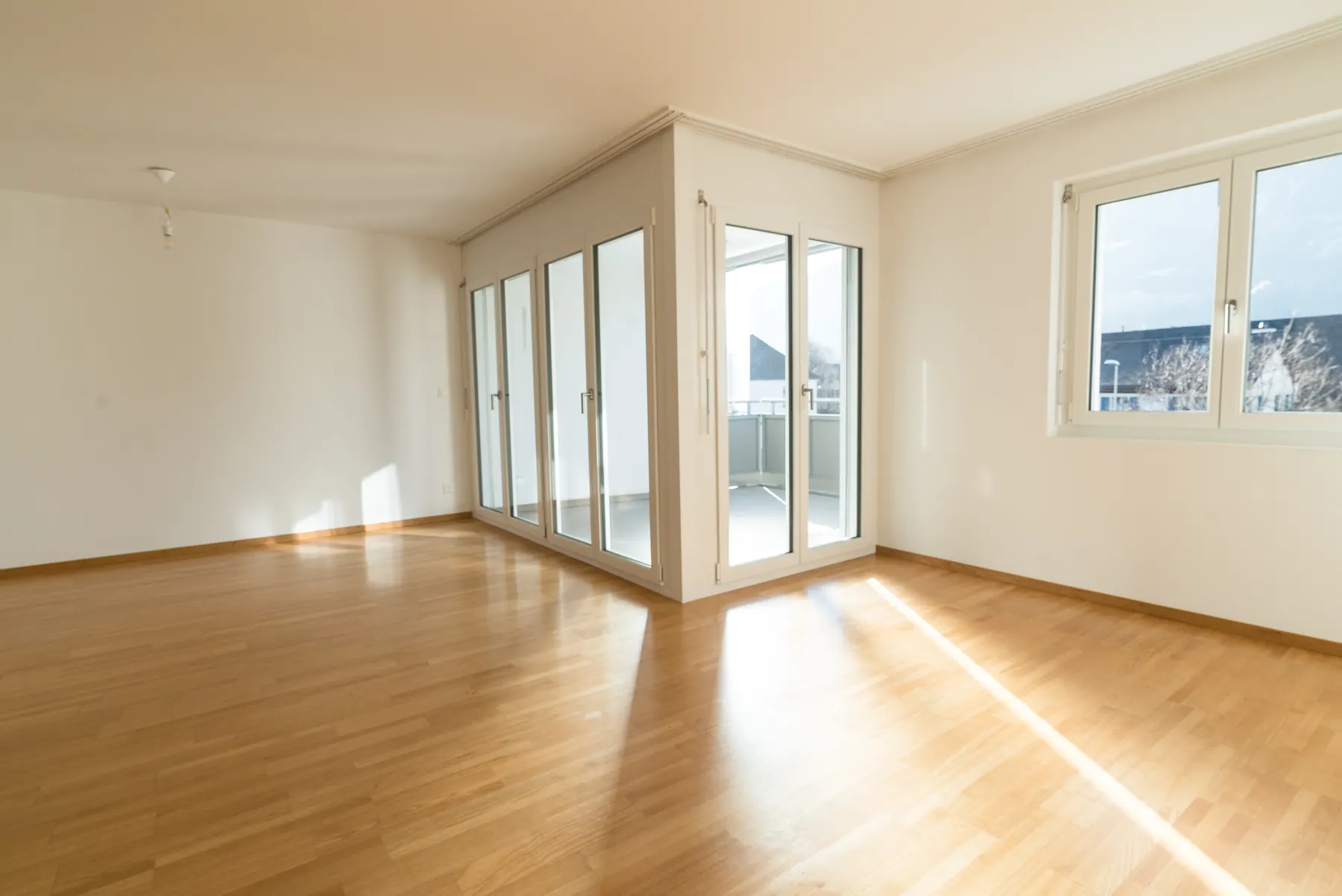
The order is not negotiable. The property has to be empty before the clean starts: no furniture, no boxes in the hall, no bags waiting for a second car trip. A cleaner working around your possessions cleans less for more money, because half the time goes on moving things and the part of the floor under the box does not get done at all.
Empty also means the cupboards: every drawer, the bathroom cabinet, the hall closet, the space under the sink. Then leave the utilities on. Cleaning a property with no hot water and no power is close to impossible, and in January a cold flat will not dry.
Timing it
Tenants: book the clean for the last day you have access, after the van has gone, and not the morning the new tenant arrives. If your lease ends on the last day of the month, that day is usually the only window, and it books out. Arrange it well ahead.
Buyers: a clean between closing and the moving truck is the easiest one to get right, because the house is empty and yours. If the furniture lands the same day, book the clean first thing and stage the delivery for the afternoon.
If there is an inspection or a walkthrough, have the clean finished before it, not the same hour. Floors need drying time and a wet bathroom floor at an inspection looks like a problem rather than a clean.
What it costs, and the deposit question
Pricing depends on the scope, the number of cleaners, and the size of the home, whether it is a studio, a one bedroom or a larger house. AllCleaner confirms the price before the work starts, so call 647-697-7435 for a quote. We bring our own equipment and solutions, so there is nothing you need to leave behind in the cupboard.
Now the part that gets misrepresented in adverts. In Ontario a landlord cannot collect a damage deposit. What the law allows is a rent deposit, and it has to be applied to the last rent period of the tenancy, which is usually the final month. There is no pot of damage money waiting to be returned to you, so no cleaning company can honestly promise to get your deposit back. What a good clean does is remove the argument. A landlord who wants to charge for cleaning has to show the cost was incurred, and a property handed back clean is a hard thing to build a claim against. Photograph every room yourself on the way out, with the lights on.

Filed under Moving and renovation. More in the blog.
Keep reading
More on moving and renovation, and close to it.

Should you clean the carpets before selling a house?
Carpet shows up in listing photos and in the first breath a buyer takes at the door. How to decide between cleaning and replacing, where the clean belongs in the run-up to listing, and what else is worth doing on the same day.
Condo move-out checklist for Toronto: elevator, fob, inspection
Moving out of a condo is two jobs at once. The lease says what the unit should look like, and the building says when you may use the elevator to get out of it. A checklist that puts both in the right order.

How do you clean construction dust after a renovation?
The fine grey film after a renovation will not come off the way household dust does. What you can do yourself with a vacuum and a bucket, what needs equipment, and the dust you should not touch at all.