The first hour of a water leak: what to do, in order
The water is on the floor and it is still arriving. What to do in the next sixty minutes, in order, and the one habit that turns a dry-out into a rebuild.
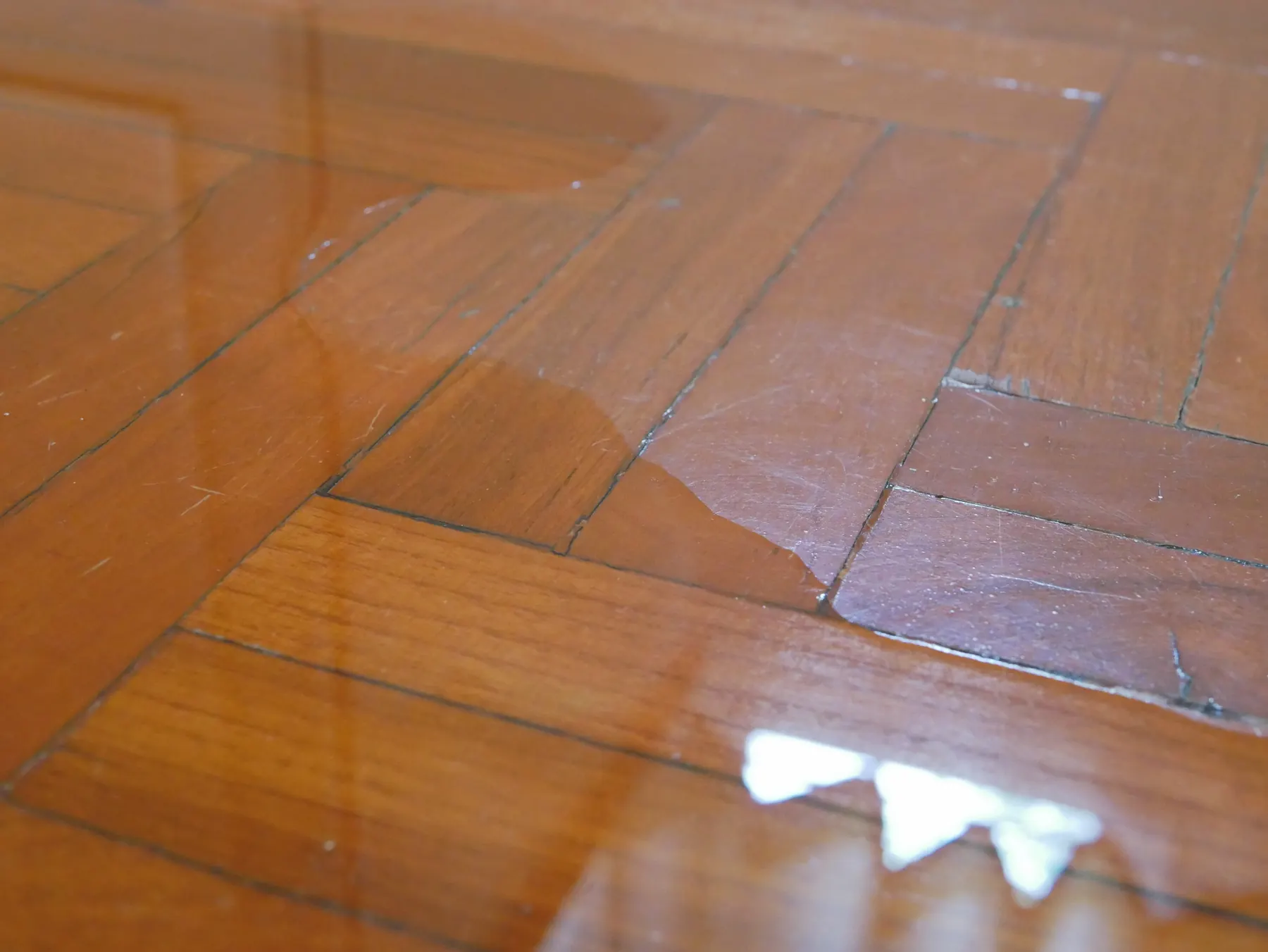
A washing machine hose lets go. A toilet supply line splits. The upstairs bath overflows while somebody is on the phone. The water is on the floor and it is still arriving, and what you do in the next hour counts for more than anything else that happens this week. The damage is not the puddle you can see. The damage is how far the water gets before something stops it.
Know where the shut-off is before you need it
Every house has a main shut-off. In most Toronto houses it sits in the basement on the street side, near the water meter, and it is either a lever or a round handle. Condos normally have a valve for the unit, often in a service closet or behind an access panel in the bathroom ceiling. Find yours this week. Turn it, confirm it moves, turn it back. A valve nobody has touched in years can seize, and finding that out while water comes through a ceiling is a bad time to find it out.
If the leak is at a fixture there is usually a local valve too: under the sink, behind the toilet, on the line to the washing machine. Close that one first if you can reach it without wading. If it will not move, go to the main. Once the main is off, open the lowest tap in the house to drain the pressure out of the pipes.
If water is anywhere near an outlet, go to the panel
Water on a floor that also has a receptacle, a power bar, a lamp cord or a heating mat in it is an electrical problem before it is a cleaning problem. Switch off the breaker for that circuit. If you cannot work out which circuit it is and the water is still spreading, shut off the main breaker. Do not stand in the water to reach a switch, and do not pull a plug out of a wet outlet.
Ceilings are the other hazard. A ceiling holding water stains and sags first and then lets go. Keep everybody out from under it, and do not poke it to see how bad it is.
Photograph everything before you touch it
This is the step people skip, and it is the one the insurer asks about. Before you move a box or lift a rug, take pictures. Wide shots of each affected room from the doorway. Close shots of the water line on the baseboards, on the furniture legs, on the bottom edge of the drywall. The source, if it is visible. The label or serial number on whatever failed. Then a slow video walk through, saying out loud what you are looking at.
Keep whatever got wet until the claim is settled, or photograph it before it goes out. Note the time you found the water. A claim with no pictures is a conversation about what you remember.
Lift what you can, and leave the household vacuum alone
Get things up off the floor: cardboard, books, paper, rugs, electronics, anything with a wooden leg standing in water. Slide foil or a plastic lid under feet you cannot move, because stained wood and metal glides mark wet carpet and the mark stays. Open interior and closet doors so air can move.
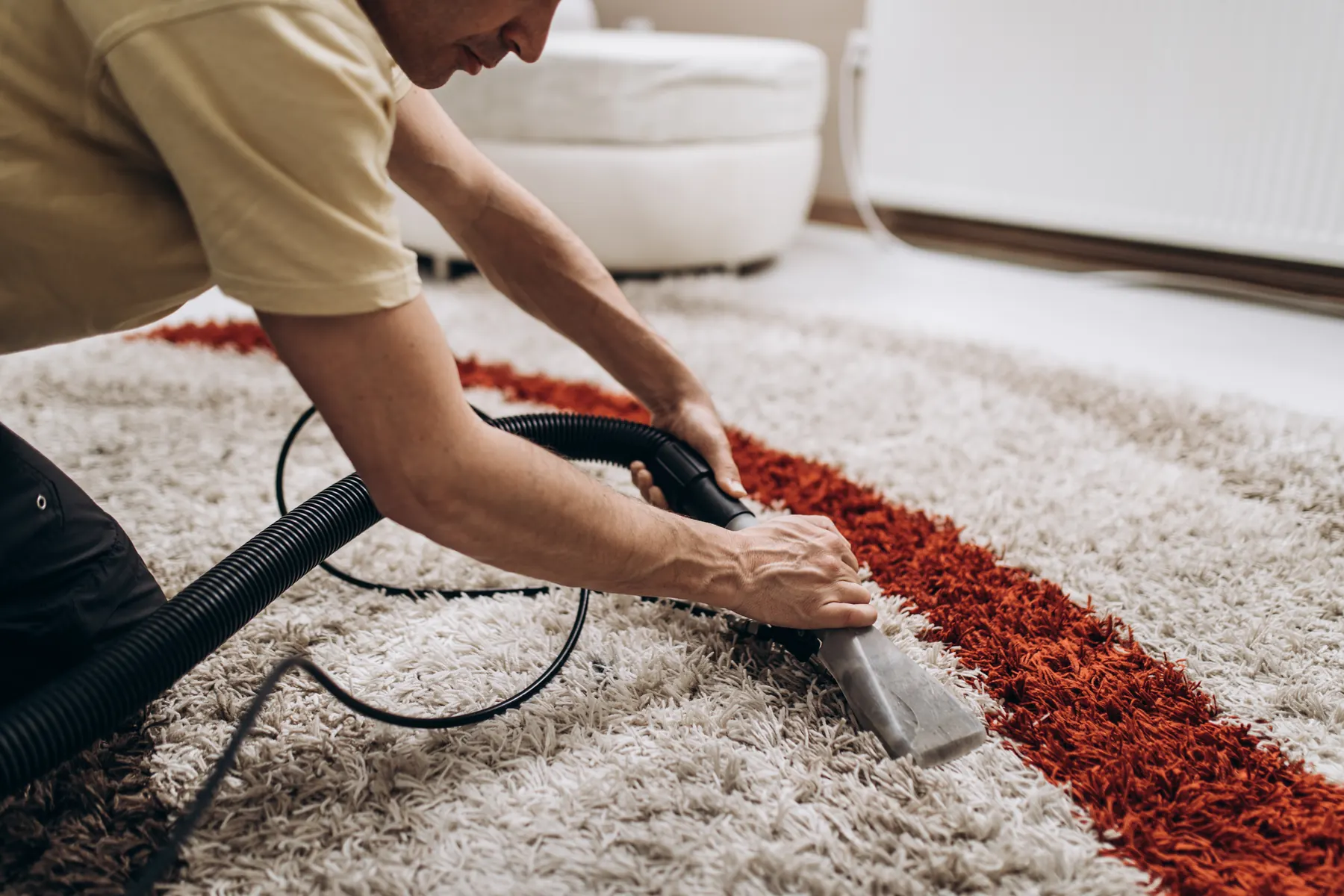
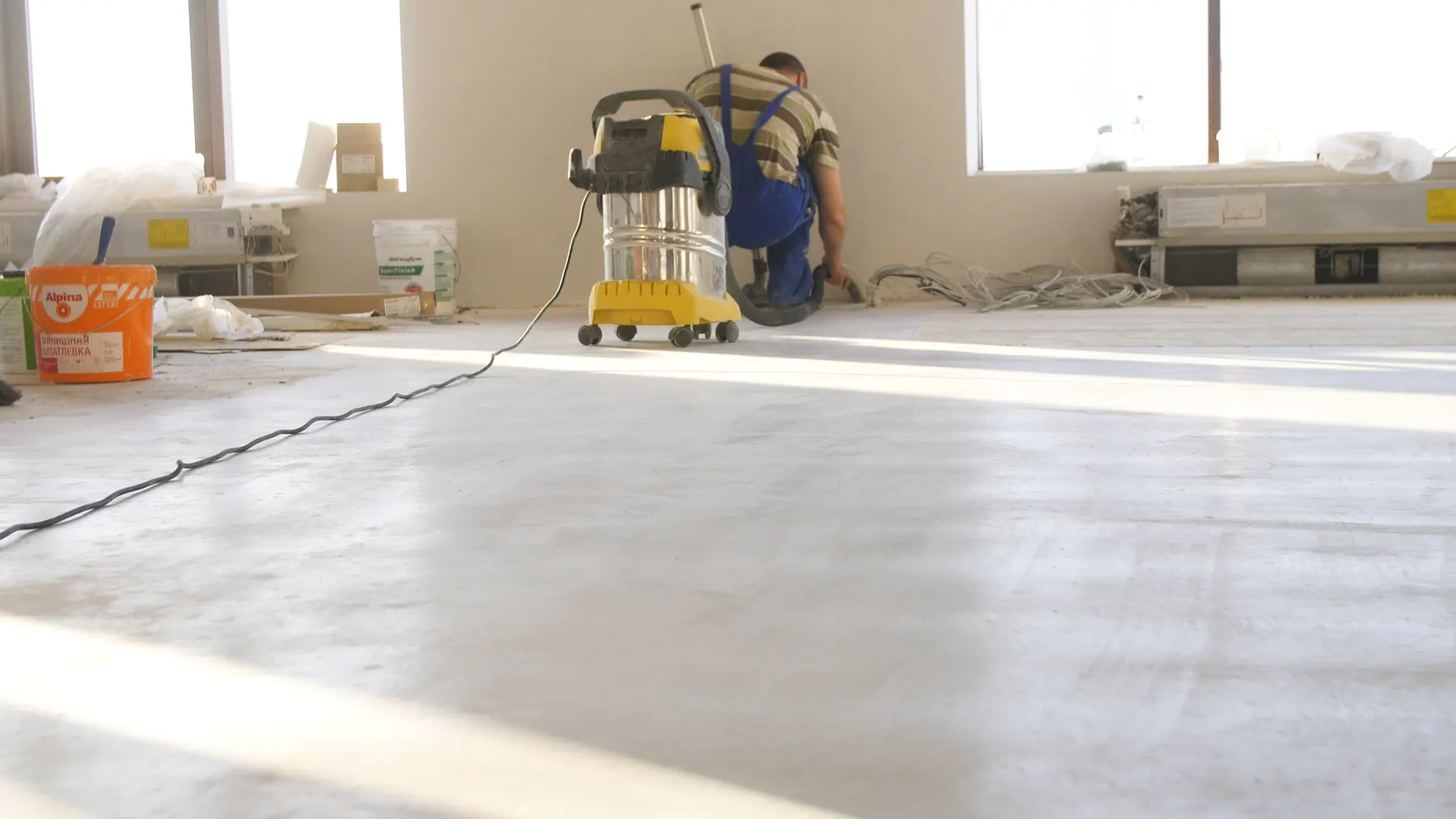
Do not run a household vacuum over standing water. A dry machine is not sealed for it, water reaches the motor, and you are then holding a metal tube wired to a live circuit. A wet-dry shop vacuum is built for the job, on a circuit you know is safe, but understand its limit: it lifts what is sitting on top and takes almost nothing out of an underlay or a subfloor.
Why mopping first and calling later costs money
Drywall wicks. Water that reaches the bottom of a wall climbs the gypsum core and the paper facing, and it keeps climbing after the floor looks dry. It tracks along the bottom plate, under the baseboard, into the cavity and into insulation that will hold it for weeks. Laminate swells from the edges in. Engineered boards lift at the seams. Carpet underlay behaves like a sponge and hands the water down to the subfloor.
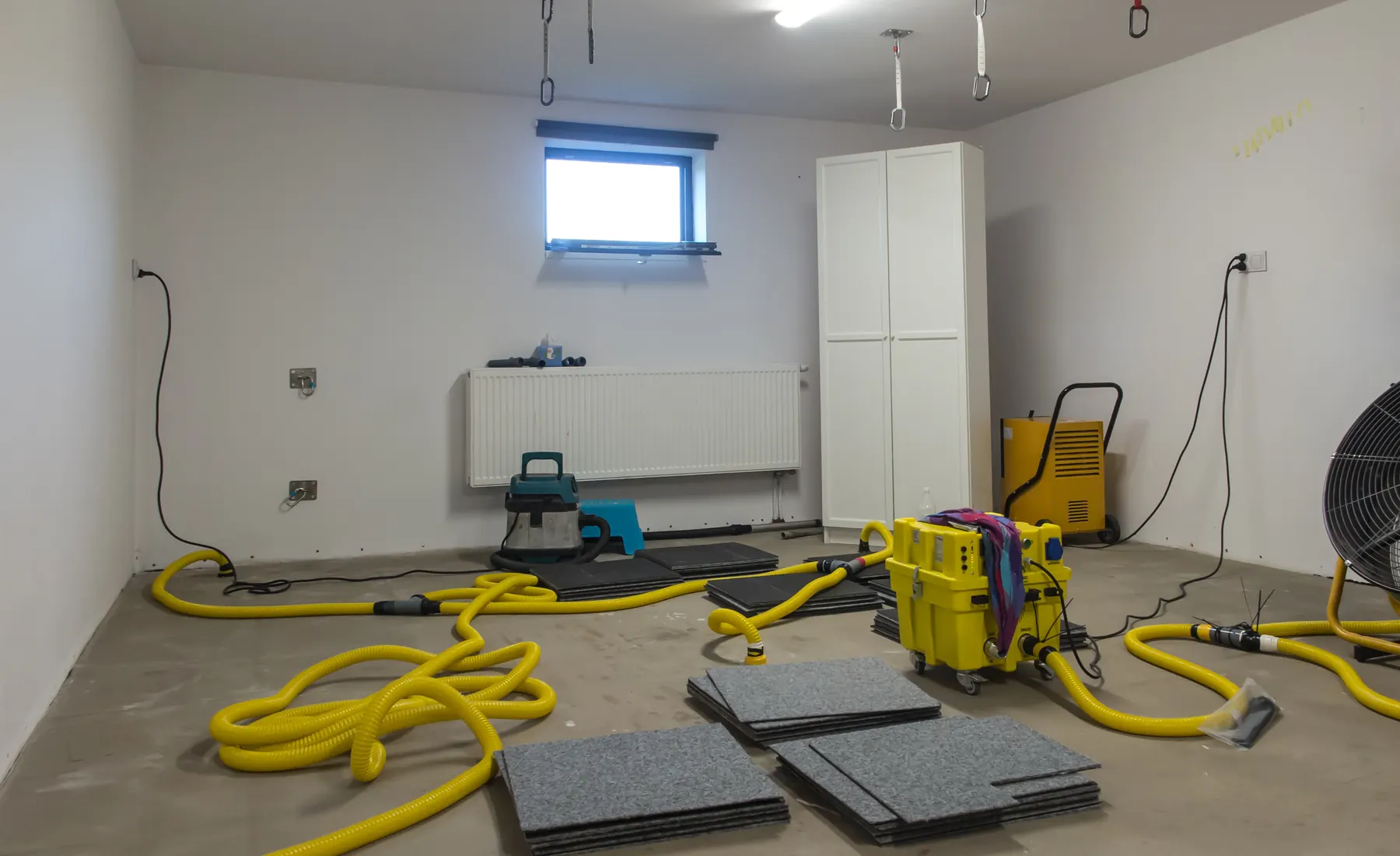
None of that shows up on the mop. The difference between a dry-out and a rebuild is measured in hours: whether the cavity gets opened and dried while it is still only wet, or whether it stays shut and becomes new flooring and a drywall cut. On the published rates, one small wet area runs $1,500 to $3,500, a room that flooded runs $4,000 to $7,500, and a full basement runs $5,000 to $25,000. What separates those lines is mostly time.
So make the call while the floor is still wet. The AllCleaner emergency line is answered 24 hours, the first questions will be where the water came from, whether it is off and how far it has spread, and the damage can be documented for your insurer while it is being dried.