
Ice dam leaking through the ceiling: what to do inside the house
The leak shows up on a ceiling in the middle of winter, often with no rain in sight. Where the water is really coming from, what to do inside while it drips, and why the stain is the smaller problem.
Water on the floor now? Call 647-697-7435, answered 24 hours
An ice dam is a ridge of ice along the roof edge that traps meltwater behind it. The water backs up under the shingles and finds its way into the attic, the insulation and then the ceiling. Inside, catch the drips, keep clear of wet light fittings, move your belongings and photograph the stain. Leave the roof to a roofer. The wet insulation and drywall need drying quickly.
AllCleaner does not do roofing and does not replace attic insulation. What we do is the inside of the house: extraction, drying the ceiling and walls, checking how far the water went, and documenting it for your insurer.
What is an ice dam, and why does it leak indoors?
An ice dam forms when heat from the house melts snow on the upper part of the roof and the water refreezes at the colder eaves. Each melt adds to the ridge, and the pool of water behind it has nowhere to go but sideways, under the shingles. Shingles are built to shed water running downhill, not to hold back standing water.
The heat usually comes from below. Tarion, which administers Ontario's new home warranty, ties ice damming to the attic: its warranty standard on ice damming expects attics to have sufficient ventilation, air sealing and thermal insulation, and roofs to have adequate eaves protection, to minimize ice damming. It also names air leakage from the interior as a cause.
That is why an ice dam leak often appears:
- on a ceiling near an outside wall, below the eaves
- around a ceiling light or a bathroom fan, where warm air escapes into the attic
- days after a snowfall, on a sunny afternoon or during a mild spell
- with no rain at all
What do you do inside while it is still dripping?
Protect people first, then belongings, then record it. The water above the ceiling will keep coming while the ice holds, so the goal is to control where it lands until a roofer deals with the cause.
- Keep away from wet light fittings and switches. If water is coming through a fixture, turn that circuit off at the panel, from a dry spot. The Electrical Safety Authority strongly recommends a licensed electrical contractor to evaluate wiring that has been in water.
- Stay out from under a sagging ceiling. Drywall that is holding water can let go all at once.
- Catch the water. Buckets, a tarp or plastic sheeting under it, towels around the edges.
- Move what you can. Furniture, rugs, electronics and anything on the floor below. Wet carpet under a drip spreads the damage wider than the drip.
- Photograph it. The stain, the drip, the room, and the outside of the house with the ice along the eaves if you can see it safely from the ground.
- Call a roofer for the roof. Do not climb onto a snow-covered roof or hack at the ice from a ladder.
- Call your insurer. The Insurance Bureau of Canada says additional coverage for roof ice damming may be available for purchase, so ask about it by name.
If the water has also reached a floor or carpet, the first hour of a water leak covers the rest of the early steps.
What has to happen to the ceiling and insulation afterwards?
The ceiling has to be dried from the inside, and the insulation above it checked, before anyone paints. A ceiling that looks dry on the room side can still be wet on the attic side, and wet insulation sits on top of the drywall like a sponge.
A brown ring on the ceiling usually means wet insulation above it. If the drywall is soft, sagging or still damp a day later, it needs a moisture check, not paint. That is the point where a towel and a fan stop being enough.
What the work looks like:
| Situation | What usually happens |
|---|---|
| Small stain, drywall firm, readings dry | Stain-block primer and paint later, nothing removed |
| Stain still damp, drywall firm | Dry the area with dehumidifiers and air movers, re-check readings |
| Drywall soft or sagging | That section is cut out so the cavity can dry |
| Insulation soaked | Insulation contractor to remove and replace it, attic dried |
| Water ran down inside the wall | Baseboard off, readings up the wall, wall cavity dried |
Health Canada says mould will begin to grow in an area with excessive moisture within 48 hours, that it can grow above ceiling tiles and behind walls, and that painting over a mouldy surface does not kill it. It lists flooding into wall or ceiling cavities that prevents drying by traditional methods as a reason to bring in professional help. How long for mould to grow after water damage goes further into timing.
Is it an ice dam or a frozen pipe?
Check where the water is and when it started. An ice dam leak is near an outside wall or the eaves, and it arrives with melting snow. A frozen pipe that has split tends to show up when a tap stops working in a cold snap, then leaks hard when the pipe thaws, often from a wall or a ceiling below a bathroom.
If there is a pipe in the ceiling above the stain, close the main water valve as a precaution while you find out. If the leak stops, it was probably the pipe. Frozen pipe burst: what to do covers that case.
What to do now
If water is coming through a ceiling now, call AllCleaner's emergency line on 647-697-7435. It is answered 24 hours. We dry the ceiling and walls, find out how far the water went with a moisture meter, and document it for your claim. The roof and the insulation are for a roofer and an insulation contractor, and we will say so. The price is confirmed before work starts. For the broader drying work, see water damage cleaning and restoration.
Short answers.
- Should I poke a hole in a bulging ceiling?
- Only if the bulge is clearly a pocket of water, nowhere near a light fitting or wiring, and you can do it from the side with a bucket underneath. A small hole lets the water out in a controlled way instead of the drywall giving way. If you are unsure, keep everyone out of the room and call for help.
- Will the ceiling stain go away once it dries?
- No. The brown ring is residue the water picked up on its way through the roof, the insulation and the drywall paper, and it stays after the water has gone. It has to be sealed with a stain-blocking primer before repainting, and only once moisture readings show the drywall and the insulation above it are dry.
- Does home insurance cover ice dam damage?
- It depends on your policy. The Insurance Bureau of Canada's coverage guide says additional coverage for damage caused by roof ice damming may be available for purchase, which means it is not automatic. Call your insurer, ask specifically about ice damming, and photograph the damage before anything is removed.
Filed under Water damage. More in the blog.
Keep reading
More on water damage, and close to it.
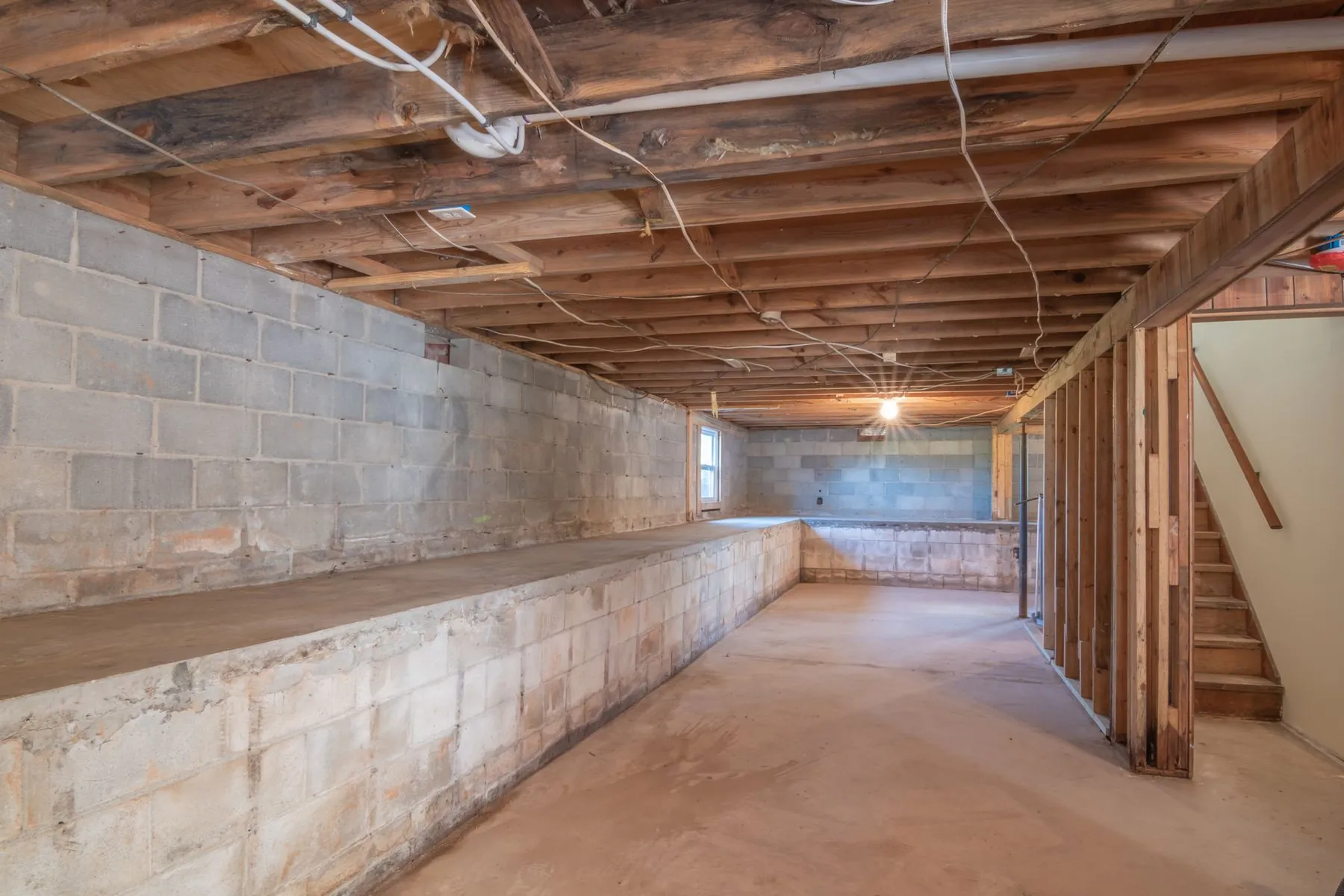
Why does the basement leak after heavy rain or a thaw?
The basement is dry all year, then a downpour or the March thaw puts water on the floor. Where it is getting in, what the City of Toronto tells homeowners to fix outside, and what to do about what is already wet inside.

Can hardwood floors be saved after water damage?
Cupped boards look ruined the morning after a leak. Often they are not. What decides whether a hardwood floor can be dried in place, and what the moisture meter has to say before anyone reaches for a sander.

Can wet carpet be saved after a leak or flood?
Three things decide it, and you can check all three from the doorway. Where the water came from, how long the carpet has been wet, and what is underneath it.





