
Sump pump failed and the basement flooded: what now?
A sump pump is quiet until the night it is not needed most. Why they stop, what to do in the first hours, and why the insurance answer lives in your endorsements, not in the main policy.
Water on the floor now? Call 647-697-7435, answered 24 hours
When a sump pump fails, the groundwater it normally pumps out keeps arriving. The pit fills, overflows, and the water spreads across the basement floor. Stay out of it until the power is safe, photograph everything, call your insurer, then get the water extracted and the basement properly dried. Whether you are covered depends on your endorsements.
The City of Toronto lists sump pump failure as one cause of basement flooding, because the pump is what removes the water collected by the foundation drain (weeping tile). When the pump stops, that drain has nowhere to send it.
Why did the sump pump fail?
Most sump pumps stop for one of four reasons: the power went out, the float switch stuck, the pump or its intake clogged, or more water arrived than the pump could move. Knowing which one it was matters for the next storm and for the conversation with your insurer.
| Cause | What you usually see | What it means |
|---|---|---|
| Power outage | The storm knocked the power out, the pump sat silent | No backup power. The pump may be fine |
| Stuck float | Power is on, pit is full, pump does not start | The float is jammed against the pit wall or the cord is tangled |
| Clog or frozen line | Pump hums or runs but the pit does not drop | Debris in the intake, or a blocked or frozen discharge pipe |
| Overload | Pump runs flat out and still loses | Heavy rain or a thaw delivered more water than it can lift |
| Worn out | Nothing at all, power is fine | Motor or switch failure, the pump needs replacing |
Do not work on the pump while it is sitting in water and plugged in. A plumber can tell you what failed once the basement is safe.
What do you do in the first hours?
Make the basement electrically safe before anything else, then record the damage, then start removing water. The order matters because water and a basement full of outlets, a furnace and a freezer do not mix.
- Stay off the wet floor until the power is dealt with. The Electrical Safety Authority says not to enter a basement where water has reached the outlets, baseboard heaters, furnace or panel until the local utility has disconnected the power. The City of Toronto's advice is the same: contact Toronto Hydro.
- Smell gas? Leave. The City notes that water can put out the pilot lights on gas appliances. Call the gas company from outside.
- Report it. The City asks residents to report basement flooding through 311.
- Photograph before you touch anything. The water line on the walls, the pit, the pump, the stairs, every damaged item. Keep receipts for anything you pay for during the emergency.
- Call your insurer early. Ask what the policy needs from you before anything is thrown away.
- Get the standing water out. Small amounts on bare concrete, a wet-dry vac will do. Anything on finished flooring needs extraction equipment.
- Start drying the same day. Health Canada says a house and its furnishings are less likely to grow mould if they are dried within 48 hours.
Sump water is groundwater that has come through soil and the foundation drain. It is not sewage, but it is not tap water either, and it picks up whatever is on the basement floor. Treat it with gloves and boots.
When does a sump pump flood need professional drying?
As soon as the water has touched anything that absorbs it. Bare concrete dries. Carpet underlay, the bottom of drywall, baseboards, the space under a floating floor and the stair stringers do not dry with a fan, because the water is inside them, not on them.
If the water has reached drywall, carpet or a finished floor, a vacuum and fans will not get it out of the wall cavity or the underlay. Call before anything is thrown out, so the damage is documented first. A dumpster full of wet carpet proves you had a flood. It does not prove how much was damaged, and photographs plus moisture readings do.
What we do on a sump pump flood:
- Extract standing water from the floor, carpet and underlay.
- Take moisture readings on the walls and floor to map how far the water went.
- Lift or remove what is trapping water, usually baseboards, underlay and sometimes the bottom of the drywall.
- Run dehumidifiers and air movers until the readings show the structure is dry.
- Document all of it for your insurance claim.
Whether the carpet itself can stay depends on the water and how long it sat. Can wet carpet be saved covers that decision.
Is a sump pump failure covered by home insurance?
Usually only if you bought the right add-on. A standard Ontario home policy is built around sudden escapes of water from plumbing and appliances; water coming up from the ground or out of the drain system is normally an optional endorsement.
The Insurance Bureau of Canada's coverage guide lists sewer backup and overland flooding as optional coverages, and in its condo section it describes sewer backup cover as applying after a backup of sewers and drains or a sump pump failure. IBC's flooding and insurance page adds that groundwater and seepage cover are typically not standard across home policies, and that some insurers offer them as optional endorsements. It also says to keep all receipts related to clean-up.
So the question to put to your insurer is specific: does my policy have sewer backup, sump pump, groundwater or overland water cover, and which one applies here? A power outage, a failed pump and a storm that overwhelmed a working pump can be treated differently. We are not adjusters, and does home insurance cover water damage in Ontario goes through the usual distinctions.
How do you stop it happening again?
Keep the pump maintained, give it backup power, and reduce the water reaching the pit in the first place. The City of Toronto's prevention page says to have a City-licensed plumber install a properly sized sump pump, to keep it working during storms and power outages, to maintain it regularly, and to consider a back-up power source.
The same page says to clear eavestroughs and downspouts, make sure disconnected downspouts drain properly (ideally two metres from the foundation walls, according to the City) and keep the grading sloping away from the house. Less water at the foundation means less water in the pit.
The City's Basement Flooding Protection Subsidy Program pays part of the invoiced cost of an eligible sump pump, and for newer work a battery backup, for owners of eligible homes. Conditions include disconnected downspouts and a contractor with a City of Toronto business licence.
What to do now
If the basement is wet now, call AllCleaner's emergency line on 647-697-7435. It is answered 24 hours. We extract the water, dry the structure and document the damage for your insurer, and the price is confirmed before work starts. The general order of a basement flood is in flooded basement: what to do, and the service itself is water damage cleaning and restoration, including in North York.

Short answers.
- Can I run a wet-dry vac on the water myself?
- On bare concrete, with the power to the area made safe and a shallow depth of water, yes. A shop vacuum is the right tool for a puddle. It does not reach the water already in carpet underlay, drywall or the gap under a floating floor, and that is the part that causes mould later.
- What should I check on the sump pump before the next storm?
- Pour water into the pit until the float rises and confirm the pump starts, empties the pit and stops. Check the discharge pipe outside is not frozen, blocked or draining back against the wall, and that the pump is plugged into a working outlet. The City of Toronto suggests considering a back-up power source.
- Does the City of Toronto subsidy include a battery backup for the sump pump?
- For work completed on or after 12 November 2025, the City's Basement Flooding Protection Subsidy Program lists a battery backup for a sump pump as an additional eligible item, itemized separately on the contractor's invoice. Eligibility rules apply, so check the program page before booking the work.
Filed under Water damage. More in the blog.
Keep reading
More on water damage, and close to it.
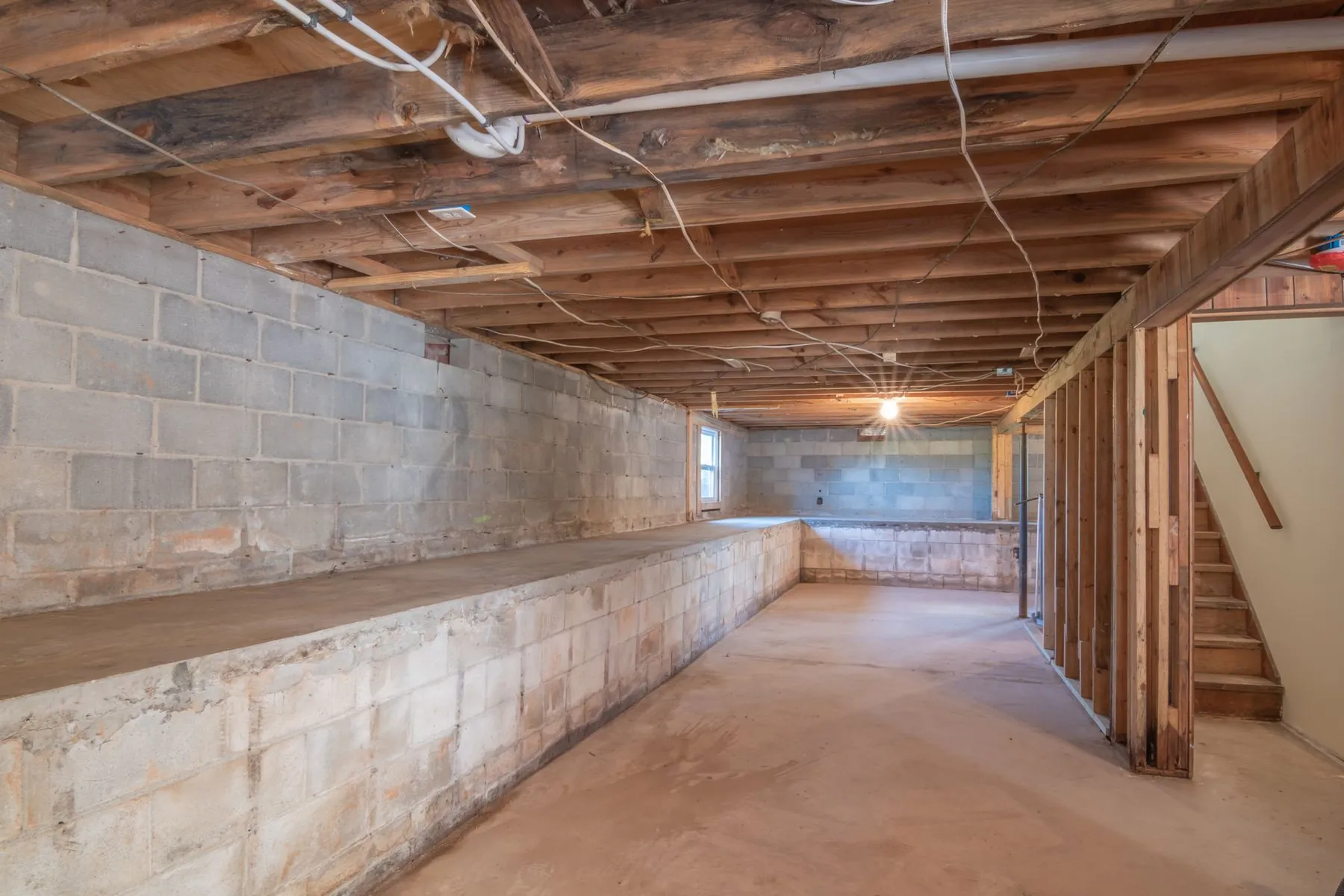
Why does the basement leak after heavy rain or a thaw?
The basement is dry all year, then a downpour or the March thaw puts water on the floor. Where it is getting in, what the City of Toronto tells homeowners to fix outside, and what to do about what is already wet inside.

Can hardwood floors be saved after water damage?
Cupped boards look ruined the morning after a leak. Often they are not. What decides whether a hardwood floor can be dried in place, and what the moisture meter has to say before anyone reaches for a sander.
Can wet carpet be saved after a leak or flood?
Three things decide it, and you can check all three from the doorway. Where the water came from, how long the carpet has been wet, and what is underneath it.





