
Can you choose your own restoration company for an insurance claim?
The insurer has suggested a company, and you already have one in mind, or none at all. What the Insurance Bureau of Canada says about using a contractor of your choice, and the questions worth asking whichever company you call.
Water on the floor now? Call 647-697-7435, answered 24 hours
Usually, yes. The Insurance Bureau of Canada says you can use a contractor or supplier of your choice for repairs, and that you pay any difference above the insurer's estimate. Your policy wording decides the details, so tell your adjuster in writing which company you want before work starts. Then ask any company the same questions.
This is general information, not insurance or legal advice. Your own policy and your insurer are what decide a particular claim.
Do you have to use the insurer's contractor?
Generally not, but read your policy and ask your insurer. The insurer's list is a suggestion you can take or leave, with one cost consequence to understand.
The Insurance Bureau of Canada's guide to filing a home insurance claim says, in plain terms, that you can use a contractor or supplier of your choice to do any repairs. It adds that if their price is higher than your insurer's estimate, you would be responsible for the difference. That is the whole rule as the IBC states it. We could not find an Ontario statute or regulator page that says more on this, so treat your policy wording as the final word and your insurer as the person to confirm it with.
The IBC sentence is about repairs. Water damage usually has an earlier stage, the emergency extraction and drying, sometimes called mitigation, which happens in the first hours and days. The same guide says your policy requires you to act to limit further damage. In practice that means you may need someone on site before the adjuster has visited. Tell your insurer who you have called, and when, at the first opportunity.
What the choice looks like in practice:
| Insurer's suggested company | A company you choose | |
|---|---|---|
| How you find them | The insurer gives you a name | You call who you trust or who answers |
| Price | Ask the insurer and the company how it is set and who is billed | Quoted to you. The IBC says you pay any difference above the insurer's estimate |
| Who gets the records | Ask whether they go to you, the insurer or both | You, and your adjuster when you pass the file on |
| What to do first | Confirm the scope with them in writing | Tell your adjuster, in writing, before work starts |
Neither column is wrong. Plenty of people take the insurer's suggestion and have no trouble. The point is to know it is a choice, and to make it before the work starts rather than after.
The difference between the emergency stage and the rebuild is in water mitigation vs restoration, and what is usually covered in the first place is in does home insurance cover water damage in Ontario.
What should you ask any restoration company?
Ask how they find the water, how they prove it is gone, and how they set the price. A company that can answer all three clearly on the phone will usually do the job clearly too.
- Do you photograph before you touch anything? The evidence of how bad it was disappears as the room dries. Photographs should come first.
- How do you find water you cannot see? The answer should involve a moisture meter, and walls, floors and cavities, not just the visible puddle.
- How do you know when it is dry? Ask whether readings are taken on each visit and written down, and what "dry" is measured against.
- What will you remove, and why? Wet underlay and the bottom of drywall are common removals. Ask that each removal be explained and recorded.
- Will I get the file? Photographs, readings and an itemised list of work, in a form you can give your adjuster.
- How is the price set, and when will I know it? Ask whether it will be confirmed before work starts.
- Are your people insured and background-checked? They will be in your home, sometimes for days.
- What standard do you work to? The IICRC publishes the S500 standard for professional water damage restoration, which it says describes the procedures to be followed and the precautions to be taken. Ask a company how its work relates to it.
Red flags
- Pressure to sign before anyone has looked at the damage.
- No mention of measuring moisture, only of running fans.
- A promise that your claim will be paid. Nobody but your insurer can say that.
- Reluctance to put the price or the scope in writing.
What paperwork should you get either way?
Get the scope and price in writing before work starts, and the photographs, readings and itemised work list when it ends. Those documents are what your claim is assessed on.
- Before work starts: a written work authorisation that says what is being done, how the price is set, and who is billed. Read it before you sign.
- During the job: photographs from before anything was moved, and moisture readings from each visit.
- At the end: the full set of readings showing the materials reached dry, an itemised list of what was removed and why, and the invoice.
- For the insurer: a copy of all of the above. The IBC guide says to keep all receipts related to cleanup.
The order for the whole claim, from the first photograph to the proof of loss, is in our water damage insurance claim checklist.
Asking AllCleaner the same questions
Ask us exactly what you would ask anyone, and hold us to the answers. We photograph the damage before anything is moved. We take moisture readings across walls, subfloor and cavities and log them on each visit until the materials reach target. We record what is removed and why, and the whole file goes to you, for your adjuster. Our people are insured and background-checked, and all equipment is supplied.
What we will not do is tell you whether your claim will be paid. That is between you, your policy and your insurer.
If water is in the house now, the choice can be made in one phone call. Call 647-697-7435. The emergency line is answered 24 hours, and the price is confirmed before work starts. See emergency cleaning and restoration or water damage cleaning and restoration, or request a free quote.

Short answers.
- Will the insurer still pay if I use my own restoration company?
- It depends on your policy and the claim. The Insurance Bureau of Canada says you can use a contractor or supplier of your choice for repairs, and that if their price is higher than the insurer's estimate you would be responsible for the difference. Tell your adjuster in writing which company you are using before work starts.
- Who signs the work authorisation?
- Usually the property owner, or someone with the owner's authority, because it is the owner's property and the owner's contract. Read it before you sign: it should say what work is authorised, how the price is set, and who is billed. In a rental, the landlord normally signs for the building.
- Can I switch restoration companies part way through?
- You can ask to, but check the contract you signed and tell your insurer first. Get the first company's photographs, moisture readings and a written list of the work done to date, so the second company and your adjuster can see what has already happened. Without that record, a handover is guesswork.
Filed under Water damage. More in the blog.
Keep reading
More on water damage, and close to it.
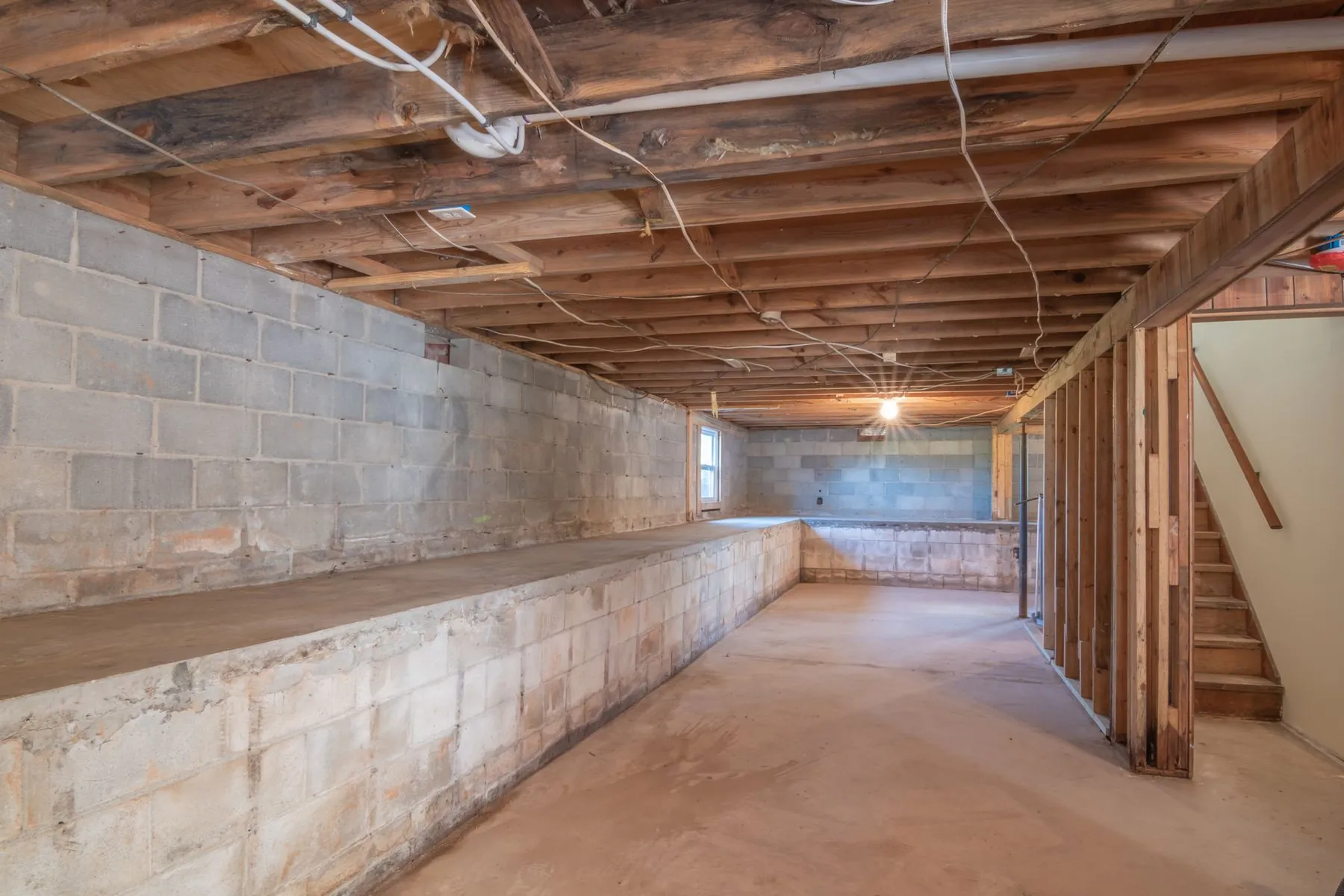
Why does the basement leak after heavy rain or a thaw?
The basement is dry all year, then a downpour or the March thaw puts water on the floor. Where it is getting in, what the City of Toronto tells homeowners to fix outside, and what to do about what is already wet inside.

Can hardwood floors be saved after water damage?
Cupped boards look ruined the morning after a leak. Often they are not. What decides whether a hardwood floor can be dried in place, and what the moisture meter has to say before anyone reaches for a sander.
Can wet carpet be saved after a leak or flood?
Three things decide it, and you can check all three from the doorway. Where the water came from, how long the carpet has been wet, and what is underneath it.





