
Water damage insurance claim: what to document, in order
The claim is decided on the record, and most of the record has to be made before the room is dry. A checklist in the order the work actually happens, from the first phone call to the proof of loss.
Water on the floor now? Call 647-697-7435, answered 24 hours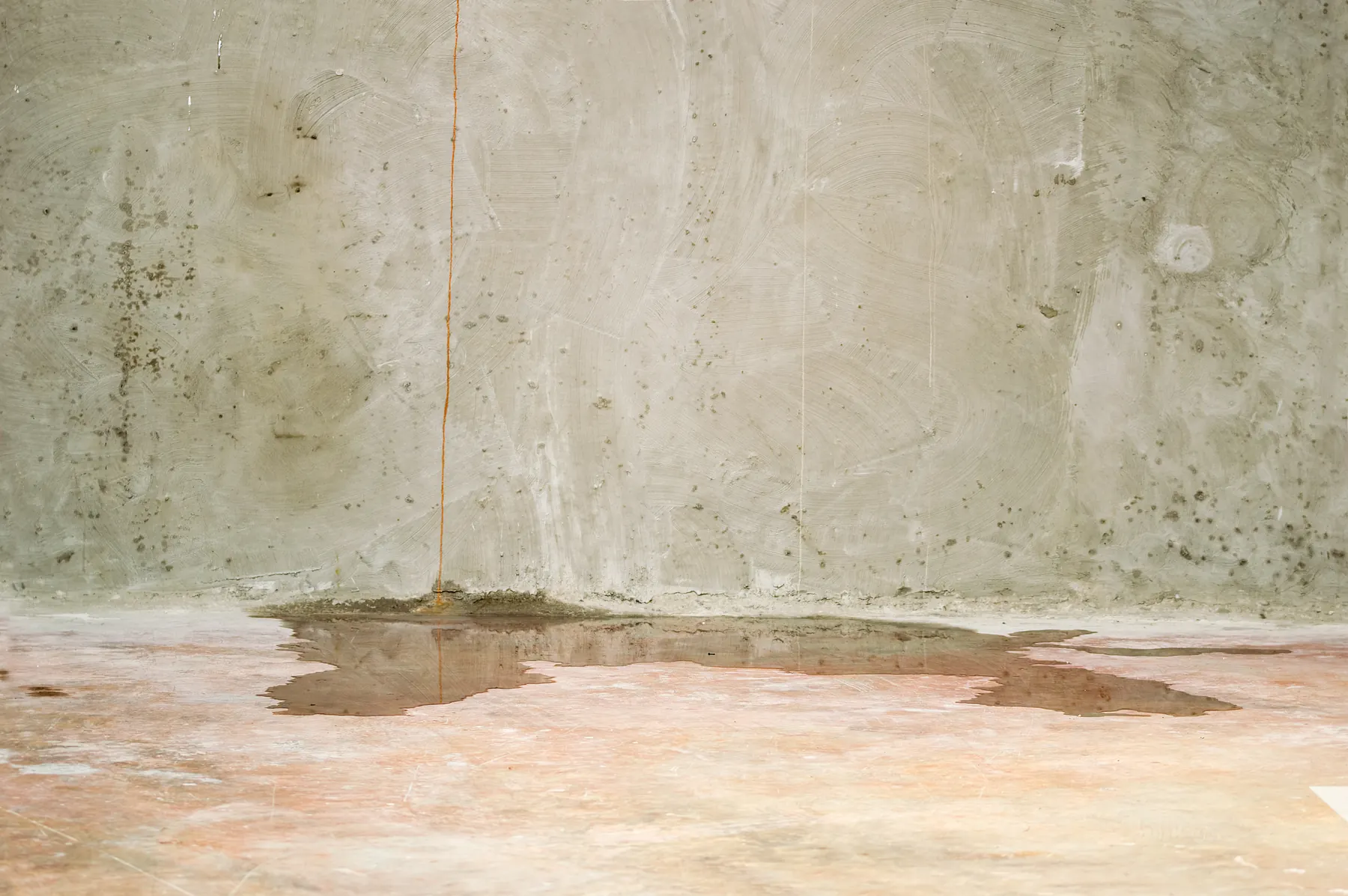
Report the loss to your insurer or broker as soon as you find it, then build the record before anything moves: wide and close photographs, video, the source of the water, a list of what is damaged, and every receipt. Limit further damage, keep what you remove until the insurer agrees, and ask for moisture readings in writing.
This is general information, not insurance or legal advice. Your policy wording and your insurer decide what is covered and what they need from you.
What should you do before you call the insurer?
Make the place safe and stop the water, then take your first photographs. Those three things take minutes, and nothing on the call will go better without them.
- Stop the source. Close the main water valve or the fixture valve. If water is near outlets, a panel or a light fitting, do not walk through it to reach the breaker. Call the utility or an electrician.
- Photograph the room as you found it. Before you lift a single box, take a wide shot from each doorway, then close shots of the water line on walls and furniture legs, and of the source itself: the split hose, the failed tank, the floor drain. Take a short video walking through. Your phone records the time.
- Write down the timeline. When you noticed it, what you saw, what you did and when. The words "sudden and accidental" appear in many policies, and a timeline written on the day is better than one rebuilt a week later.
- Then call. Have the policy number ready, and ask for a claim number before you hang up.
The Insurance Bureau of Canada's guide to filing a home insurance claim says you must report a claim to your insurance representative and provide complete, accurate details as soon as possible. It also says your policy requires you to act to limit any further damage. That second duty is why you should not leave a basement standing in water for days while you wait for a visit. Ask the insurer, on that first call, what they expect you to do in the meantime, and write the answer down with the name of the person who gave it.
What should the claim record contain?
A complete record covers four things: what happened, what was damaged, what was done about it, and what it cost. Build it as you go, not at the end.
| Part of the record | What goes in it | Why it matters |
|---|---|---|
| The cause | Photos and video of the source, the failed part kept if you can, a plumber's note if one attended | Coverage often turns on where the water came from |
| The extent | Wide and close photos of every wet room, the water line, ceilings below, contents | Shows the damage before drying changes how it looks |
| The contents list | Each damaged item, roughly when it was bought, receipts or bank records where you have them | The IBC says to make a complete list of damaged items and gather proofs of purchase |
| The work | Moisture readings, what was removed and why, the drying equipment used and for how long | Proves the drying was needed and that it worked |
| The costs | Every receipt for clean-up, emergency repairs, hotel or meals if you had to leave | The IBC says to keep all receipts related to cleanup and for additional living expenses |
| The conversations | Dates, names and what was agreed, on every call | Stops "nobody told me that" later |
Two items on that list trip people up.
Damaged property. The IBC says to keep damaged items unless they are dangerous or pose a health hazard, and to confirm with your insurer before disposing of damaged property. Wet carpet and underlay are the usual test. They are heavy, they smell, and they are often a hazard after a sewer backup. If they have to go, photograph them first, cut and bag a small sample, and note who agreed to the disposal and when.
Readings, not impressions. A photo shows a stain. It does not show how wet the bottom of the drywall is, or the subfloor under a dry-looking floor. A moisture meter does. Ask for readings at the start, on each visit and at the end, in writing, with where each one was taken.
That second item is where a restoration company earns its place in a claim. AllCleaner photographs the damage before anything is moved, takes moisture readings across walls, floors and cavities, logs them on each visit, and gives you the whole file, including what was removed and why. That record can only be made if we see the damage before it is dried. Once the room is dry, the evidence of how wet it was has gone with the water.
What happens after the adjuster visits?
The adjuster works out what happened and how much of it the policy covers, and then your insurer may ask you for a proof of loss. Everything before this point was about making that step easy.
The IBC's guide describes the sequence in three steps: document everything, contact your insurance representative, and file a proof of loss if requested. It says a claims specialist or adjuster, paid by your insurance company, will contact you to investigate the loss, examine documentation and explain the next steps.
The proof of loss
The IBC says your insurer will likely ask for a proof of loss form, which lists the damaged or lost property and its estimated value, and that you must sign and swear the statements are true. It warns that untrue statements can void your insurance. Treat it as a sworn document, because it is one.
On timing: the IBC's national guide gives a typical deadline, but we could not confirm the current Ontario wording from an official source when we wrote this, so we will not quote a number. Ask your insurer for the deadline in writing when the form arrives, and return it by the deadline your insurer gives you. If you cannot meet it because the list is not finished, tell them in writing before it passes.
If you disagree
The same IBC guide says that if your claim is denied you have a right to know why, and that you can ask to speak with the company's claims manager. Ask for the reason in writing, and quote the policy wording it relies on. If that does not resolve it, the General Insurance OmbudService offers free, impartial help with home insurance disputes. A complete record from the first day is what any of those conversations will be decided on.
Choosing who does the work
Your insurer may suggest a contractor. The IBC's guide says you can use a contractor or supplier of your choice to do any repairs, and that if their price is higher than the insurer's estimate, you would be responsible for the difference. Check your own policy wording. There is more on this in choosing a water damage restoration company.
A one-page checklist
- Stop the water. Make the electrics safe.
- Photograph and video everything as found, including the source.
- Write the timeline: found, seen, done, when.
- Report the claim. Get a claim number. Ask what to do to limit damage.
- Start extraction and drying. Ask for moisture readings in writing.
- Keep damaged items, or photograph and sample them before disposal, with the insurer's agreement.
- List every damaged item with what you know about its age and cost.
- Keep every receipt, including hotel and meals if you had to move out.
- Log every call: date, name, what was agreed.
- Complete the proof of loss by the deadline your insurer gives you.
What is usually covered, and what is an optional extra, is in does home insurance cover water damage in Ontario. Why the drying stage matters to the bill is in water mitigation vs restoration, and the storm version of all of this is in sewer backup cleanup in Toronto. For how we deal with insurers generally, see do you work with insurance.
If the water is still in the room, call 647-697-7435. The line is answered 24 hours. We photograph first, then extract and dry, and you get the photographs, readings and itemised scope for your claim. See water damage cleaning and restoration. The price is confirmed before work starts, so request a free quote and you will know where you stand before anything is lifted.

Short answers.
- Can I throw out wet carpet before the adjuster sees it?
- Ask your insurer first. The Insurance Bureau of Canada says to keep damaged items unless they are dangerous or pose a health hazard, and to confirm with your insurer before disposing of damaged property. If something has to go for safety, photograph it, keep a cut sample if you can, and note who agreed to it.
- What is a proof of loss form?
- It is the form your insurer may ask you to complete, listing what was damaged or lost and its estimated value. The Insurance Bureau of Canada says you must sign and swear that the statements are true, and that untrue statements can void your insurance. Return it by the deadline your insurer gives you.
- Can I get a copy of the drying records for my claim?
- Ask for them before the work starts. A restoration company that takes moisture readings can give you the photographs, the readings from each visit and an itemised list of what was removed and why. AllCleaner hands that file to you, and you can pass it to your adjuster.
Filed under Water damage. More in the blog.
Keep reading
More on water damage, and close to it.
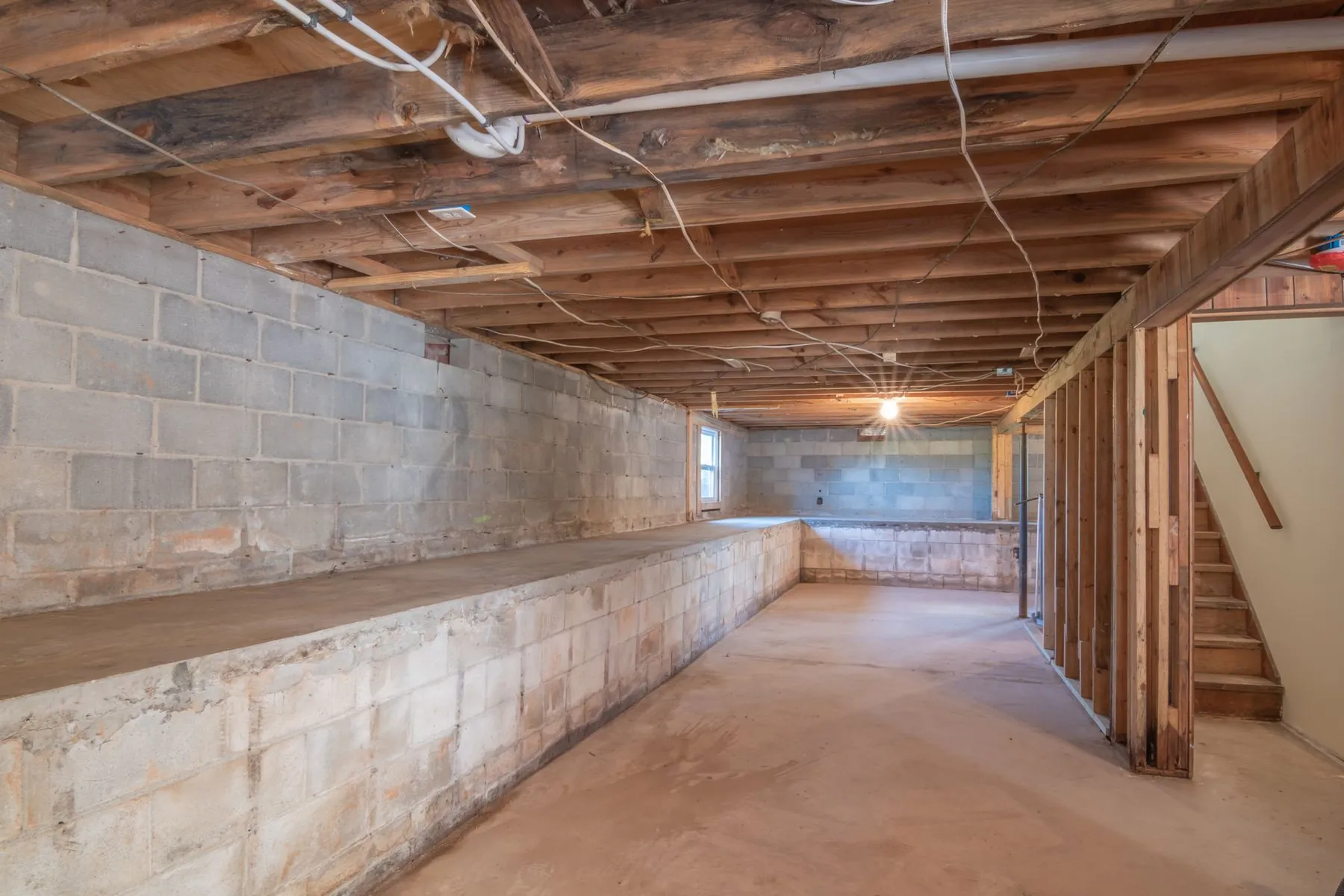
Why does the basement leak after heavy rain or a thaw?
The basement is dry all year, then a downpour or the March thaw puts water on the floor. Where it is getting in, what the City of Toronto tells homeowners to fix outside, and what to do about what is already wet inside.

Can hardwood floors be saved after water damage?
Cupped boards look ruined the morning after a leak. Often they are not. What decides whether a hardwood floor can be dried in place, and what the moisture meter has to say before anyone reaches for a sander.
Can wet carpet be saved after a leak or flood?
Three things decide it, and you can check all three from the doorway. Where the water came from, how long the carpet has been wet, and what is underneath it.





