
Water damage in a rental: who pays, landlord or tenant?
A pipe lets go in a rented unit, and two people now have a problem with different edges. What the Landlord and Tenant Board says each side owes, which policy answers for which loss, and what both should do before anyone argues.
Water on the floor now? Call 647-697-7435, answered 24 hours
In Ontario the landlord must keep a rental in a good state of repair, so a leak from a failed pipe, roof or appliance the landlord supplied is the landlord's to fix. The landlord's policy covers the building, not the tenant's belongings, which need tenant insurance. A tenant who causes damage, even by carelessness, can be held responsible for it.
This is general information, not legal or insurance advice. The Residential Tenancies Act, the Landlord and Tenant Board and your own policies decide each case.
What does the Residential Tenancies Act say about repairs?
The landlord repairs the building, and the tenant pays for damage the tenant causes. The Landlord and Tenant Board puts both rules in plain words.
The Board's guide to the Residential Tenancies Act, last updated in July 2026, says a landlord has to keep the rental property in a good state of repair and must obey all health, safety, housing and maintenance standards. It adds that this is true even if the tenant was aware of the problems when they agreed to rent the unit. The Board's maintenance and repairs brochure goes further: these obligations apply to all rental agreements, even when the agreement is not in writing or its terms conflict with the Act.
On the tenant's side, the guide says a tenant must repair or pay for the repair of any damage caused by the tenant, the tenant's guest or another person who lives in the unit. It does not matter whether the damage was done on purpose or by not being careful enough. The tenant is not responsible for normal wear and tear.
Applied to water, that usually sorts out like this. The table is an illustration of those two rules, not a ruling. The Board decides real cases.
| Where the water came from | Usually whose repair | Why |
|---|---|---|
| A supply pipe, drain or water heater that failed with age | Landlord | Keeping the property in good repair |
| A roof, window or foundation letting water in | Landlord | Same duty, and building standards apply |
| An appliance the landlord supplied that failed | Landlord | Part of the rental property |
| A bath left running, or a tenant's own washer hose not connected properly | Tenant | Damage caused by the tenant, even by carelessness |
| A guest who blocked and overflowed the toilet | Tenant | The guide includes the tenant's guests |
| Water from a unit above in the same building | Depends who caused it | Ask the landlord to investigate |
If the landlord does not fix it
The maintenance brochure says the first thing a tenant should do is ask the landlord, in writing, to fix the problem, and keep a copy. If it is not fixed within a reasonable time, the tenant can report it to the municipality, apply to the Board using Form T6, Tenant Application about Maintenance, or both. The brochure also says a tenant should not withhold rent. The July 2026 guide repeats that a tenant could be evicted for withholding rent without the Board's approval.
If the tenant caused it
The guide says a landlord can apply to the Board if the tenant has not repaired damage, and that the Board can order the tenant to pay the cost of repairing it. That application is decided on evidence. Which brings us to the record.
Whose insurance pays for what?
The landlord's policy is for the landlord's property. The tenant's belongings need the tenant's own policy. That split surprises a lot of tenants after a flood.
The Insurance Bureau of Canada says, in its article on renting out a room, that a homeowner's policy only covers property, contents and personal liability for the owner, their spouse and dependants, and does not include a tenant's contents or personal liability. Its guide to types of coverage says tenant's insurance covers your possessions in your apartment, that personal liability insurance is typically a condition in a lease, and that tenant insurance includes additional living expense cover, subject to limits.
What none of this settles is whether the water itself is covered. The IBC's coverage guide treats sewer backup and overland water as optional add-ons for homeowners, and the same question applies to a tenant's policy. A basement apartment that floods in a storm can leave a landlord and a tenant both discovering that neither bought that cover.
For landlords there is one more point. The IBC's room-rental article warns that failing to tell your insurer about a tenant can void your home insurance. If the basement is rented, the insurer should know before the pipe bursts, not after.
The bigger picture on what home policies cover is in does home insurance cover water damage in Ontario. If the rental is a condo unit, the corporation's documents add a third party; see condo leak from the unit above: who pays.
What should tenant and landlord each do in the first day?
Both should do the same first thing: stop the water and record it. After that, their jobs split.
The tenant
- Stop or contain the water if you safely can: the fixture valve, the main valve, towels, buckets. Keep away from water near outlets.
- Tell the landlord at once, then in writing. A text or email with the time creates the record that a phone call does not.
- Photograph everything, including your own belongings, before you move them.
- Call your own insurer about your contents, even if the landlord is handling the building.
- Move what you can to a dry room, and keep damaged items unless they are a health hazard, until your insurer says otherwise.
The landlord
- Get the source stopped and made safe, with a plumber if needed.
- Give proper notice to enter unless it is an emergency. The guide says a landlord can enter without written notice in an emergency such as a fire, and with 24 hours' written notice, between 8 a.m. and 8 p.m., to make repairs or do work in the unit.
- Report it to your insurer and ask what they need before work starts.
- Start extraction and drying. Wet underlay and drywall in a basement apartment do not wait for the question of fault to be settled.
- Keep the cause. The split hose, the corroded fitting, the plumber's written note. If you later say the tenant caused it, that is the evidence.
This is the point where a mop and a fan stop being the answer. Water under carpet, in the underlay and at the foot of drywall is out of reach of household tools, and it is also where the argument about responsibility gets decided. For landlords, one call to AllCleaner covers extraction, drying and a written record of the cause and the damage: photographs before anything moves, moisture readings on each visit, and an itemised list of what was removed and why. If responsibility is disputed later, that file is what you take to your insurer or to the Board.
Who calls is up to whoever is paying, and in a rental that is usually the landlord. A tenant can still call us for advice on what to do in the meantime.
The short version
- The landlord repairs the building and its systems, whatever the lease says.
- The tenant pays for damage the tenant, a guest or another occupant causes.
- The landlord's insurance does not cover the tenant's belongings.
- Both sides should photograph first and put everything in writing.
- The Board decides disputes, on evidence.
Landlords with more than one unit will find the service side in cleaning for landlords and property managers.
If a rental is wet now, call 647-697-7435. The line is answered 24 hours. We extract, dry and document the job for your claim, and the price is confirmed before work starts. See water damage cleaning and restoration, or request a free quote.
Short answers.
- Does a tenant have to report a leak straight away?
- The Landlord and Tenant Board's guide does not set a reporting deadline, but it says a tenant must pay for damage they cause, whether on purpose or by not being careful enough. Reporting a leak at once, and in writing, protects the tenant and lets the landlord limit the damage. The Board decides any dispute.
- Can the landlord enter to dry the unit?
- The Landlord and Tenant Board's guide says a landlord can enter without written notice in an emergency such as a fire, and can enter between 8 a.m. and 8 p.m. with 24 hours' written notice to make repairs or do work in the unit. Whether a particular leak is an emergency depends on the facts.
- Does tenant insurance cover a flood in a basement apartment?
- It depends on the policy and the cause. The Insurance Bureau of Canada says tenant's insurance covers your possessions, and that a homeowner's policy does not include a tenant's contents. Water from a sewer backup or from outside is often optional cover, so ask your insurer what yours includes before you need it.
Filed under Landlords and business. More in the blog.
Keep reading
More on landlords and business, and close to it.

What do GTA landlords and property managers need from a cleaner?
A rental needs the same few jobs again and again, usually on short notice and always between two dates that do not move. What those jobs are, what the Landlord and Tenant Board says about the paperwork, and how to brief a cleaner so the unit is ready.
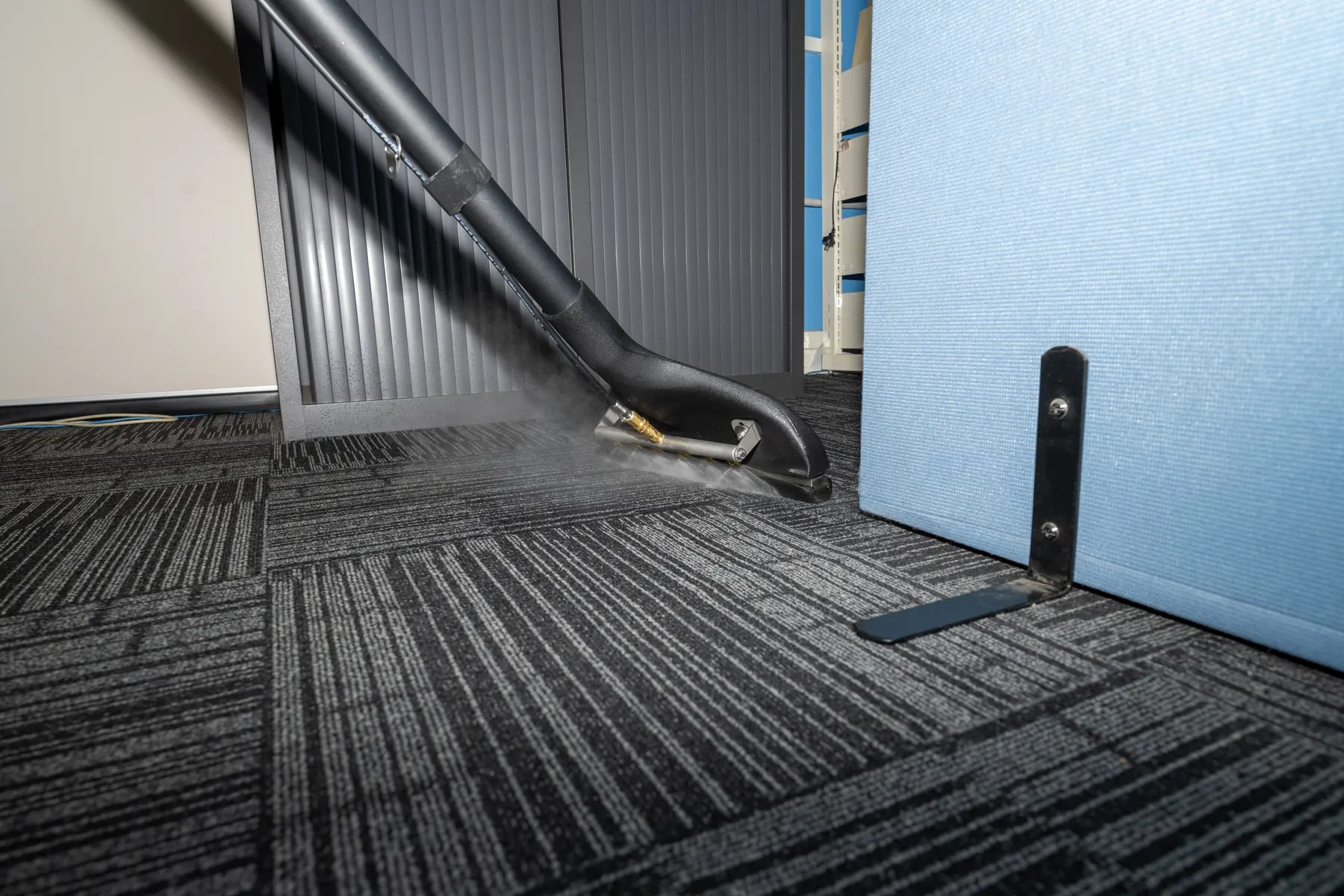
How often should office carpet be cleaned?
The answer is different for the lobby and the boardroom, and a single date in the calendar for the whole floor wastes money in one and ruins carpet in the other.
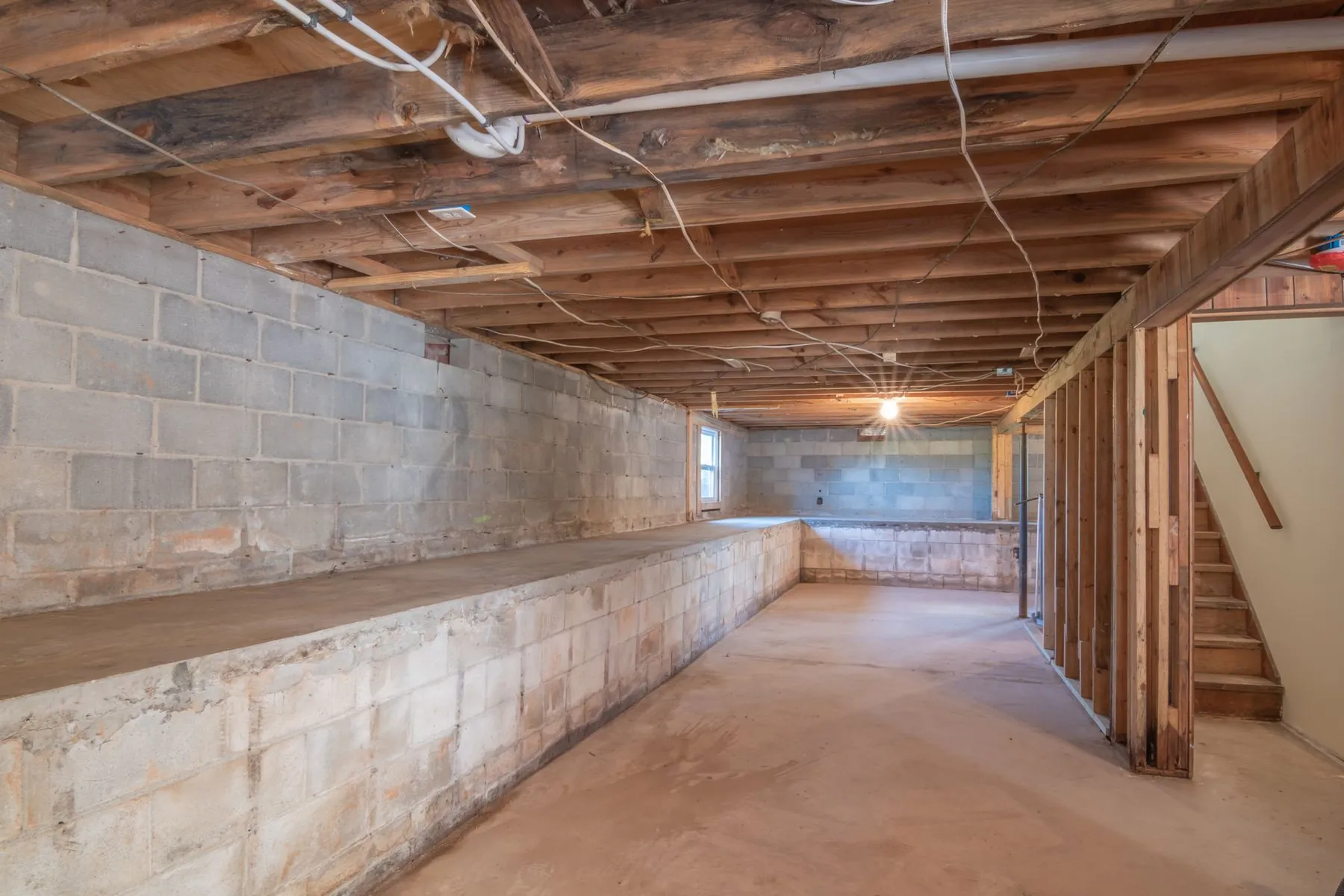
Why does the basement leak after heavy rain or a thaw?
The basement is dry all year, then a downpour or the March thaw puts water on the floor. Where it is getting in, what the City of Toronto tells homeowners to fix outside, and what to do about what is already wet inside.






